The Hidden Mistake That’s Costing Companies Millions in B2B Lead Generation Services
 Purva Wankhade,
2 months ago
4 min read
Purva Wankhade,
2 months ago
4 min read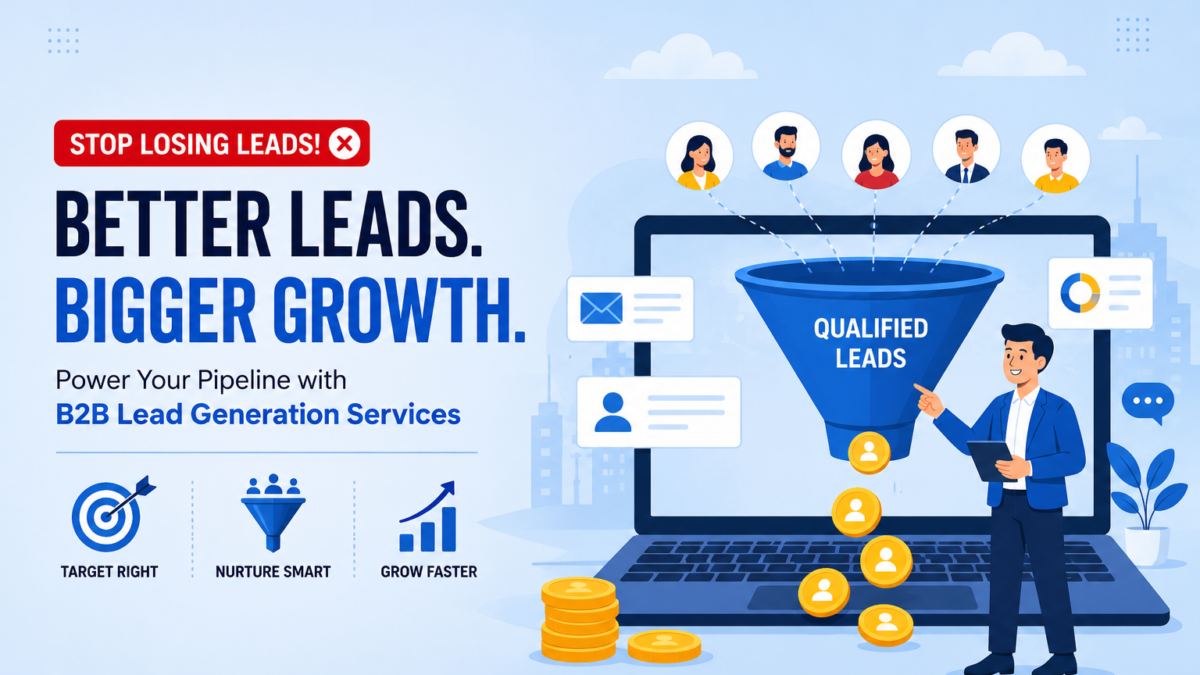
For years, businesses believed that generating more leads automatically meant generating more revenue. Marketing teams celebrated growing databases, higher website traffic, and thousands of form submissions. Yet, many sales teams continued asking the same frustrating question: “Where are the qualified buyers?”
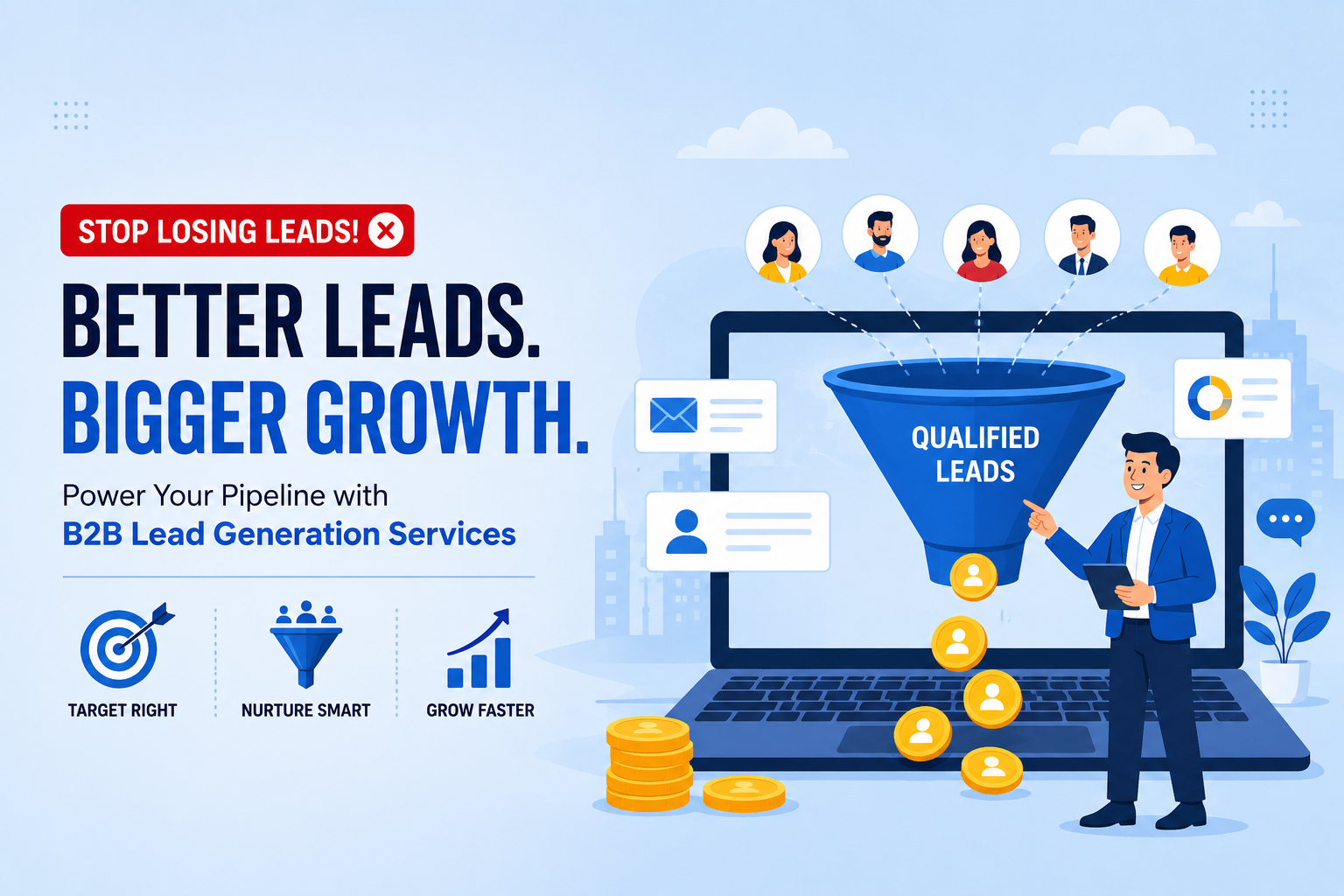
The answer lies in a fundamental shift happening across the B2B landscape. B2B Lead Generation Services are no longer about collecting as many contacts as possible. They’re about identifying genuine buying intent, nurturing trust, and delivering meaningful conversations that convert into long-term business relationships.
As technology evolves and buyers become more informed, organizations that continue relying on outdated lead generation strategies risk falling behind competitors that prioritize quality over quantity.
Why B2B Lead Generation Services Are Entering a New Era
Today’s enterprise buyers complete a significant portion of their purchasing journey before speaking to a sales representative. They research independently, compare vendors, download industry reports, attend webinars, and seek expert opinions long before requesting a product demonstration.
This behavioral change has transformed B2B Lead Generation Services. Success is no longer determined by the number of leads entering a CRM but by how effectively businesses understand buyer intent throughout the decision-making process.
Organizations that recognize this shift are investing less in aggressive outreach and more in delivering valuable educational content that builds credibility.
The Quality Trap Most Businesses Ignore
One of the biggest mistakes companies make is measuring marketing success through lead volume alone.
A database filled with unqualified contacts rarely translates into sustainable revenue. Sales teams waste valuable time chasing prospects who have little interest in purchasing, while genuinely interested buyers often receive generic follow-up messages that fail to address their unique challenges.
Modern B2B Lead Generation Services emphasize qualification from the very beginning. Instead of asking, “How many leads did we generate?” successful organizations ask, “How many meaningful opportunities did we create?”
That small shift in thinking produces significantly better outcomes.
Content Has Become the Engine Behind Better Leads
Content is no longer a supporting marketing asset, it has become the foundation of successful B2B Lead Generation Services.
Decision-makers actively search for practical insights before making major investments. Comprehensive guides, industry reports, case studies, research papers, and technical resources help businesses demonstrate expertise while answering important customer questions.
This approach builds trust naturally.
Rather than interrupting buyers with promotional messages, organizations position themselves as reliable sources of knowledge. Over time, that authority translates into stronger engagement and higher-quality sales conversations.
Professionals looking for in-depth industry research often turn to trusted knowledge platforms that publish whitepapers, market analysis, and enterprise insights, allowing buyers to make informed technology decisions before engaging with vendors.
Technology Alone Cannot Generate Trust
Artificial intelligence, marketing automation, predictive analytics, and customer relationship management platforms have dramatically improved campaign efficiency.
However, technology cannot replace authentic human understanding.
The most effective B2B Lead Generation Services combine intelligent automation with personalized communication. Automation handles repetitive processes, while experienced marketers focus on solving customer problems, addressing concerns, and creating relevant experiences.
Companies that rely entirely on automated outreach frequently discover that efficiency does not always create engagement.
People still buy from businesses they trust.
Personalization Is Becoming the Competitive Advantage
Generic email campaigns and one-size-fits-all messaging are becoming increasingly ineffective.
Today’s buyers expect communication tailored to their industry, business challenges, organizational goals, and stage within the purchasing journey.
Modern B2B Lead Generation Services use behavioral insights to personalize every interaction. Whether a prospect downloads a research report, attends a webinar, or explores product pages, each engagement provides valuable signals that help marketers deliver more relevant follow-up experiences.
The result is stronger relationships and significantly higher conversion rates.
Data Without Strategy Creates More Problems
Organizations now collect enormous amounts of customer information.
Website analytics, CRM platforms, social engagement, email performance, and advertising metrics generate thousands of data points every day.
Yet many businesses struggle to transform that information into actionable insights.
Successful B2B Lead Generation Services focus on interpreting customer behavior rather than simply accumulating data. Clean data, thoughtful analysis, and strategic decision-making consistently outperform complex dashboards filled with disconnected metrics.
Understanding why prospects engage is far more valuable than simply measuring how often they click.
The Future of B2B Lead Generation Services Starts With Trust
The future belongs to organizations that prioritize education over promotion, relationships over transactions, and trust over aggressive selling.
Businesses that consistently publish valuable insights, understand buyer intent, and personalize customer experiences will continue outperforming competitors focused solely on lead volume.
The strongestB2B Lead Generation Services will not be defined by bigger databases or more automation. They will be defined by meaningful conversations, informed decision-making, and long-term customer relationships.
As buyers become increasingly selective, organizations must remember a simple truth: generating attention is easy, but earning trust requires expertise, consistency, and genuine value. Companies that embrace this philosophy will discover that sustainable growth begins not with more leads, but with better ones.