

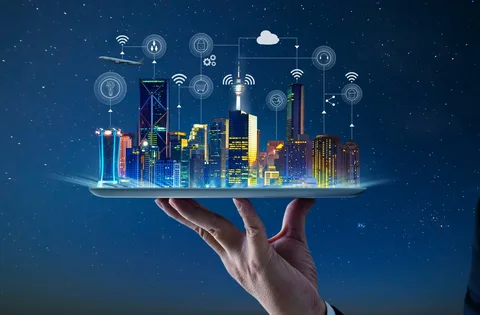
Introduction to Smart Technology in Urban Planning
Smart technology refers to advanced digital solutions that significantly enhance urban infrastructure and services. In the context of sustainable cities, these technologies offer innovative solutions that drive resource management, elevate the quality of life, and minimize environmental impact. By integrating smart technologies into urban planning, cities can significantly advance towards their sustainability goals.
The urban landscape has evolved dramatically over the years, from industrialized cities to modern, technologically integrated spaces. Innovations like the Internet of Things (IoT), smart grids, and connected infrastructure serve as pivotal components of this transformation. For instance, smart city initiatives are increasingly being recognized for their potential to reshape urban living and management. As urban populations swell, the urgency for sustainable practices grows, thereby reinforcing the need to embrace smart technology.
Technological evolution, particularly the rise of big data analytics and machine learning, plays a crucial role in shaping today’s urban environments. These technologies facilitate the collection and analysis of vast amounts of data, enabling cities to make informed decisions that improve efficiency. Combining these innovations with urban planning enables cities to adapt quickly to changes, significantly enhancing their sustainability efforts.
1. Energy Management and Efficiency
Effective energy management is one of the foremost challenges faced by sustainable cities. Smart technologies, including smart grids and smart meters, are instrumental in addressing the issues surrounding energy efficiency. The implementation of smart grids allows for optimized electricity distribution, balancing supply and demand in real-time. Through this approach, cities can maximize the use of renewable energy sources, reducing reliance on fossil fuels.
Energy analytics plays a pivotal role in leveraging big data to predict consumption patterns, enabling utilities to optimize resource allocation accordingly. Cities like Amsterdam and Singapore are leading the way with their smart energy initiatives, implementing energy-efficient technologies that significantly reduce overall consumption. For example, Amsterdam has integrated systems that facilitate energy-sharing between neighborhoods, fostering a community-centric approach to energy usage.
The key benefits of deploying smart energy solutions include a marked reduction in energy waste, enhanced grid reliability, and the integration of renewable energy sources. Cities can achieve these benefits by continuously monitoring performance metrics and adjusting operational strategies in real-time, thereby advancing towards their overarching sustainability objectives.
You may also like: Pet Services: Enhancing Care with GPT Tools
2. Waste Management Innovations
Smart technology is transforming waste management, allowing cities to handle refuse more effectively and sustainably. Innovations such as smart bins, equipped with sensors to monitor waste levels, enable municipalities to optimize collection routes based on real-time data. By analyzing these data points, waste management authorities can significantly reduce unnecessary trips and costs.
Data-driven management approaches can analyze waste generation trends, enabling cities to anticipate disposal needs accurately. For example, cities like Barcelona have implemented smart waste systems that have increased recycling rates and reduced operational costs. The deployment of smart technology in waste management not only optimizes logistics but also promotes greater awareness about sustainable practices within communities.
Notable features of smart waste management include improved resource recovery rates and lower operational costs, which contribute to environmental benefits such as reduced carbon emissions. By harnessing data analytics, cities can adopt a more sustainable approach to waste management, resulting in an overall positive impact on their urban environment.
3. Transportation and Mobility Solutions
Integrating smart technology in transportation systems is critical to fostering sustainable urban mobility. Smart traffic management systems, which implement adaptive signal control technologies, can minimize congestion and improve traffic flow. By leveraging real-time data, cities can create responsive traffic signals that adapt to changes in vehicle density, reducing wait times for commuters.
Connected vehicles, enabled by IoT technologies, enhance safety and efficiency in urban transport systems. For instance, cities like San Francisco are deploying vehicle-to-infrastructure (V2I) communications to provide real-time updates on traffic conditions, thereby enabling safer driving experiences. Moreover, shared mobility platforms, such as car-sharing and ride-hailing services, encourage cities to reduce individual car ownership, thereby alleviating congestion and reducing emissions.
The outcomes of implementing smart transportation solutions are substantial and include a reduction in greenhouse gas emissions, improved public transport accessibility, and enhanced public safety through real-time data monitoring. By forming a comprehensive transportation ecosystem that integrates smart technologies, cities can significantly enhance their sustainability agenda.
4. Water Resource Management
Sustainable cities prioritize efficient water usage and management systems, and smart technology facilitates this objective through real-time monitoring and analysis. The introduction of smart metering allows utilities to track usage patterns effectively and detect leaks immediately. This proactive approach ensures that cities can preserve water resources and respond swiftly to any irregularities in consumption.
Predictive analytics in water management provides insights into potential future water demands, enabling cities to plan infrastructure upgrades and conserve resources. For instance, smart water management technologies leveraged in cities like Los Angeles have resulted in significant reductions in water wastage while promoting sustainable water practices among residents. Such initiatives showcase how applying technology can lead to more responsible water consumption within communities.
The result of implementing smart water management systems is twofold: enhanced resource conservation and heightened public awareness regarding water usage. By embedding smart technologies into water management practices, cities can ensure that they meet current needs while laying the groundwork for future sustainability.
Conclusion
The impact of smart technology on sustainable cities is profound and multifaceted. From energy efficiency to waste management, transportation systems, and water resource management, innovative solutions enable urban centers to transition towards more sustainable practices. Through the strategic integration of smart technologies, cities can reduce their environmental impact while improving the quality of life for their residents. As urban populations continue to grow, the need for efficient and innovative solutions will only increase, making smart technology an essential component of sustainable urban development.
FAQs
1. What is smart technology in urban planning?
Smart technology refers to advanced digital solutions integrated into urban infrastructure to improve resource management, quality of life, and environmental sustainability. Examples include IoT devices, smart grids, and data analytics.
2. How does smart technology improve energy management in cities?
Smart technology enhances energy management through smart grids and meters that optimize energy distribution, predict consumption, and integrate renewable energy, thus reducing waste and enhancing efficiency.
3. What role does smart technology play in waste management?
Smart technology transforms waste management by utilizing sensors in bins for real-time data on waste levels, optimizing collection routes, and analyzing trends to predict disposal needs, ultimately improving recycling rates and reducing costs.
4. How can smart technology influence transportation solutions in urban areas?
Smart technology improves transportation through adaptive traffic management systems, connected vehicles, and shared mobility platforms, leading to reduced congestion, lower emissions, and enhanced public safety.
5. What are the benefits of implementing smart technology in water resource management?
Implementing smart technology in water management allows for real-time monitoring, leak detection, and predictive analytics for future demands, which helps reduce waste, conserve resources, and promote sustainable practices within communities.
Featured Image: Yandex


