Table of Contents
Introduction
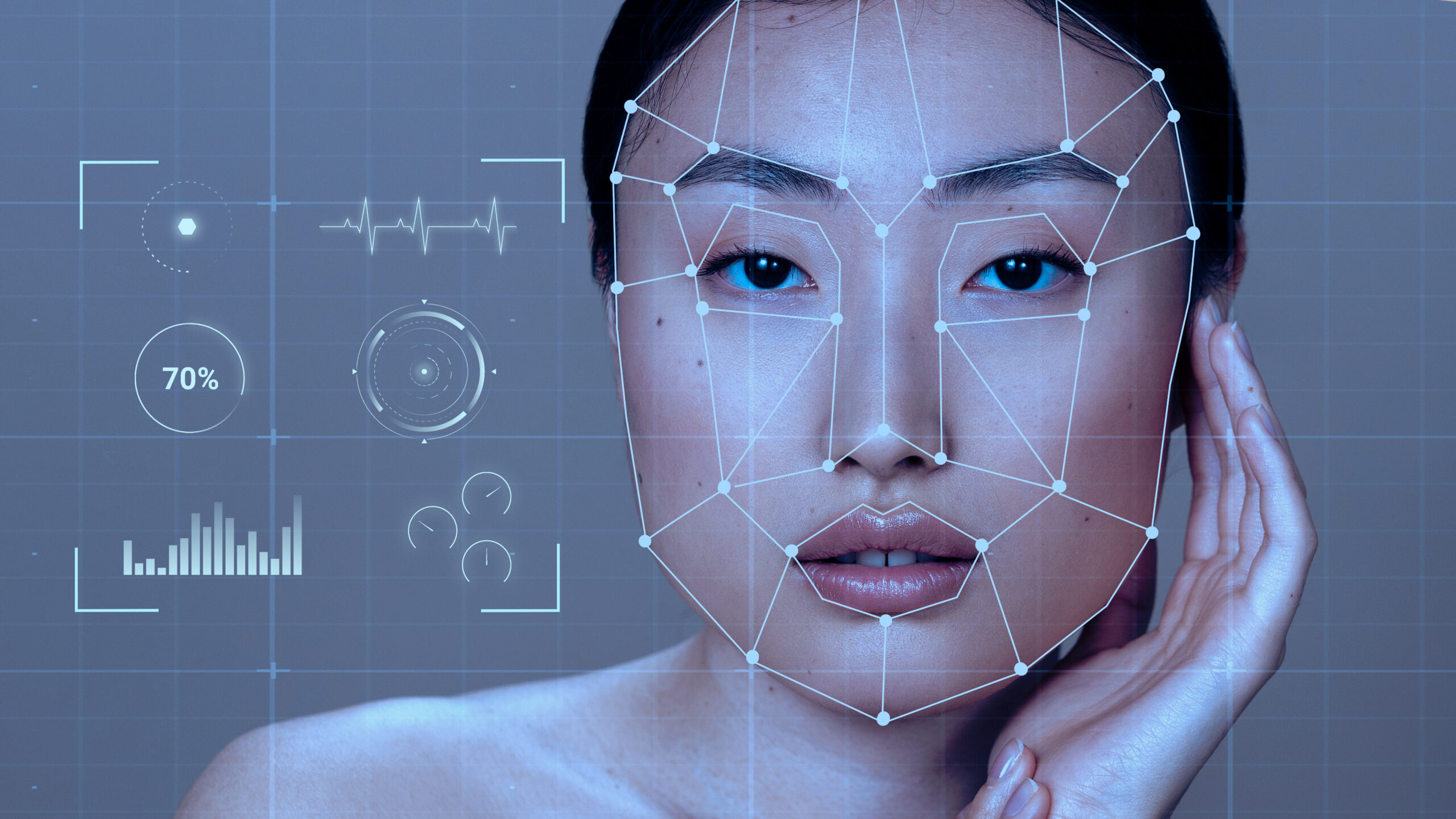
The field of dermatology is experiencing a significant change, much appreciated to the fast headways in counterfeit insights (AI) and machine learning technologies. As we delve into the intersection of AI and skin care, we uncover a world of possibilities that are reshaping how dermatologists diagnose, treat, and manage various skin conditions. This blog post explores the revolutionary impact of AI in dermatology, highlighting its potential to enhance patient care, improve diagnostic accuracy, and streamline treatment processes.
The Rise of AI in Dermatology
Enhancing Diagnostic Accuracy
One of the most noteworthy commitments of AI to dermatology is its capacity to move forward symptomatic precision. Machine learning calculations, prepared on endless datasets of dermatological pictures, can distinguish designs and highlights that may be subtle to the human eye. This capability has led to the development of AI-powered tools that assist dermatologists in diagnosing skin conditions with unprecedented precision.
For instance, deep learning models have shown remarkable success in detecting skin cancer. A study published in the journal “Nature” demonstrated that an AI system could match the diagnostic performance of board-certified dermatologists in identifying skin cancer from clinical images1. This breakthrough highlights the potential of AI to serve as a powerful aid in early skin cancer detection, potentially saving countless lives through timely interventions.
Personalized Skin Care Recommendations
AI is not only revolutionizing clinical dermatology but also transforming the consumer skincare industry. Advanced algorithms can analyze individual skin characteristics, environmental factors, and lifestyle habits to provide personalized skincare recommendations. These AI-powered skin analysis tools use computer vision technology to assess various skin parameters, such as hydration levels, wrinkles, and pigmentation.
Companies like Olay and L’Oréal have already launched AI-powered skin diagnostic tools that offer customized product recommendations based on individual skin needs. This level of personalization was previously unattainable and represents a significant shift towards more effective and tailored skincare regimens.
Telemedicine and Remote Consultations
The integration of AI in telemedicine stages has made farther dermatology meetings more available and successful. AI-enhanced telemedicine solutions can pre-screen patients, prioritize cases, and even provide preliminary diagnoses before a dermatologist reviews the case. This not only improves the efficiency of healthcare delivery but also extends dermatological care to underserved areas.
Amid the COVID-19 pandemic, the significance of telemedicine in dermatology became increasingly evident. A review distributed in the “Diary of the American Foundation of Dermatology” highlighted the fast selection of tele dermatology amid this period, with AI playing a vital part in encouraging remote skin assessment.
You may also like: AI and the Evolution of E-commerce: Personalized Shopping Experiences
AI-Powered Dermatological Tools and Applications
Automated Skin Lesion Classification
One of the most promising applications of AI in dermatology is computerized skin injury classification. Deep learning models, particularly convolutional neural networks (CNNs), have demonstrated remarkable accuracy in distinguishing between benign and malignant skin lesions. These AI frameworks can analyze high-resolution pictures of skin injuries and give fast, objective appraisals to bolster dermatologists in their decision-making preparation.
A notable example is the development of a CNN-based system by researchers at Stanford University, which achieved performance on par with expert dermatologists in classifying skin cancer3. Such tools have the potential to significantly reduce the time and resources required for skin cancer screening, making early detection more accessible to a broader population.
AI-Enhanced Microscopy
Artificial intelligence is also enhancing traditional dermatological tools like microscopy. AI-powered microscopes can automatically identify and highlight areas of interest in skin samples, assisting pathologists in making more accurate diagnoses. This technology not only improves the speed and accuracy of skin biopsy analysis but also helps in detecting subtle patterns that might be missed by human observers.
Predictive Analytics for Treatment Outcomes
Machine learning algorithms are being employed to predict treatment outcomes and optimize therapeutic strategies in dermatology. By analyzing large datasets of patient information, treatment histories, and outcomes, AI can help dermatologists make more informed decisions about treatment plans. This predictive capability is particularly valuable in managing chronic skin conditions like psoriasis and eczema, where treatment responses can vary significantly between individuals.
Challenges and Ethical Considerations
While the potential of AI in dermatology is immense, it’s crucial to address the challenges and ethical considerations associated with its implementation:
- Data Privacy and Security: The use of AI in dermatology often involves handling sensitive patient data and images. Guaranteeing the security and security of this data is paramount.
- Algorithmic bias occurs when AI systems reflect the biases present in the data used to train them, highlighting the critical influence of data quality on AI performance. There’s a risk of bias in AI algorithms if the training data doesn’t adequately represent diverse skin types and conditions.
- Integration with Clinical Workflow: Incorporating AI tools into existing clinical workflows can be challenging and may require significant changes in practice patterns.
- Regulatory Approval: As AI-powered dermatological tools become more sophisticated, navigating the regulatory landscape for approval and implementation becomes more complex.
- Maintaining the Human Touch: While AI can enhance dermatological care, it’s essential to maintain the human element in patient interactions and decision-making.
The Future of AI in Dermatology
Looking ahead, the future of AI in dermatology is bright and filled with possibilities. We can expect to see:
- More sophisticated AI models that can diagnose a wider range of skin conditions with even greater accuracy.
- Integration of AI with other technologies like augmented reality for enhanced visualization of skin conditions.
- AI-powered wearable devices that can continuously monitor skin health and alert users to potential issues.
- Advanced AI systems that can predict skin aging patterns and recommend preventive measures.
Conclusion
Artificial intelligence is undoubtedly revolutionizing the field of dermatology, offering new tools and approaches that enhance skin care and treatment. From improving diagnostic accuracy to personalizing skincare regimens and facilitating remote consultations, AI is reshaping every aspect of dermatological practice. As we continue to navigate the challenges and ethical considerations, the integration of AI in dermatology promises to deliver more efficient, accurate, and personalized skin care to patients worldwide.
As AI technology continues to evolve, it will be crucial for dermatologists, healthcare providers, and patients to stay informed about these advancements and their implications for skin health. The future of dermatology is here, and it’s powered by artificial intelligence.
FAQs
Q1: How accurate is AI in diagnosing skin conditions?
A1: AI has shown remarkable accuracy in diagnosing certain skin conditions, sometimes matching or exceeding the performance of expert dermatologists, particularly in areas like skin cancer detection.
Q2: Can AI replace dermatologists?
A2: While AI is a powerful tool, it’s designed to assist rather than replace dermatologists. The expertise and judgment of trained professionals remain crucial in patient care.
Q3: How does AI improve telemedicine in dermatology?
A3: AI enhances telemedicine by pre-screening patients, prioritizing cases, and providing preliminary diagnoses, making remote consultations more efficient and effective.
Q4: Are AI-powered skincare recommendations reliable?
A4: AI-powered recommendations can be highly personalized and effective, but they should be used in conjunction with professional advice for best results, especially for medical skin conditions.
Q5: What are the privacy concerns with AI in dermatology?
A5: Privacy concerns primarily revolve around the handling and storage of sensitive patient data and images. Robust data protection measures are essential in AI-powered dermatology applications.
Featured image source: Freepik