Table of Contents
Introduction
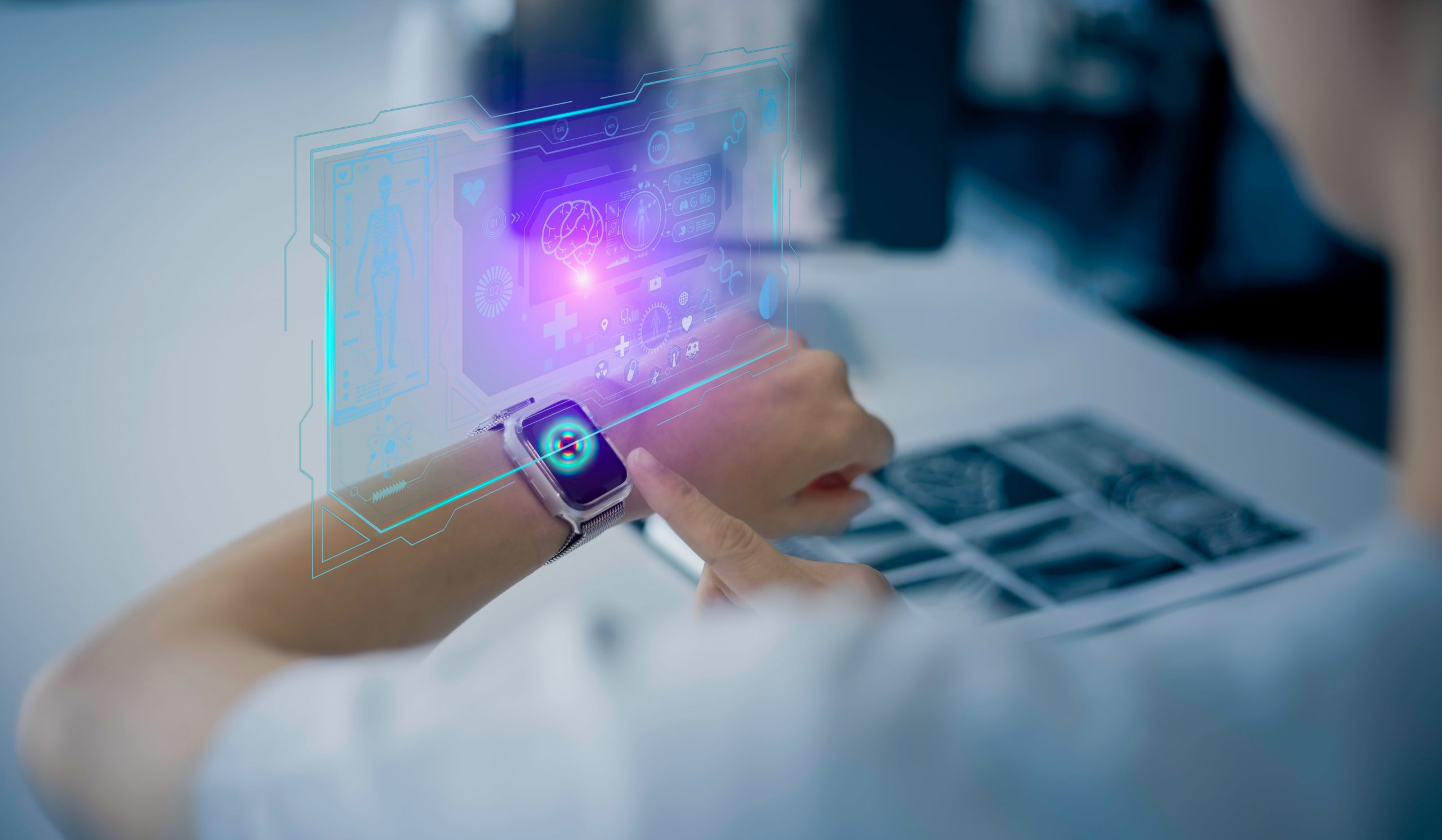
Wearable technology refers to electronic devices worn on the body that monitor health and improve physical activities. Over the past decade, these devices have evolved from simple pedometers to advanced health tools. Today, wearable technology plays a crucial role in personal health management by providing insights into health metrics and lifestyle choices. By connecting with healthcare systems, wearables offer new opportunities for preventive care, managing chronic diseases, and improving overall health.
Wearable devices include fitness trackers that monitor activity and calories, smartwatches that combine health data with communication, and specialized medical monitors that track vital health indicators. With advancements in artificial intelligence (AI) and health apps, these devices are becoming more user-friendly and provide valuable insights into health.
Wearable technology is important because it empowers individuals to take control of their health by continuously monitoring key metrics. This allows users to make better decisions about their health and helps maintain communication between patients and healthcare providers for better overall care. Wearables are now essential tools in managing and improving health.
Technological Advancements in Wearables
Wearable technology has rapidly improved, especially in areas like sensors, battery life, connectivity, and data analytics. These advances have made wearables more accurate and effective at tracking health.
- Sensor Technology has become more advanced, allowing wearables to monitor important health metrics like heart rate, blood pressure, glucose levels, and sleep patterns. These sensors are now smaller and more precise, meaning users can track their health without needing traditional medical equipment.
- Battery Life improvements have also made a big difference. New battery technologies allow wearables to last much longer—sometimes days or even weeks on a single charge. This means users can continuously monitor their health without frequent interruptions for recharging.
- Data Analytics powered by AI is changing how wearables give health insights. These algorithms can analyze large amounts of data to offer personalized health feedback and predictions. This allows users to detect health issues early and take preventive action. Thanks to these advancements, wearables have evolved into essential tools for managing personal health.
Read Also: The Evolution of Wearable Technology: Beyond Fitness Trackers
Applications of Wearable Technology in Personal Health Management
Wearable technology is used in many ways to help manage personal health, from fitness tracking to managing chronic diseases.
- Fitness Monitoring is one of the most common uses. Devices like Fitbit and Apple Watch track daily activities, such as steps, workouts, and calories burned. They help users set fitness goals, stay active, and even participate in challenges with others for extra motivation.
- For Chronic Disease Management, wearables are incredibly helpful. For example, continuous glucose monitors (CGMs) track blood sugar levels in real time for people with diabetes. These devices send alerts when levels are too high or low, helping users make quick decisions about their diet, exercise, and medications. People using CGMs often report better satisfaction with managing their diabetes.
- Wearables are also being used for Mental Health Monitoring. Some devices offer tools for managing stress, like guided breathing exercises or meditation apps. By tracking stress-related signals in the body, these devices encourage healthy coping methods. Wearable technology’s wide range of applications shows how it can support health in many areas of life.
Conclusion
Wearable technology is revolutionizing personal health management by providing users with real-time data and insights into their health status. As advancements in technology continue to improve the functionality and user experience of these devices, their applications will diversely expand across numerous health aspects, including fitness tracking, chronic disease management, and mental health monitoring. The future of healthcare lies in the empowered individuals who leverage wearable technology to take charge of their health, contributing not only to better personal outcomes but also fostering a holistic approach to wellness in society.
FAQs
1. What types of wearable technology are commonly used for health management?
Common types of wearable technology include fitness trackers (like Fitbit), smartwatches (such as the Apple Watch), smart clothing (which integrates health monitoring sensors), and medical monitors (like continuous glucose monitors). Each device has unique features aimed at specific health monitoring tasks.
2. How does wearable technology help in chronic disease management?
Wearable devices can help manage chronic diseases by providing real-time monitoring of critical health metrics such as blood glucose levels, heart rate, and blood pressure. This constant feedback allows patients to make informed decisions about their health and manage their conditions effectively, reducing the risk of complications.
3. Are there any privacy concerns associated with wearable technology?
Yes, privacy concerns exist as wearable devices often collect sensitive health data that can be vulnerable to hacking or misuse. Users should ensure that their devices have robust security features and be mindful of sharing personal health information with third-party apps.
4. How can wearable technology promote physical fitness?
Wearable devices promote fitness by allowing users to set personal goals, track their progress, and receive reminders for physical activity. Many devices incorporate gamification, making exercising more engaging and motivating users to maintain an active lifestyle.
5. Can wearable technology replace traditional healthcare?
While wearable devices provide valuable insights and facilitate health management, they are not meant to replace traditional healthcare. Instead, they complement it by offering continuous monitoring and fostering proactive health management that works hand-in-hand with professional healthcare services.