B2B Lead Generation: The Complete Guide for Tech Companies in 2025
 Aditi Gade,
6 months ago
8 min read
Aditi Gade,
6 months ago
8 min read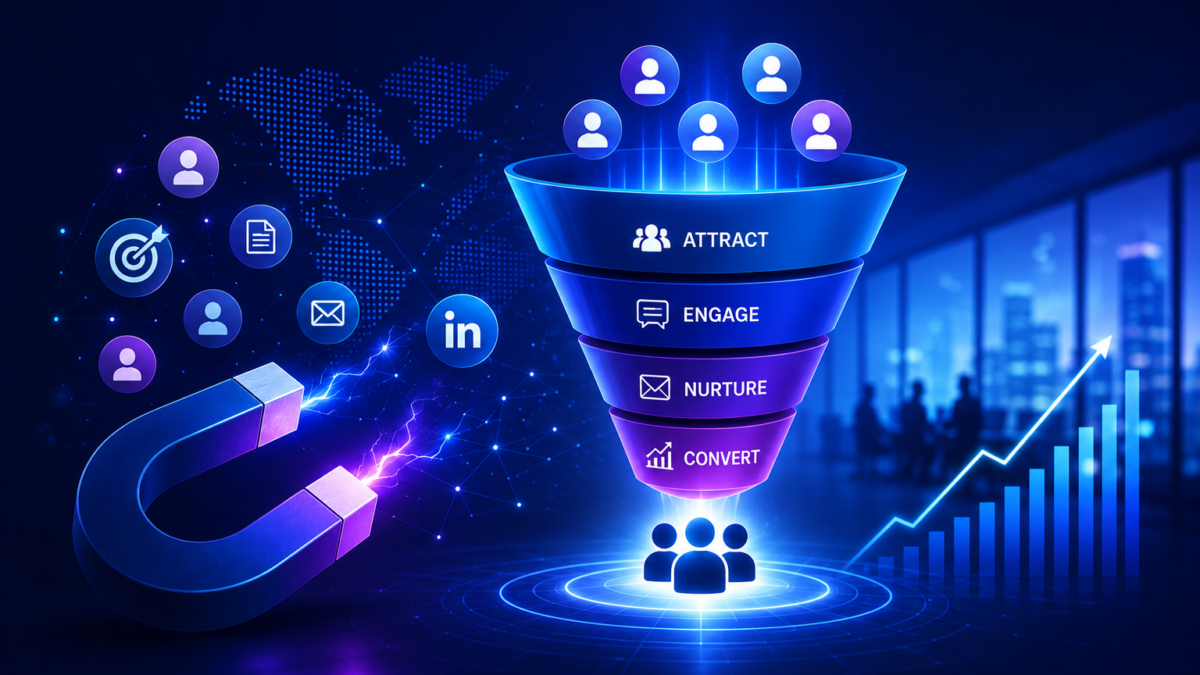
B2B lead generation is a critical process for tech companies aiming to thrive in a competitive landscape. This guide delves into effective strategies, emerging trends, and the importance of generating high-quality leads. As businesses increasingly rely on digital channels, understanding the nuances of B2B lead generation becomes essential. Many tech companies struggle with attracting the right prospects, leading to wasted resources and missed opportunities. This article will explore key strategies for B2B lead generation, the significance of understanding buyer behavior, and the tools that can enhance your lead generation efforts. We will also discuss common pitfalls to avoid and how to measure success effectively.
What Is B2B Lead Generation?
B2B lead generation refers to the process of identifying and attracting potential business clients who may be interested in a company’s products or services. This process is crucial for tech companies as it helps build a pipeline of potential customers, ultimately driving sales and revenue growth. Effective lead generation focuses on quality over quantity, ensuring that the leads generated are genuinely interested in what the company has to offer. By employing targeted strategies, businesses can enhance their chances of converting leads into loyal customers.
Key Strategies for B2B Lead Generation in 2026
To effectively generate leads, tech companies must adopt a variety of strategies tailored to their target audience. Here are some key strategies to consider:
- Intent-Based Lead Generation: This approach focuses on understanding the intent of potential leads, allowing companies to tailor their messaging and outreach efforts accordingly.
- Content Syndication: By distributing valuable content across various platforms, businesses can reach a wider audience and attract potential leads who are interested in their expertise.
- LinkedIn Demand Generation: Leveraging LinkedIn for targeted advertising and networking can significantly enhance lead generation efforts, especially in the tech sector.
Further research emphasizes the comprehensive nature of modern lead generation, highlighting various digital tools and strategic approaches for IT services.
Following these strategies can help tech companies create a robust lead generation framework. For those looking to enhance their lead generation capabilities, iTMunch offers specialized services that focus on delivering high-intent leads tailored for tech companies.
Trends to Watch
As the landscape of B2B lead generation evolves, several trends are emerging that tech companies should be aware of:
- AI-Powered Lead Scoring: Utilizing artificial intelligence to score leads based on their likelihood to convert can streamline the sales process and improve efficiency.
- First-Party Data Strategy: Companies are increasingly focusing on collecting and utilizing first-party data to better understand their audience and tailor their marketing efforts.
- Interactive Lead Magnets: Engaging potential leads through interactive content, such as quizzes or assessments, can enhance user experience and increase conversion rates.
These trends highlight the importance of staying ahead in the rapidly changing B2B landscape.
B2B vs B2C Lead Generation: Key Differences
Understanding the differences between B2B and B2C lead generation is essential for tech companies. B2B lead generation typically involves longer sales cycles, more complex decision-making processes, and a focus on building relationships. In contrast, B2C lead generation often emphasizes quick conversions and emotional appeals. Recognizing these differences can help businesses tailor their strategies effectively.
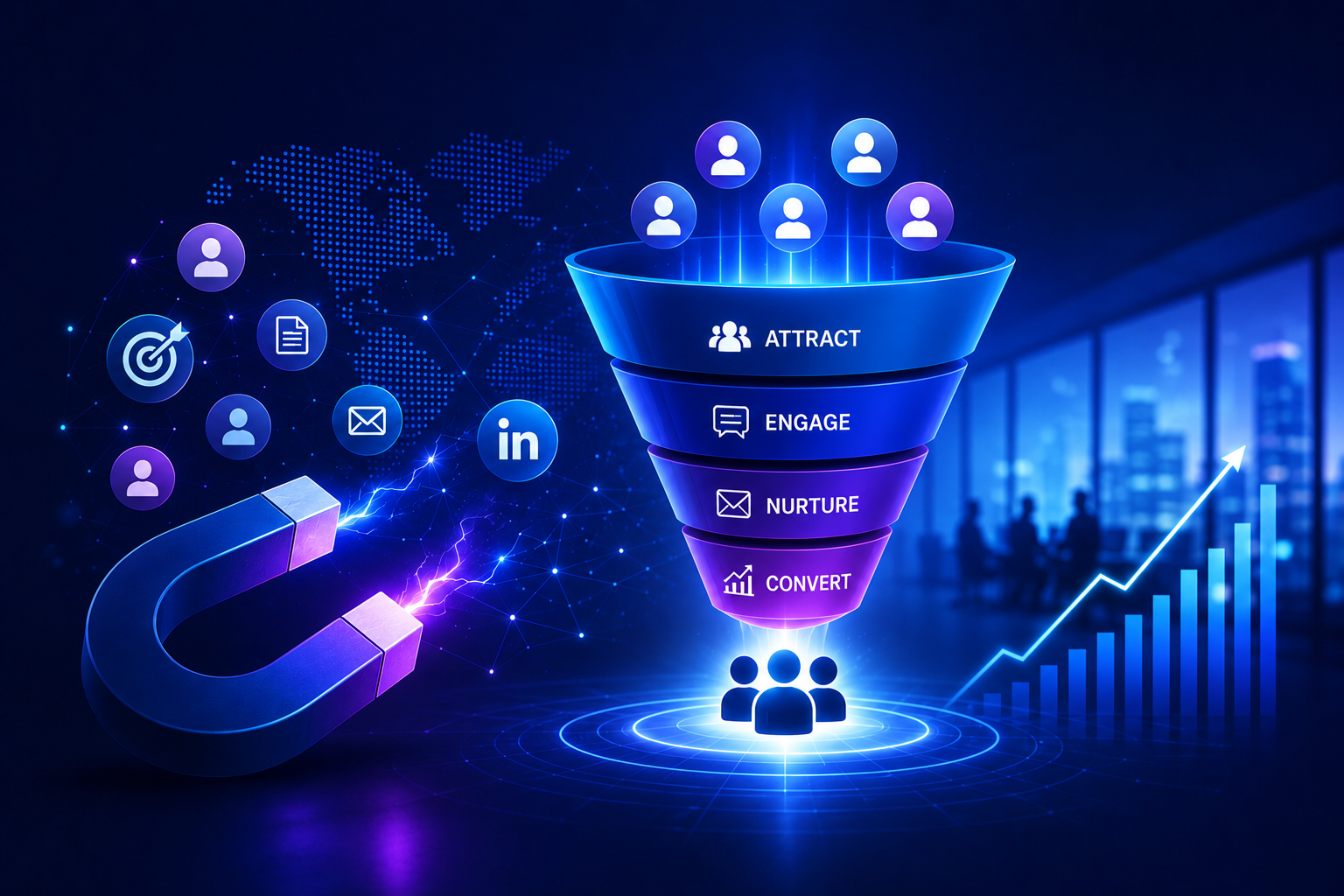
The B2B Lead Generation Funnel Explained
The B2B lead generation funnel consists of several stages, each requiring different strategies to nurture leads effectively. The stages include:
- Top of the Funnel (ToFu): This stage focuses on attracting a wide audience through awareness campaigns and content marketing.
- Middle of the Funnel (MoFu): Here, businesses nurture leads through targeted content and engagement strategies to build relationships.
- Bottom of the Funnel (BoFu): This final stage involves converting leads into customers through personalized outreach and compelling offers.
Understanding this funnel is crucial for optimizing lead generation efforts.
Why B2B Lead Generation Is Critical for Tech Companies
B2B lead generation is vital for tech companies as it directly impacts revenue growth and customer acquisition strategies. A well-defined lead generation process allows businesses to identify potential clients, understand their needs, and tailor their offerings accordingly. Moreover, effective lead generation can provide a competitive advantage by ensuring a steady stream of qualified leads, ultimately leading to increased sales and market share.
The Cost of Poor Lead Generation
Ineffective lead generation can have significant financial repercussions for tech companies. Wasted time and resources on unqualified leads can inflate costs per acquisition and reduce overall conversion rates. Companies must prioritize quality lead generation strategies to avoid these pitfalls and ensure a healthy return on investment.
How Tech Buyers Research Vendors Today
Today’s tech buyers conduct extensive research before making purchasing decisions. They often rely on online content, reviews, and testimonials to inform their choices. Understanding how buyers research vendors can help tech companies tailor their marketing strategies to meet the needs of their target audience effectively.
Top B2B Lead Generation Strategies in 2026
As we look ahead to 2026, several lead generation strategies are expected to dominate the landscape:
- Inbound Strategies: Focusing on SEO, content marketing, and thought leadership to attract potential leads organically.
- Outbound Strategies: Utilizing cold email outreach, account-based marketing (ABM), and LinkedIn for targeted lead generation.
- Paid Strategies: Implementing pay-per-click (PPC) advertising, retargeting campaigns, and sponsored content to reach a broader audience.
- Partnerships & Co-Marketing: Collaborating with other businesses to leverage shared audiences and enhance lead generation efforts.
Inbound: SEO, Content & Thought Leadership
Inbound marketing strategies are essential for attracting potential leads through valuable content. By optimizing for search engines and establishing thought leadership, tech companies can position themselves as industry experts. This approach not only drives traffic but also builds trust with potential clients.
Outbound: Cold Email, ABM & LinkedIn
Outbound strategies, such as cold emailing and account-based marketing, allow businesses to reach out directly to potential leads. Leveraging LinkedIn for targeted outreach can enhance these efforts, enabling tech companies to connect with decision-makers in their industry.
Paid: PPC, Retargeting & Sponsored Content
Paid advertising strategies, including PPC and retargeting, can effectively generate leads by reaching a targeted audience. Sponsored content can also enhance visibility and attract potential clients who may not be aware of the company’s offerings.
Partnerships & Co-Marketing
Collaborating with other businesses through partnerships and co-marketing initiatives can amplify lead generation efforts. By leveraging shared resources and audiences, tech companies can enhance their reach and effectiveness in attracting potential leads.
Best B2B Lead Generation Tools & Platforms

To optimize lead generation efforts, tech companies can utilize various tools and platforms designed to enhance their capabilities. Some of the best tools include:
- CRM and Marketing Automation: These tools help manage customer relationships and automate marketing efforts, streamlining the lead generation process.
- Intent Data and Prospecting Tools: Utilizing intent data can provide insights into potential leads’ behaviors and interests, allowing for more targeted outreach.
- AI-Powered Lead Generation Software: These advanced tools leverage artificial intelligence to identify and engage potential leads effectively.
CRM & Marketing Automation
CRM and marketing automation tools are essential for managing leads and nurturing relationships. They enable businesses to track interactions, segment audiences, and automate follow-up processes, ultimately improving lead conversion rates.
Intent Data & Prospecting Tools
Intent data provides valuable insights into potential leads’ interests and behaviors, allowing companies to tailor their outreach efforts. Prospecting tools can help identify and engage with high-potential leads, enhancing overall lead generation effectiveness.
AI-Powered Lead Generation Software
AI-powered lead generation software can significantly enhance the efficiency of lead generation efforts. By automating processes and providing data-driven insights, these tools enable tech companies to focus on high-value leads and improve conversion rates.
How to Measure B2B Lead Generation Success

Measuring the success of B2B lead generation efforts is crucial for continuous improvement. Companies should focus on key performance indicators (KPIs) to evaluate their strategies effectively.
Key Metrics: MQL, SQL, CPL, Conversion Rate
Understanding key metrics such as Marketing Qualified Leads (MQL), Sales Qualified Leads (SQL), Cost Per Lead (CPL), and conversion rates is essential for assessing lead generation success. These metrics provide insights into the effectiveness of various strategies and help identify areas for improvement.
Building a Lead Scoring Model
Creating a lead scoring model can help prioritize leads based on their likelihood to convert. By defining ideal customer profiles and determining lead attributes, companies can focus their efforts on high-potential leads, improving overall conversion rates.
The importance of accurately scoring leads, particularly through advanced techniques like deep learning, is crucial for optimizing sales funnel efficiency and prioritizing high-potential prospects.
B2B Lead Generation Mistakes to Avoid
To maximize the effectiveness of lead generation efforts, tech companies should be aware of common mistakes to avoid:
- Targeting the Wrong Audience: Failing to define the target audience can lead to wasted resources and ineffective campaigns.
- Neglecting Lead Nurturing: Not nurturing leads can result in lost opportunities, as potential clients may require multiple touchpoints before converting.
- Failing to Measure Success: Without proper measurement, companies may struggle to identify what works and what doesn’t, hindering their lead generation efforts.
iTMunch.com’s B2B Lead Generation Services
iTMunch specializes in providing B2B lead generation services tailored for tech companies. With a focus on delivering high-intent leads, iTMunch helps businesses optimize their lead generation strategies and achieve their growth objectives. By leveraging advanced techniques and insights, iTMunch ensures that clients receive the quality leads necessary for success.
Frequently Asked Questions
What is the best B2B lead generation strategy?
The best B2B lead generation strategy often combines multiple approaches, including inbound marketing, outbound outreach, and leveraging partnerships. Tailoring strategies to the target audience and continuously optimizing efforts based on performance metrics is key.
How much does B2B lead generation cost?
The cost of B2B lead generation can vary significantly based on the strategies employed and the tools used. Companies should consider their budget and goals when determining the most effective approach for their needs.
What tools do B2B marketers use for lead generation?
B2B marketers utilize a variety of tools for lead generation, including CRM systems, marketing automation platforms, intent data tools, and AI-powered software. These tools help streamline the lead generation process and improve overall effectiveness.