The Coffee You Drank This Morning Might Already Be on a Blockchain
 Purva Wankhade,
2 months ago
4 min read
Purva Wankhade,
2 months ago
4 min read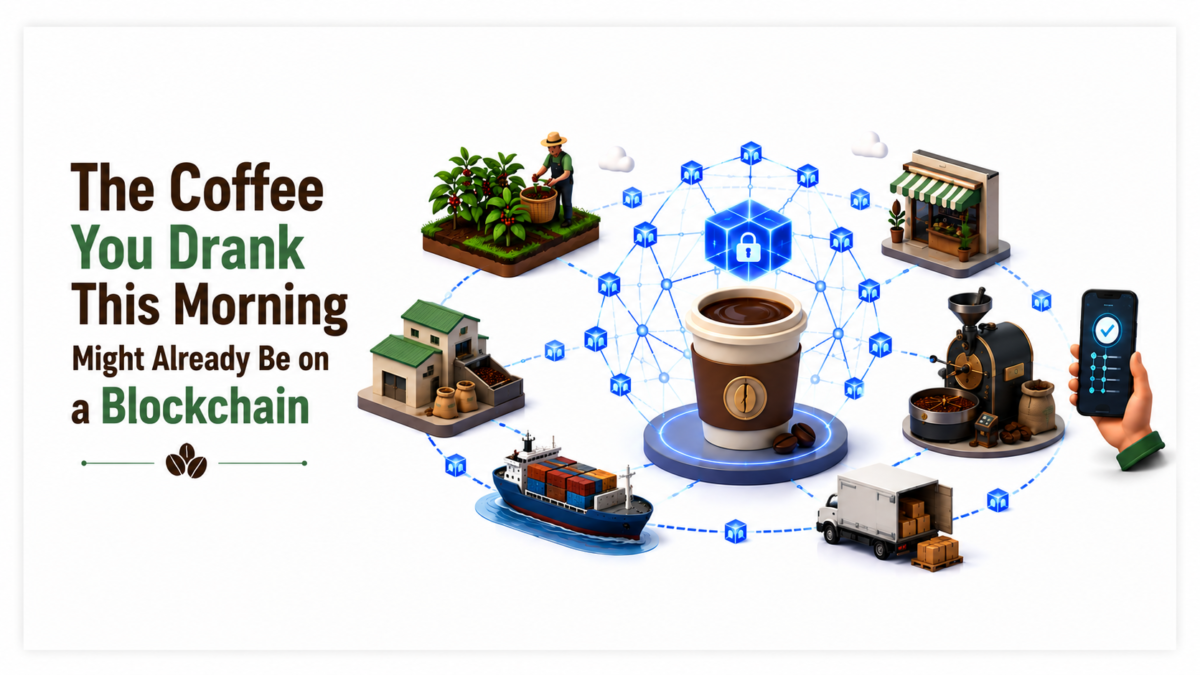
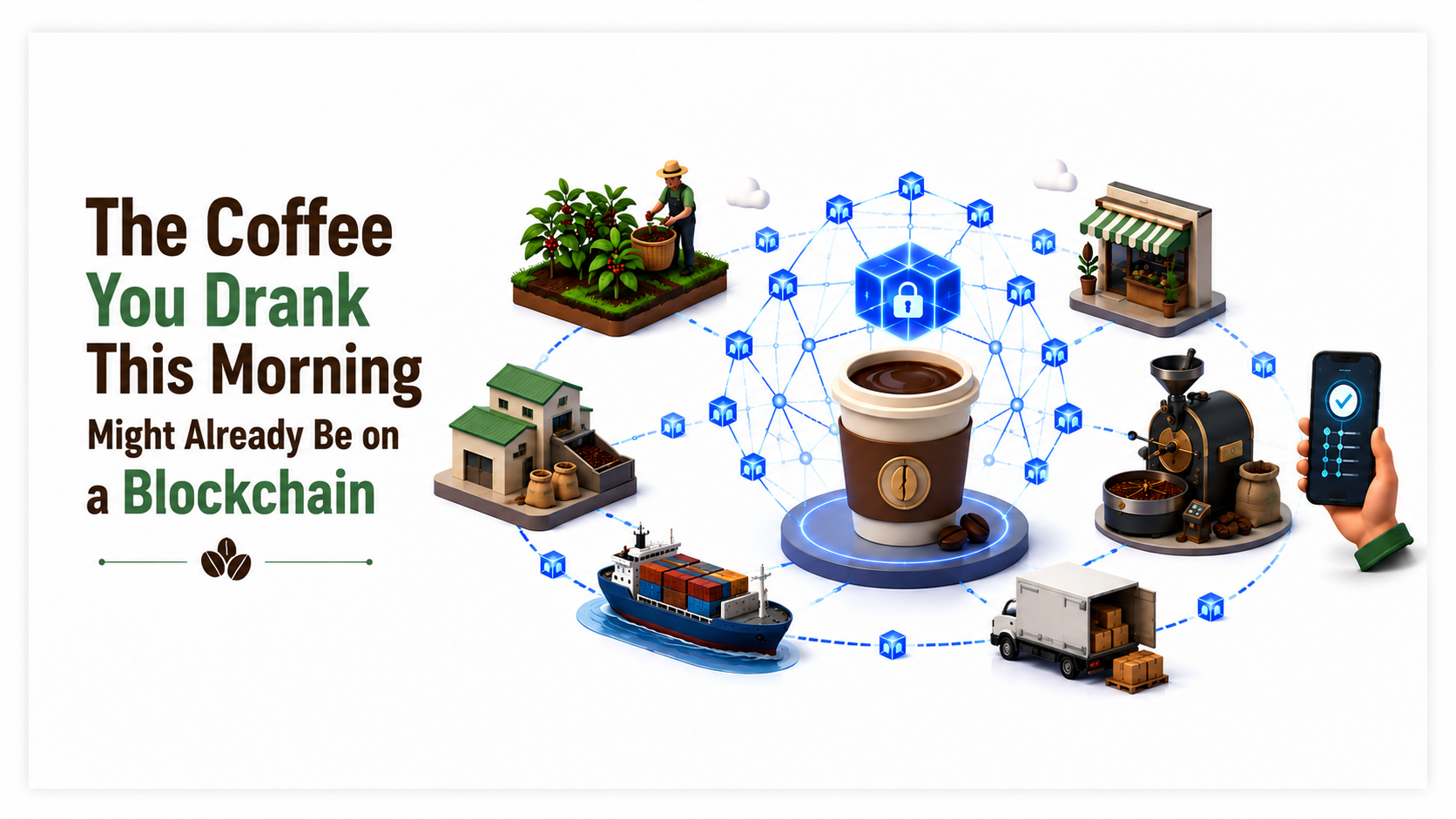
Every morning, millions of people begin their day with a cup of coffee. They might notice the aroma, the roast, or the origin printed on the package, but few stop to wonder how those beans traveled across continents before reaching their kitchen. That journey is surprisingly complex, involving farmers, exporters, processors, shipping companies, roasters, distributors, and retailers. Today, blockchain is quietly changing how that story is recorded, verified, and shared. Far from its cryptocurrency roots, blockchain is emerging as one of the most practical technologies for building trust in global supply chains. The next time you sip your favorite brew, the entire journey of those beans may already be secured on a digital ledger.
How Blockchain Is Rewriting the Coffee Supply Chain
Coffee passes through dozens of checkpoints before reaching consumers. Traditionally, information is stored in separate databases, spreadsheets, or even paper records, making it difficult to verify where products originated or whether ethical standards were followed. Blockchain creates a shared, tamper-resistant record that every authorized participant can access. Each transaction is permanently logged, creating an unbroken history from farm to shelf. Instead of relying on assumptions, businesses gain verifiable proof of every stage in the process, while customers gain greater confidence in the products they buy.
Why Blockchain Is Becoming a Trust Engine
Consumers today expect more than quality, they expect transparency. They want to know whether farmers were paid fairly, whether sustainability claims are genuine, and whether products are authentic. Blockchain helps companies answer those questions with verifiable data rather than marketing promises. A simple QR code can reveal harvest dates, certifications, transportation history, and processing details. This level of openness transforms trust from a branding exercise into something customers can independently verify. As expectations continue to rise, transparency is becoming a competitive advantage rather than an optional feature.
Blockchain Is Fighting Fraud Beyond Cryptocurrency
Counterfeit products are no longer limited to luxury handbags or electronics. Premium coffee brands also face imitation products that damage consumer confidence and brand reputation. Blockchain gives every shipment a secure digital identity that can be tracked throughout its lifecycle. Retailers can confirm authenticity before stocking shelves, while consumers can validate a product’s origin within seconds. The technology makes fraudulent substitutions significantly more difficult, helping businesses protect both revenue and customer loyalty. For companies investing heavily in premium products, authenticity has become just as valuable as quality itself.
Blockchain Is Creating Smarter Business Decisions
The value of blockchain extends well beyond tracking products. Every verified transaction creates reliable business intelligence. Organizations can identify delays, monitor supplier performance, improve inventory planning, and respond faster to disruptions. Instead of reconciling conflicting records across multiple partners, everyone works from the same trusted source of information. This improves collaboration while reducing administrative costs and operational friction. Industry observers, including analyses published by Whitepapers Online, have increasingly highlighted how trusted digital infrastructure is becoming essential for resilient global supply chains. The shift demonstrates that transparency is evolving into a strategic business capability.
Blockchain Is Expanding Far Beyond Coffee
Coffee simply offers an easy way to understand a much larger transformation. Food manufacturers use blockchain to trace fresh produce, pharmaceutical companies verify medicines, fashion brands authenticate luxury goods, and electronics manufacturers track critical components across international suppliers. Governments are also exploring digital identity systems built on similar principles. The common goal is remarkably consistent: establish trust without relying entirely on manual verification. As industries become increasingly interconnected, businesses recognize that accurate, shareable information is as valuable as the physical products themselves.
Why Blockchain Could Become Invisible Technology
Ironically, blockchain may succeed because consumers eventually stop noticing it. Few people think about cloud computing every time they stream music or send an email, yet it powers countless digital experiences behind the scenes. Blockchain appears to be following a similar path. Customers will simply expect accurate product information, verified sourcing, and transparent supply chains without caring about the technology enabling them. Businesses adopting blockchain today are preparing for a future where trust becomes a standard expectation rather than a unique selling point.
The biggest blockchain success stories are unlikely to involve speculative investments or viral headlines. Instead, they will emerge from ordinary products that quietly become more transparent, reliable, and accountable. Coffee is only the beginning. As organizations continue modernizing supply chains, strengthening sustainability initiatives, and improving product authentication, blockchain will increasingly operate as invisible infrastructure supporting everyday commerce. Consumers may never see the digital ledger behind their purchases, but they will notice the confidence that comes from knowing exactly where products originate and how they reached them. The coffee you drank this morning may already be part of that transformation, proving blockchain is no longer just changing finance it is changing how businesses earn trust every single day.