AI in Lead Generation in 2026: From Volume to True Buyer Intelligence
 Vansh Banthia,
9 months ago
3 min read
Vansh Banthia,
9 months ago
3 min read
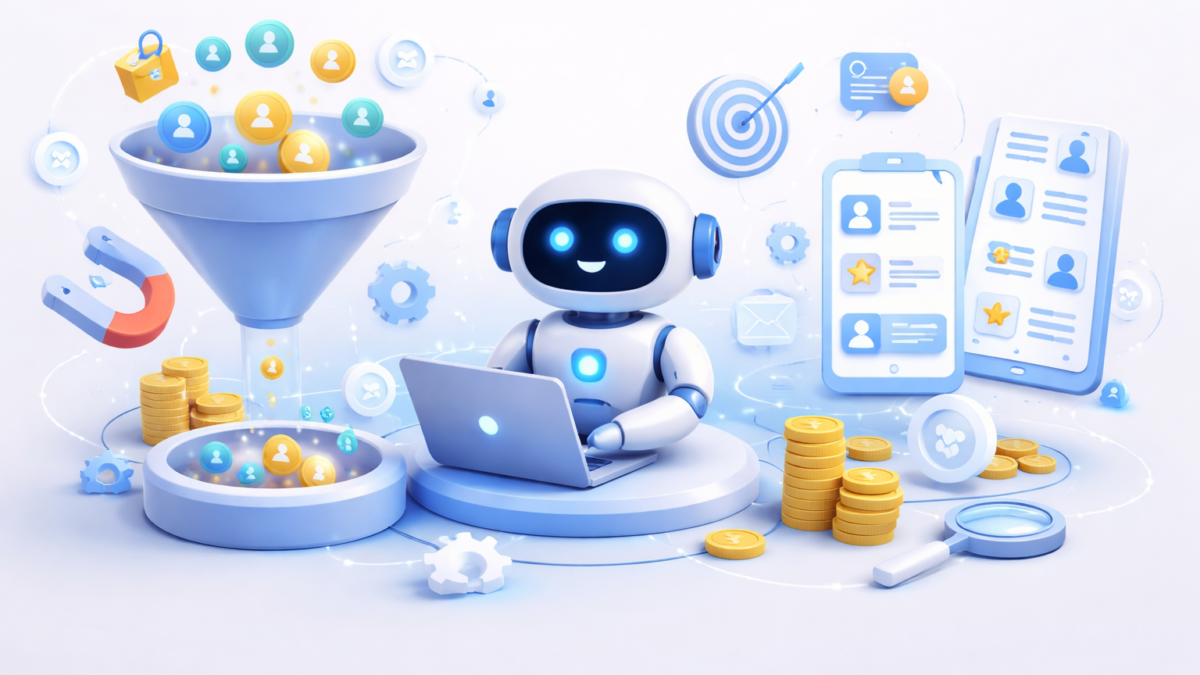
By 2026, lead generation is no longer about collecting more contacts—it’s about identifying real buying intent at the right moment. Artificial intelligence has fundamentally changed how B2B companies discover, qualify, and engage prospects, shifting the focus from volume-driven campaigns to intelligence-led growth.
AI is no longer an add-on to lead generation platforms. It has become the engine driving decision-making, prioritization, and personalization across the entire funnel.
The End of Traditional Lead Generation Models
For years, B2B lead generation relied on static criteria such as job titles, firmographics, and gated content downloads. While effective at scale, these models struggled to distinguish between casual interest and active buying intent.
In 2026, these limitations are no longer acceptable. Sales teams demand higher-quality leads, and marketing teams are under pressure to prove direct pipeline impact. AI addresses this gap by analyzing behavioral signals rather than surface-level attributes.
How AI Is Redefining Lead Discovery
Signal-Based Lead Identification
Modern AI systems analyze thousands of real-time signals across digital touchpoints. Website behavior, content consumption patterns, product interactions, and intent data are evaluated collectively to identify accounts that are actively researching solutions.
Instead of waiting for form fills, AI detects intent earlier in the buyer journey—often before prospects engage directly with sales.
Predictive Lead Scoring
Static lead scoring models have been replaced by adaptive, predictive systems. AI continuously recalibrates lead scores based on new data, ensuring that high-priority prospects surface at the right time.
This dynamic scoring allows teams to focus on leads with the highest likelihood of conversion, rather than those who simply meet predefined criteria.
Personalization at Scale Without Manual Effort
One of the most significant impacts of AI in 2026 is its ability to deliver personalization without operational complexity.
AI-driven lead generation platforms now:
- Customize messaging based on buyer behavior
- Adjust outreach timing automatically
- Recommend content aligned to buyer intent
This level of personalization was previously impossible without extensive manual segmentation. AI enables it at scale, while maintaining consistency across channels.
Smarter Lead Routing and Sales Alignment
AI is also transforming how leads move from marketing to sales. Intelligent routing systems assign leads based on readiness, industry relevance, and historical conversion patterns—reducing response time and improving win rates.
Sales teams receive leads with contextual insights, including:
- Why the lead was flagged
- What content influenced engagement
- Where the buyer is in the decision process
This context allows sales conversations to start with relevance, not discovery.
Data Quality and Compliance in an AI-Driven World
As AI systems rely heavily on data, accuracy and compliance have become critical priorities. In 2026, leading platforms emphasize clean data pipelines, consent-driven tracking, and transparent decision-making models.
AI is increasingly used to:
- Identify and eliminate duplicate or low-quality leads
- Monitor data integrity in real time
- Ensure alignment with evolving privacy regulations
This shift allows organizations to scale lead generation without increasing risk.
Challenges That Still Remain
Despite its advantages, AI-led lead generation is not without challenges. Overreliance on automation without human oversight can lead to missed nuances in complex buying decisions. Additionally, organizations must ensure AI models are aligned with their specific sales motion and market dynamics.
Successful teams treat AI as an intelligence layer—not a replacement for strategy.
What Lead Generation Looks Like Moving Forward
In 2026, the most effective B2B teams use AI to:
- Detect intent earlier
- Prioritize leads dynamically
- Personalize engagement intelligently
- Align marketing and sales around shared insights
Lead generation is no longer about filling pipelines—it’s about building predictable, high-quality demand.
Final Thoughts
AI has transformed lead generation from a reactive process into a proactive, insight-driven discipline. As competition intensifies and buying journeys grow more complex, organizations that leverage AI intelligently will gain a measurable advantage.
The future of lead generation belongs to teams that combine human strategy with machine intelligence—turning data into decisions, and decisions into revenue.