AI & Infrastructure Surge, Gaming Chip Crunch, and the Future of Tech Learning — What’s Shaping the IT World in December 2025
 Vansh Banthia,
9 months ago
3 min read
Vansh Banthia,
9 months ago
3 min read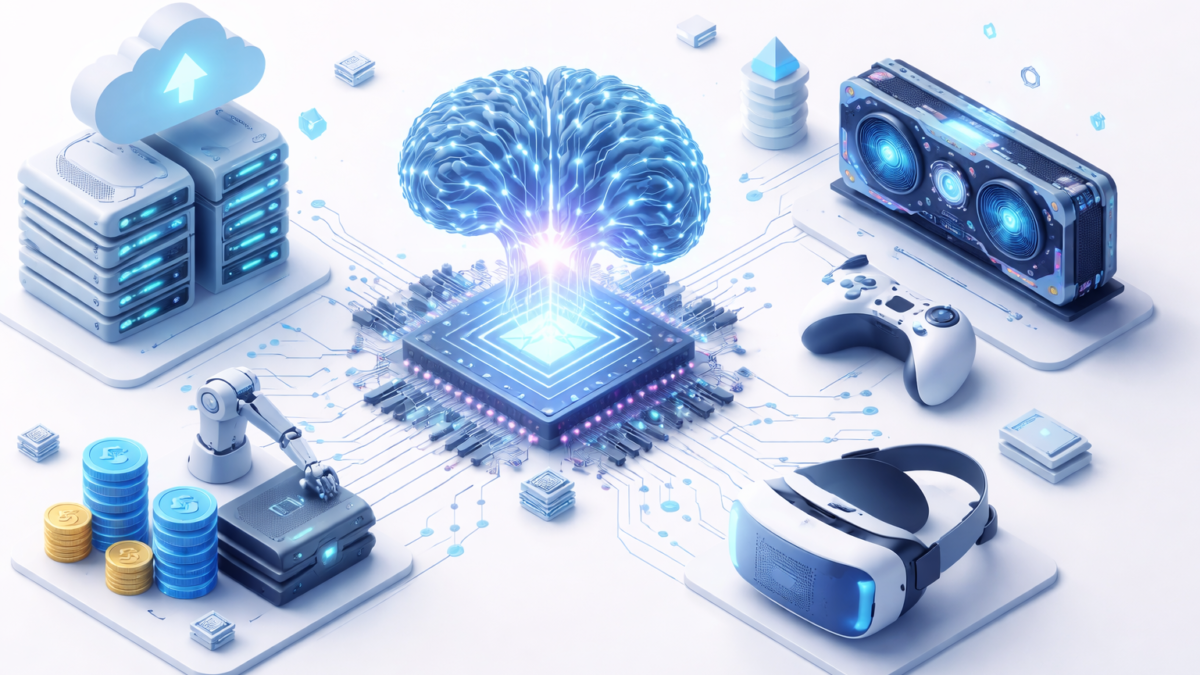
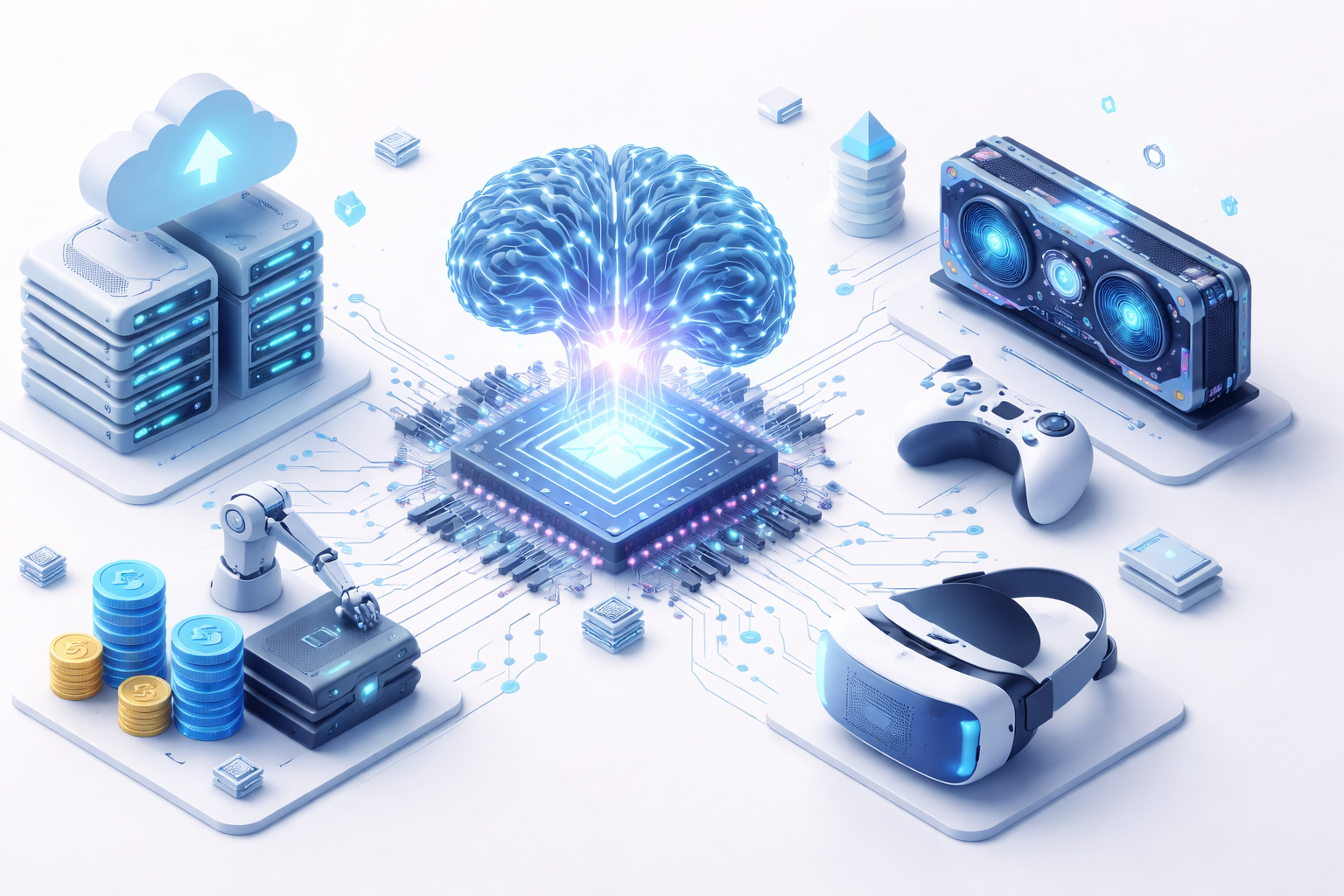
Another clear trend emerging across the IT industry is the pressure AI workloads are placing on hardware supply chains. Memory chips, GPUs, and high-performance components are increasingly being prioritized for enterprise AI infrastructure and data center use.
This has a ripple effect across adjacent industries. Consumer hardware segments—including gaming consoles and personal devices—are facing shortages and rising costs as enterprise demand absorbs available capacity. AI infrastructure development is no longer just a software revolution; it is actively redefining hardware economics and production priorities. Understanding the dynamics of ai infrastructure is crucial for businesses to navigate these changes effectively. Furthermore, the strategic implementation of ai infrastructure will enable organizations to enhance operational efficiency and drive innovation.
For enterprises, this reinforces the importance of early infrastructure planning, vendor partnerships, and long-term procurement strategies to avoid capacity bottlenecks.
Consulting and Enterprise AI Services Are Surging
As infrastructure expands, enterprises are also investing heavily in expertise. Global consulting and professional services firms are reporting record growth in AI-related engagements, with organizations seeking help to operationalize AI across business functions.
This surge reflects a shift from AI experimentation to execution. Enterprises are no longer asking whether AI is valuable—they are asking how to deploy it securely, ethically, and at scale. Key focus areas include:
- AI-powered automation and analytics
- Enterprise data modernization
- Responsible AI governance
- Integration of AI into core business workflows
The rapid growth in AI consulting underscores the reality that technology alone is not enough. Successful AI adoption requires strategy, skills, and alignment across IT, security, and business teams.
Enterprise Networking and Security Are Evolving with AI
AI is also reshaping enterprise networking and cybersecurity. Modern networks are becoming more intelligent, adaptive, and automated to handle AI-driven workloads and data flows.
Networking leaders like Cisco are emphasizing AI-enabled operations, zero-trust security models, and hybrid cloud connectivity. As enterprises deploy AI across distributed environments, secure and resilient networks are becoming mission-critical.
This evolution highlights a broader trend: AI is influencing every layer of the IT stack, from infrastructure and networking to applications and security.
Tech Workforce Realignment Continues
Despite massive investment in AI infrastructure and services, workforce restructuring remains a reality across the tech sector. Many organizations are streamlining traditional roles while simultaneously hiring for AI, data, and cloud expertise.
This realignment reflects changing priorities rather than slowing innovation. Enterprises are reallocating budgets toward future-ready skills, emphasizing continuous learning, reskilling, and specialization in AI-driven domains.
For IT professionals, adaptability and upskilling are no longer optional—they are essential for long-term relevance.
What These Trends Mean for Enterprise IT Leaders
Taken together, these recent developments paint a clear picture of where enterprise IT is headed:
- AI infrastructure is becoming a strategic asset, not just an operational requirement
- Hardware and energy planning are critical components of AI readiness
- Demand for AI consulting and managed services is accelerating
- Networks and security architectures must evolve to support AI workloads
- Workforce strategies must balance efficiency with future skill development
Enterprises that align infrastructure, talent, and strategy around AI will be best positioned to compete in the next phase of digital transformation.
How ITMunch Helps Enterprises Navigate the AI-Driven IT Shift
At ITMunch, we track and analyze real-world IT developments shaping enterprise decision-making. From AI infrastructure trends to enterprise technology adoption, ITMunch helps technology leaders stay informed, visible, and competitive in fast-moving markets.
As AI continues to redefine the IT industry, staying ahead of real, relevant technology shifts is no longer optional—it’s a business imperative.
As AI continues to transform enterprise IT, the organizations that will thrive are those that combine strategic infrastructure investments, forward-looking workforce planning, and data-driven technology adoption. By staying attuned to real-world IT developments and aligning strategy with emerging trends, enterprises can not only keep pace with change but also turn it into a competitive advantage. In this rapidly evolving landscape, informed decisions today will define market leadership tomorrow.