How to Build Targeted Outreach Campaigns Around B2B Decision Makers in 2025
 Gaurav Uttamchandani,
1 year ago
3 min read
Gaurav Uttamchandani,
1 year ago
3 min read
Table of Contents
Introduction
In 2025, B2B sales teams are no longer just cold-emailing and hoping for the best. Today’s outreach is intent-driven, data-backed, and personalized—and at the center of it all lies a crucial question: Are you targeting the right decision-makers?
With buying committees becoming more complex, successful outreach demands a sharp understanding of who influences the deal and how to reach them with relevance. This blog outlines how to identify, segment, and connect with B2B decision makers through targeted outreach that actually works.
Understand the Modern Buying Committee Structure
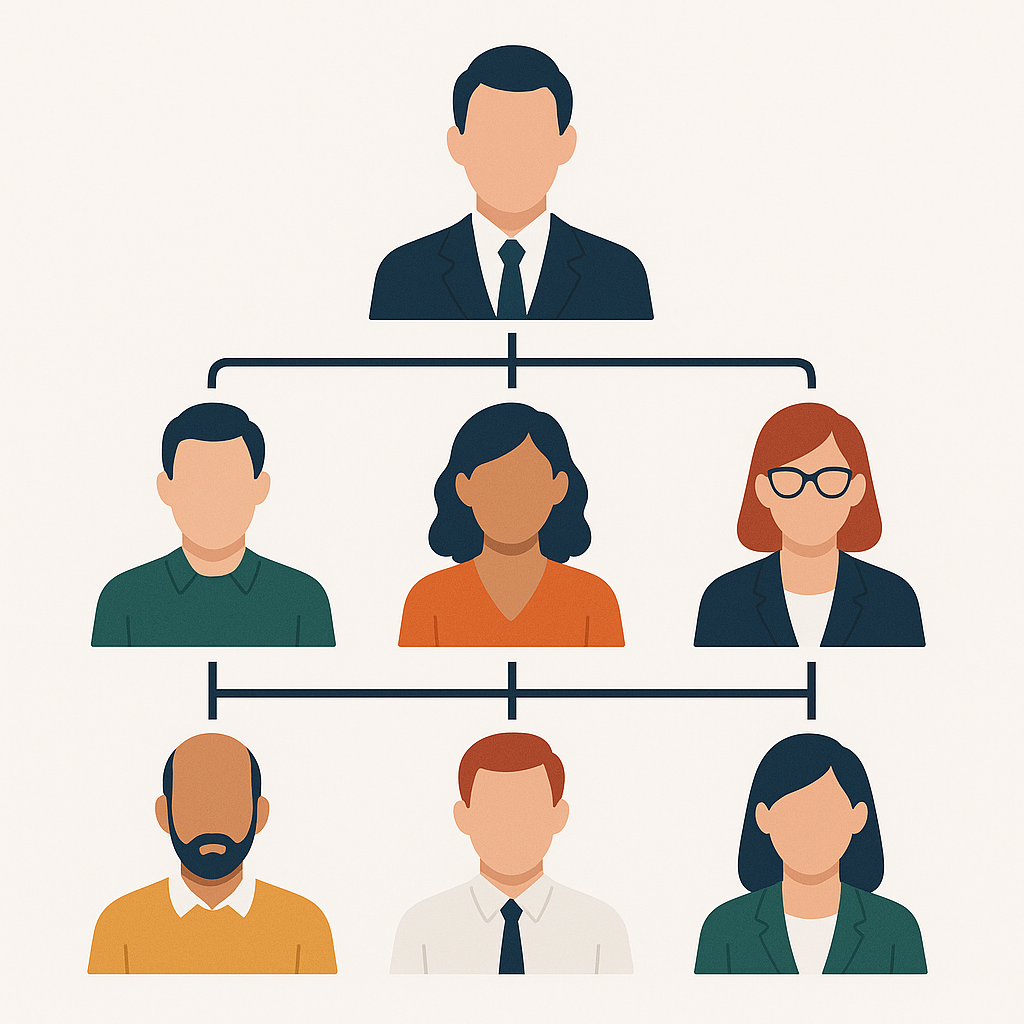
B2B decisions are rarely made by a single person. In fact, most deals involve 6 to 10 stakeholders across multiple departments—each with a unique agenda.
Common roles in a buying committee:
- C-Level (CEO, CIO, CMO): Strategic oversight and final approval
- Mid-Level Managers: Operational decision-makers and influencers
- Technical Evaluators: IT or product managers assessing feasibility
- Finance/Procurement: Budget control and compliance checks
Tailoring outreach requires identifying not just the top-level decision maker, but everyone who influences the outcome.
Build Targeted Buyer Personas for Each Role
To effectively reach decision makers, you need to map out role-specific personas that reflect their goals, pain points, and preferred content formats.
Example Persona Breakdown:
| Role | Primary Concern | Preferred Content |
|---|---|---|
| CFO | ROI, cost savings | Case studies, whitepapers |
| CTO | Integration, security | Technical guides, demos |
| VP of Marketing | Performance, agility | ROI calculators, playbooks |
Use tools likeLinkedIn Sales Navigator, ZoomInfo, or Clearbit to gather insights on individual decision makers across your target accounts.
Segment and Prioritize Outreach Lists
Once you’ve identified roles, segment your outreach lists by:
- Company size or industry
- Role or seniority level
- Stage in buying journey
- Intent signals (content views, website visits)
This ensures that your messaging is timely, relevant, and role-aligned.
Pro tip: Build micro-campaigns around job titles like “VP of Sales” or “IT Manager” using custom landing pages and messaging.
Personalize Across Channels
Decision makers are busy—and generic outreach doesn’t get noticed. Use multi-touch personalization across:
- Email: Mention role-specific pain points, company news, or mutual connections.
- LinkedIn: Share relevant content, comment thoughtfully, or send personalized InMail.
- Retargeting ads: Reinforce messaging post-outreach using role-specific creatives.
- Phone outreach: Follow up after digital engagement with talking points tailored to their persona.
You May Also Like: Why Understanding B2B Buying Behavior Is Crucial for Account-Based Marketing in 2025
Use Content to Move the Conversation Forward
Outreach should educate and guide—not just pitch. Each touchpoint should provide value that aligns with where the stakeholder is in their decision journey.
Example Content Strategy:
| Buyer Stage | Content Type |
|---|---|
| Awareness | Industry reports, blog posts |
| Consideration | Case studies, comparison guides |
| Decision | ROI calculators, product demos |
Need help identifying who to target in your own sales funnel? Learn more in our full guide:
👉 Identifying Key Decision Makers in B2B Sales and Effective Selling Techniques
Align Marketing and Sales Outreach
Outreach only works when sales and marketing collaborate. Build unified campaigns where:
- Marketing generates role-specific awareness
- Sales follows up based on real engagement
- Messaging stays consistent across touchpoints
Shared dashboards and intent data tracking can help both teams see which roles are engaging and how to respond.
Measure What Matters
Track KPIs that reflect how well you’re engaging decision-makers:
- Email open/click rates by role
- Time-on-page for content segmented by persona
- Conversion rate by job title
- Number of stakeholders engaged per account
Use these insights to refine targeting, messaging, and timing.
Final Thoughts
In 2025, the success of any B2B outreach campaign depends on your ability to identify, prioritize, and personalize for real decision makers. It’s not about sending more messages—it’s about sending smarter ones.
By understanding the dynamics of modern buying committees and tailoring outreach for each stakeholder, you can improve engagement, reduce friction, and close deals faster.
Ready to turn high-intent prospects into qualified leads?
Explore our B2B lead generation solutions designed to reach decision-makers when it matters most.