Table of Contents
Introduction
When Apple introduced the 4th generation iPod Shuffle on July 15, 2015, it wasn’t about screen size or processing power. It was about minimalism, portability, and putting music in your pocket without distractions. While the world shifted toward multifunction smartphones, the iPod Shuffle remained a symbol of simplicity and focus.
Design That Defined Portability
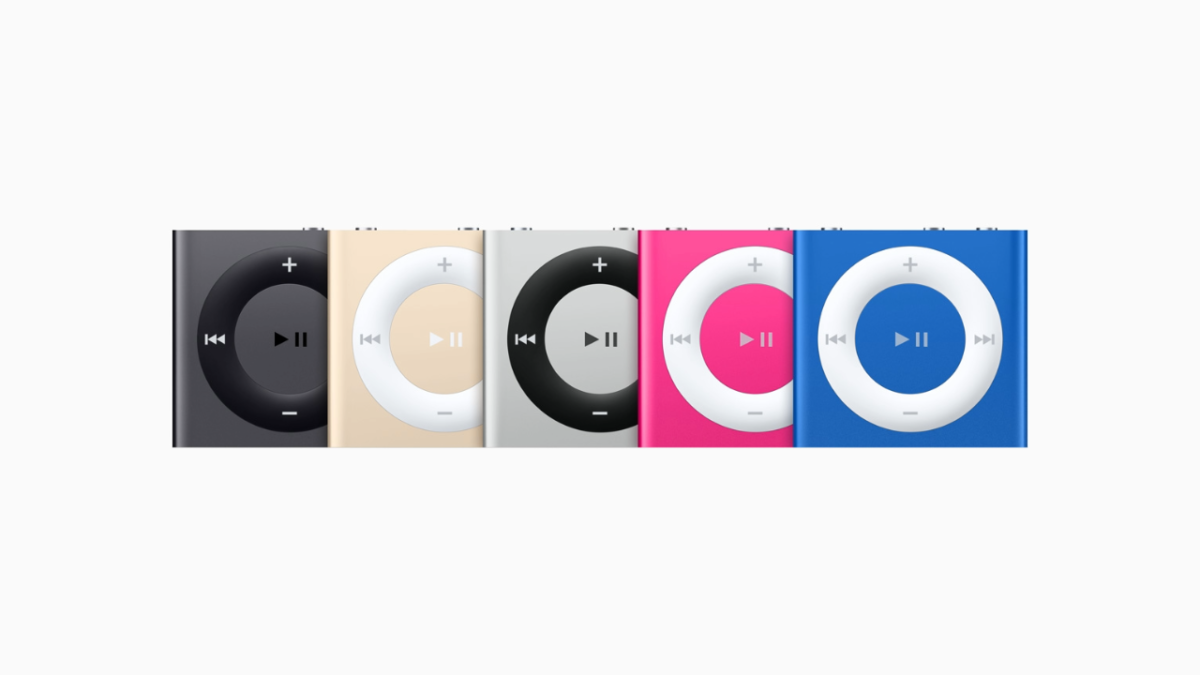
The 4th gen iPod Shuffle continued the compact, square design of its predecessor, with a smooth aluminum body available in multiple vibrant colors like blue, pink, silver, and gold. At just 29mm x 31.6mm and weighing only 12.5 grams, it was light enough to clip onto workout clothes or a backpack and forget it was even there.
It featured a clickable control pad on the front for Play, Pause, Skip, and Volume. This design brought back tactile functionality that fans missed in the button-less 3rd generation.
Music Storage: Compact Yet Capable
The Shuffle came with 2GB of flash storage — enough to hold hundreds of songs. While that might seem modest by today’s standards, it was perfect for curated playlists or workout mixes. The goal was never to store a full library but to streamline your listening experience.
Battery Life That Outperformed Expectations
Apple promised up to 15 hours of battery life on a single charge, and the Shuffle delivered. For a device this small, that was impressive. Whether on long runs or commutes, it offered uninterrupted music without needing a daily charge.
Voiceover: Accessibility Meets Convenience
One of its standout features was the VoiceOver button. With a simple press, users could hear the name of the current song, artist, or playlist — even battery status. It supported 29 languages and was powered by iTunes-generated voice files.
For many, this feature bridged the gap between screenless design and interactive control, making the Shuffle friendly for both accessibility users and those on the move.
iTunes Syncing & Playlist Support
Unlike streaming-first devices, the iPod Shuffle relied on iTunes to sync music. You could load multiple playlists, audiobooks, and even podcasts. The device supported shuffle and sequential playback, giving users control over how they wanted to experience their media.
Though this syncing requirement eventually felt dated, it reflected a time when music ownership and curation were central to the listening experience.
A Device Built for Movement
From gym-goers to marathon runners, the Shuffle was adored by active users. Its built-in clip, physical buttons, and light weight made it perfect for workouts. No notifications, no screen — just music. It became a go-to device for those who wanted to disconnect while staying active.
Why It Still Matters
While Apple officially discontinued the iPod Shuffle in 2017, its legacy remains. In an age dominated by screen fatigue, the Shuffle reminds us of a time when devices served a singular purpose, and did it well. Here’s why it still holds relevance:
- Simplicity: No apps, no distractions. Just music.
- Portability: Ultra-compact form factor.
- Durability: Aluminum body and solid battery.
- Accessibility: VoiceOver support for a screenless interface.
The End of an Era
Apple’s discontinuation of the Shuffle marked the end of the iPod era altogether. It was the last iPod without a screen and one of the final Apple devices with a 3.5 mm headphone jack. Its exit from the market left a nostalgic void for many who grew up during the golden era of iPods.
Final Thoughts
The iPod Shuffle (4th Gen) might have been small in size, but its impact on how we experience music is massive. It distilled Apple’s design philosophy into a tiny, effective form: intuitive, focused, and built to last.
Whether as a collector’s item, a workout companion, or a nostalgic reminder of simpler tech times, the iPod Shuffle remains a testament to how less can truly be more.
You May Also Like: iPhone SE: A Compact Powerhouse That Still Holds Up