DHS Orders DeepSeek Removed From Federal IT: What the Order Covers
 Nadin Lasko,
1 hour ago
4 min read
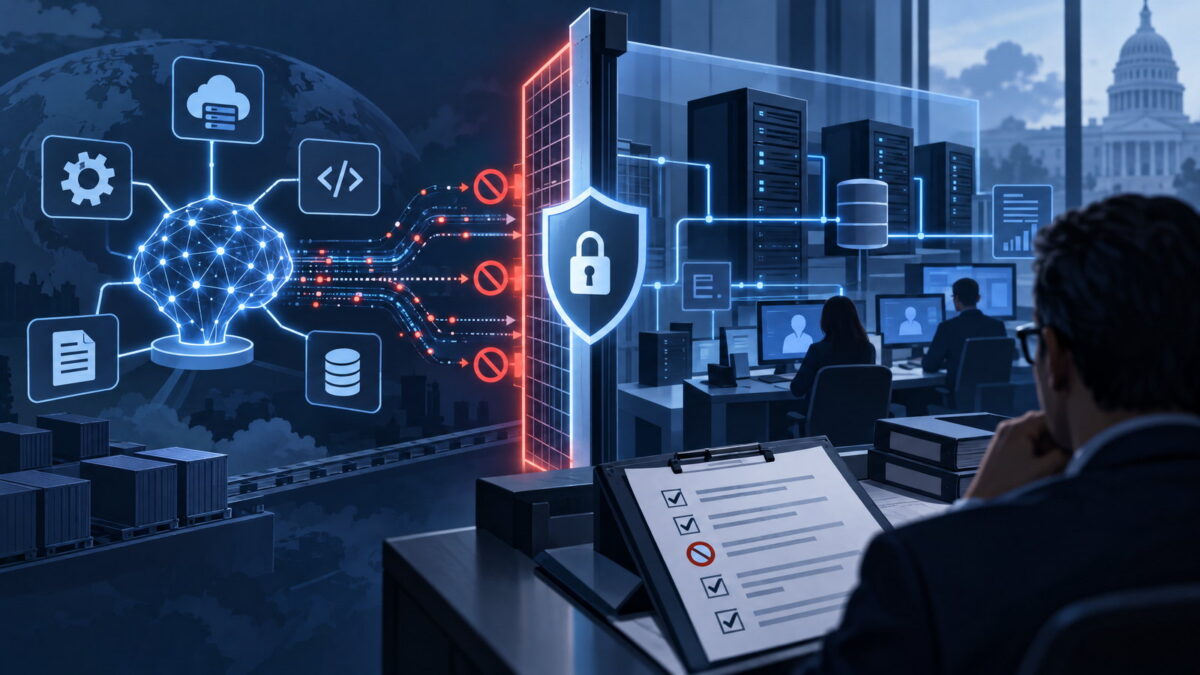
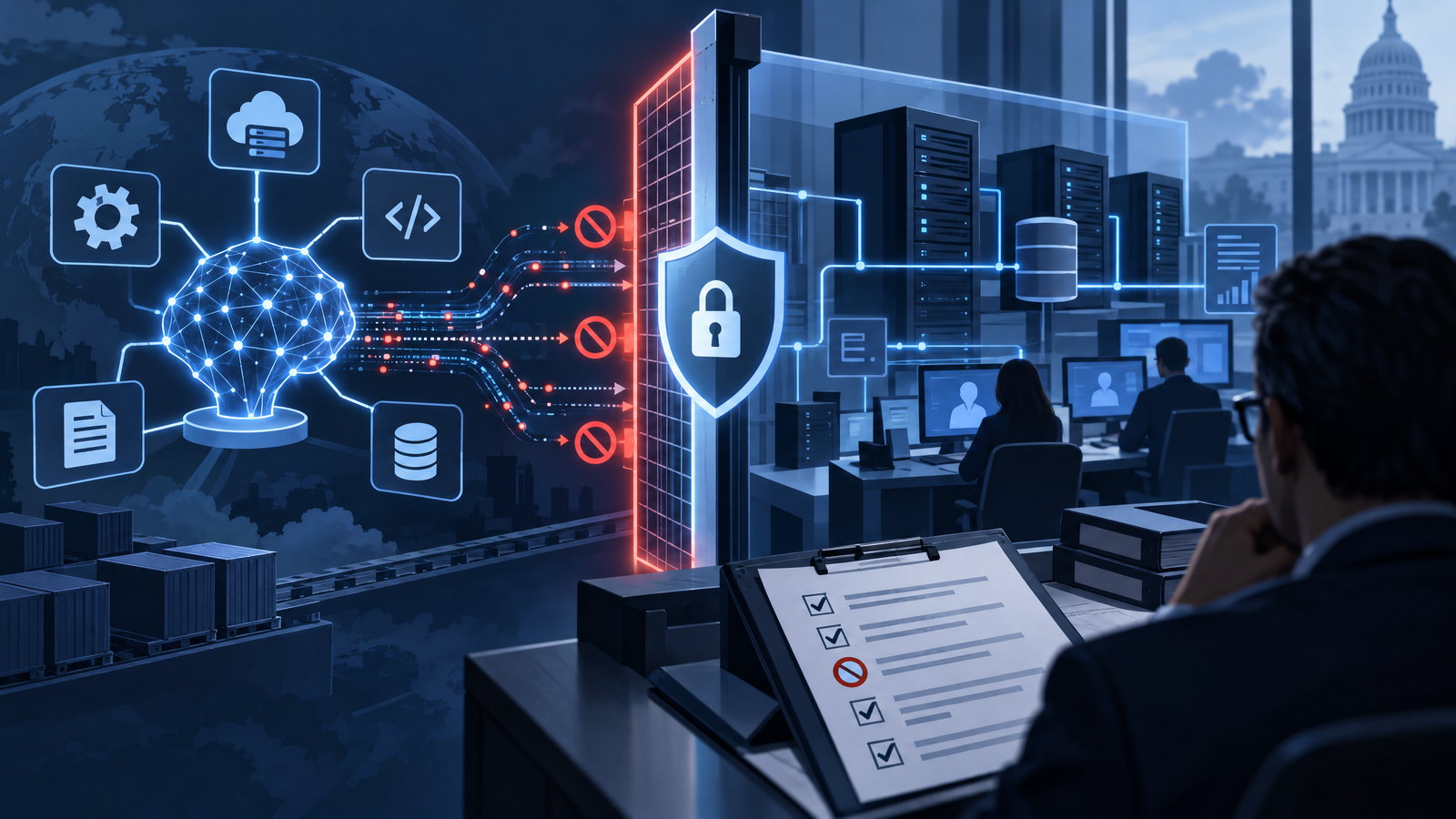
The U.S. Department of Homeland Security has ordered civilian federal agencies to remove DeepSeek-related technology from their IT systems and keep covered products out of future procurement. The order is narrower than a nationwide ban: it applies to federal civilian agency systems and purchasing, not to ordinary public use or every private company.
There is also an important timing detail. The signed DHS order lists an original release date of July 24, 2026. A notice about it was filed with the Federal Register on October 19 and scheduled for publication on October 20. That means the new development is public disclosure of an earlier order, rather than an order first issued on October 20. The official DHS order and Federal Register notice provide the underlying text.
What the DHS order covers
The order directs civilian federal agencies to exclude information-technology products and services developed by Hangzhou DeepSeek Artificial Intelligence and its affiliates from procurement. It also requires agencies to remove DeepSeek and affiliate products from their IT systems, along with third-party products and services developed using DeepSeek implementations.
The order was issued under the Federal Acquisition Supply Chain Security Act of 2018, following a recommendation and evidence review by the Federal Acquisition Security Council. Its stated scope is federal civilian executive-branch agencies. It excludes national security systems and secure compartmented information systems from its coverage.
For implementation, the order says agencies should remove covered products immediately after issuance or seek an exception. Requests must be submitted in writing to DHS within 60 days of the order and include a compelling justification and steps to mitigate risk. CISA reviews the requests. During removal, DHS encourages agencies to monitor network traffic, strengthen logging and watch for unusual data transfers.
Why DHS says it is acting
DHS cites potential security and data-protection risks. In the signed order, the department says DeepSeek’s China-based servers and its prompt-and-response model could expose sensitive information entered by government employees or vendors. It also raises concerns about malware and security vulnerabilities. These are DHS’s stated risks; the notice does not report a confirmed breach of federal systems.
Reuters’ report and Bloomberg’s coverage independently confirm the procurement and removal measures. The Wall Street Journal also reports that the restrictions extend to affiliates and third-party offerings built using DeepSeek implementations.
Does this ban DeepSeek for everyone in the U.S.?
No. The order is directed at civilian federal agencies and the technology they use or acquire. It does not announce a general prohibition on DeepSeek for U.S. consumers, developers or private-sector companies. A supplier may be affected when it provides a covered product or service to a federal agency, but the order is not a blanket ban on every product made by a company that uses AI.
That distinction matters because the policy is a federal supply-chain decision, not a finding that every use of DeepSeek is unsafe. The document sets out DHS’s risk assessment and the steps it requires agencies to take; it does not establish that sensitive user data has in fact been transferred to the Chinese government.
Why the order matters for AI vendors
The measure shows how national-security review can shape the government market for AI. Agencies must consider not only the model itself, but also third-party services built using it. Vendors that sell to the federal government may need to identify which models and components are embedded in their products and be ready to explain their data-handling and security controls.
For the wider AI industry, the order adds to the debate over data location, model supply chains and the difference between public access and government procurement. Its direct legal and operational scope remains limited to the covered civilian federal systems and purchasing process.
Frequently asked questions
When was the DeepSeek order issued?
The signed order lists July 24, 2026, as its original release date. DHS’s notice was filed with the Federal Register on October 19 and scheduled for publication on October 20, 2026.
Which DeepSeek products are affected?
The order covers DeepSeek and affiliate IT products and services in civilian federal agency procurement and IT systems, as well as third-party products and services developed using DeepSeek implementations.
Can a federal agency request an exception?
Yes. The order provides an exception process. Agencies must submit a written request to DHS within 60 days of issuance, explain why an exception is compelling and describe risk-mitigation steps.
DHS Orders DeepSeek Removed From Federal IT: What the Order Covers