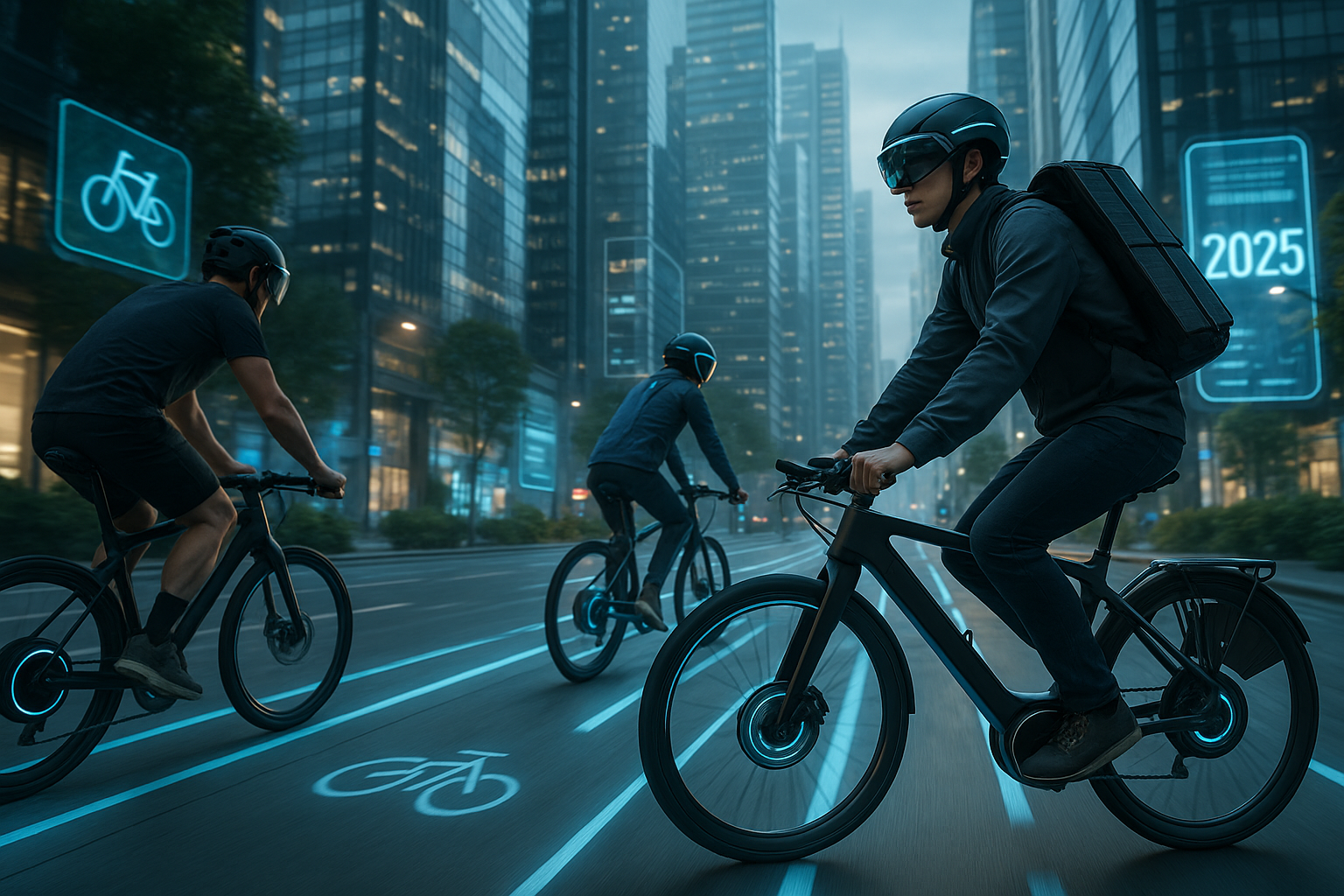
5 Most Powerful Bike Technologies Revolutionizing Smart Mobility in 2025
 Gaurav Uttamchandani,
12 months ago
4 min read
Gaurav Uttamchandani,
12 months ago
4 min read
Table of Contents
Introduction
The future of urban mobility is fast, clean, and connected—and bikes are at the center of this transformation. With growing environmental concerns, traffic congestion, and the global push toward sustainable living, bicycles are no longer just an alternative—they’re becoming the smarter, greener choice for daily transport.
In 2025, smart mobility is defined by the integration of advanced technologies, and bikes are now equipped with features once reserved for electric cars and high-end gadgets. From AI-driven navigation to regenerative charging, here are the 5 most powerful bike technologies revolutionizing smart mobility this year.
AI-Based Adaptive Riding Systems
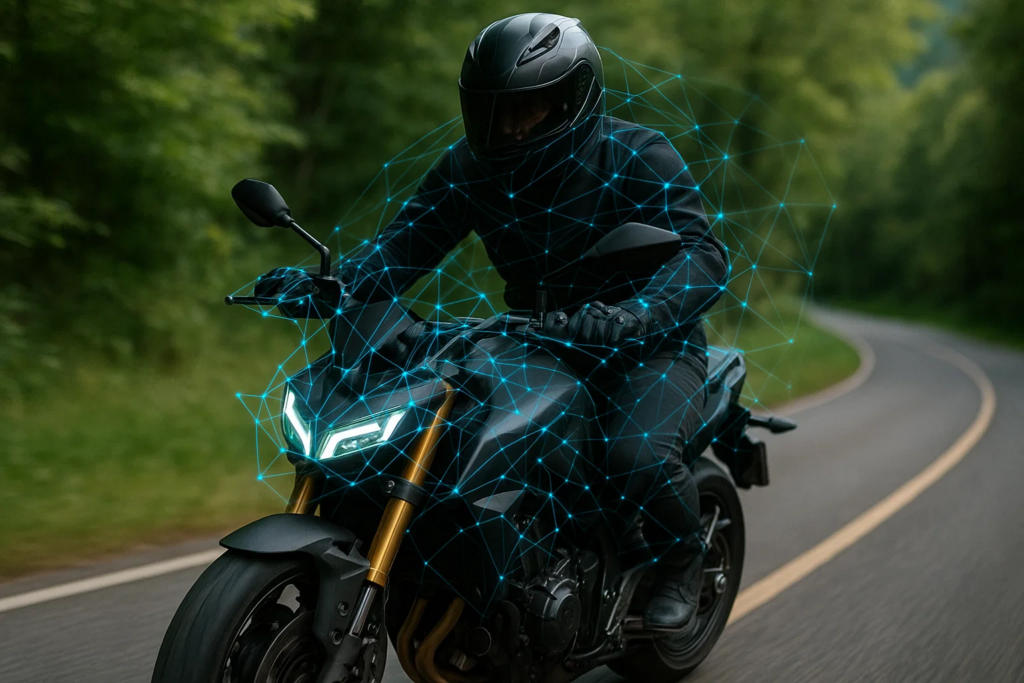
Bikes are getting smarter—literally. Modern e-bikes now come with AI-driven adaptive systems that personalize the riding experience based on terrain, rider behavior, and environmental factors.
Key Features:
- Automatic gear shifting based on slope and cadence
- Motor assistance adjusted in real-time to conserve battery
- AI learns rider habits and suggests energy-saving routes
Example: VanMoof and Urtopia bikes now use AI to optimize pedal assist and route efficiency, helping urban commuters ride smarter, not harder.
Smart Helmets with AR & Safety Tech

Helmets have evolved beyond head protection—they’re now smart mobility devices in themselves. In 2025, smart helmets include augmented reality (AR) displays, voice-controlled navigation, and real-time collision alerts.
What’s Inside:
- Built-in front and rear cameras for 360° awareness
- Turn-by-turn AR directions in visor HUD
- SOS alerts to emergency contacts after a crash
- Bone conduction speakers for music and voice commands
Example: The LIVALL EVO21 and UNIT 1 Faro smart helmets combine visibility, communication, and crash detection in sleek, lightweight designs.
Self-Charging & Regenerative E-Bikes
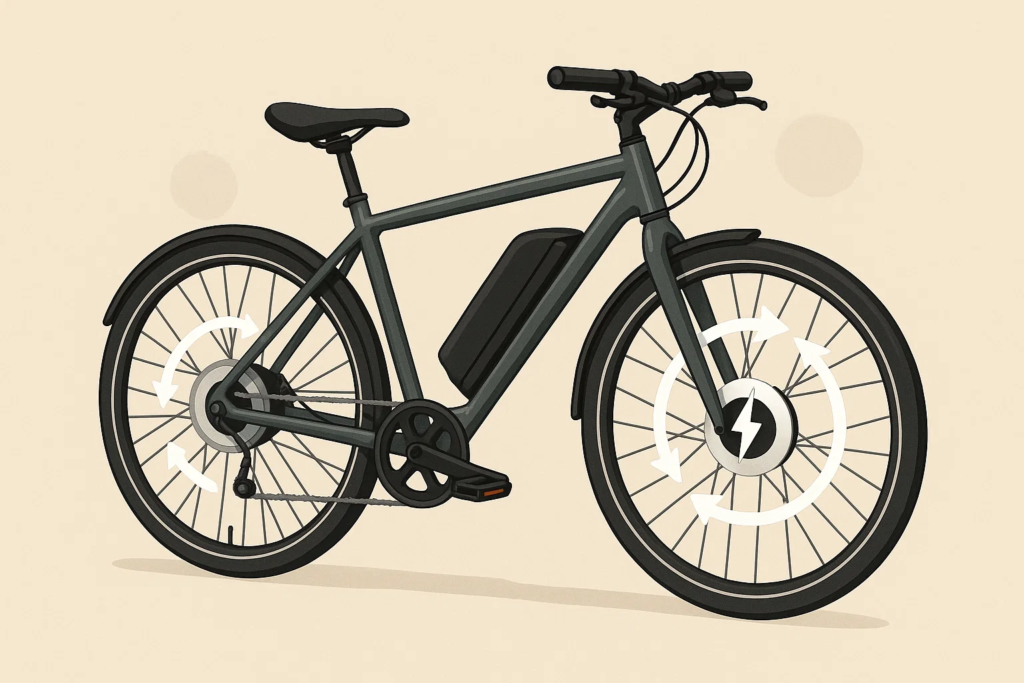
Battery anxiety is no longer a barrier for electric bike riders. The latest tech enables regenerative braking, solar panel integration, and kinetic charging systems that extend battery life significantly.
Smart Charging Tech:
- Regenerative braking recharges battery on downhill rides
- Solar panel attachments offer daytime power boosts
- Pedal-powered systems convert physical effort into battery life
Example: The Pi-Pop bike uses supercapacitors instead of lithium-ion batteries, offering sustainable energy reuse with minimal environmental impact.
IoT-Enabled Bike Connectivity & Tracking
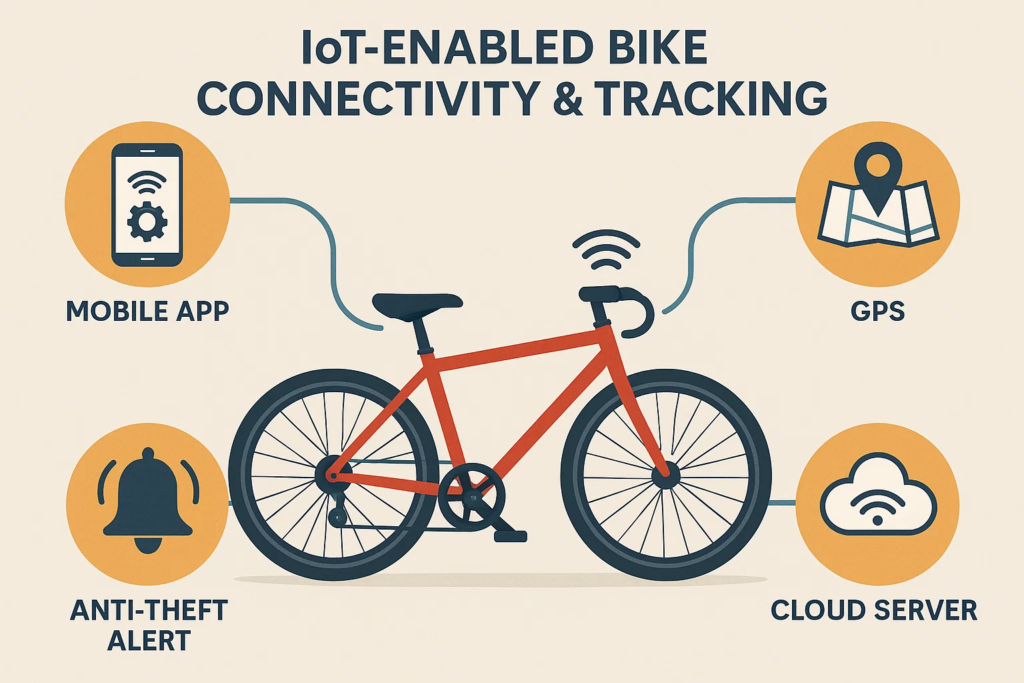
In the age of smart homes and connected cars, bicycles are now IoT-powered. Modern bikes come with embedded sensors and GPS that sync to your smartphone or smartwatch for full connectivity.
Top Features:
- Real-time theft alerts and geofencing
- Automatic crash detection and ride logging
- Lock/unlock via smartphone or fingerprint
- Integration with smart traffic systems and city infrastructure
Example: Cowboy’s latest models offer app-based control, over-the-air updates, and real-time performance diagnostics via Bluetooth and 4G.
See Also: The Future of Performance Marketing: Trends, Technologies, and Strategies
Voice-Controlled Navigation & Assistants
Hands-free operation is a major safety feature—and bikes in 2025 now come with voice-enabled AI assistants for effortless interaction while riding.
Use Cases:
- Ask for nearest bike repair stations
- Request voice navigation to avoid high-traffic areas
- Get real-time weather, battery stats, or performance metrics
- Send messages or control music without taking hands off the handlebars
Example: Urtopia’s ChatGPT-integrated e-bike lets riders ask questions, change ride modes, or get safety updates through voice prompts.
Why This Tech Revolution Matters
With urban infrastructure shifting toward smart cities, the rise of intelligent bikes is not just about convenience—it’s about:
- Reducing carbon emissions
- Easing traffic in congested metros
- Enhancing rider safety and security
- Making mobility more inclusive and data-driven
According to Statista, global e-bike sales are projected to reach 50 million units annually by 2027, and much of this growth will be fueled by technological innovation.
Final Thoughts: Pedal Into the Future
The evolution of bike technology is helping us reimagine what urban commuting looks like. No longer just a two-wheeled alternative, the smart bike is becoming a personal mobility platform—responsive, intelligent, and sustainable.
Whether you’re a city commuter, delivery rider, or weekend explorer, the future of cycling promises more freedom, more safety, and more connectivity than ever before.
Want more tech-forward mobility insights?
Stay tuned to iTMunch for the latest on smart cities, transportation tech, AI innovation, and sustainable solutions shaping our world in 2025 and beyond.