Claude Duet: What Anthropic’s New Proactive AI Agent Can—and Can’t—Do
 Nadin Lasko,
1 hour ago
3 min read
Quick answer: Claude Duet is Anthropic’s new proactive AI agent for professionals and small businesses. It can prepare briefings, monitor connected work apps and continue delegated tasks in the background. The research preview is waitlisted and limited to U.S. Pro and Max subscribers; it is not a general launch.
Anthropic opened the preview on October 21, 2026. Duet is available through a standalone iOS and Android app and on claude.ai, and is powered by Claude Opus 5.5, according to Anthropic’s announcement and product FAQ.
What is Claude Duet?
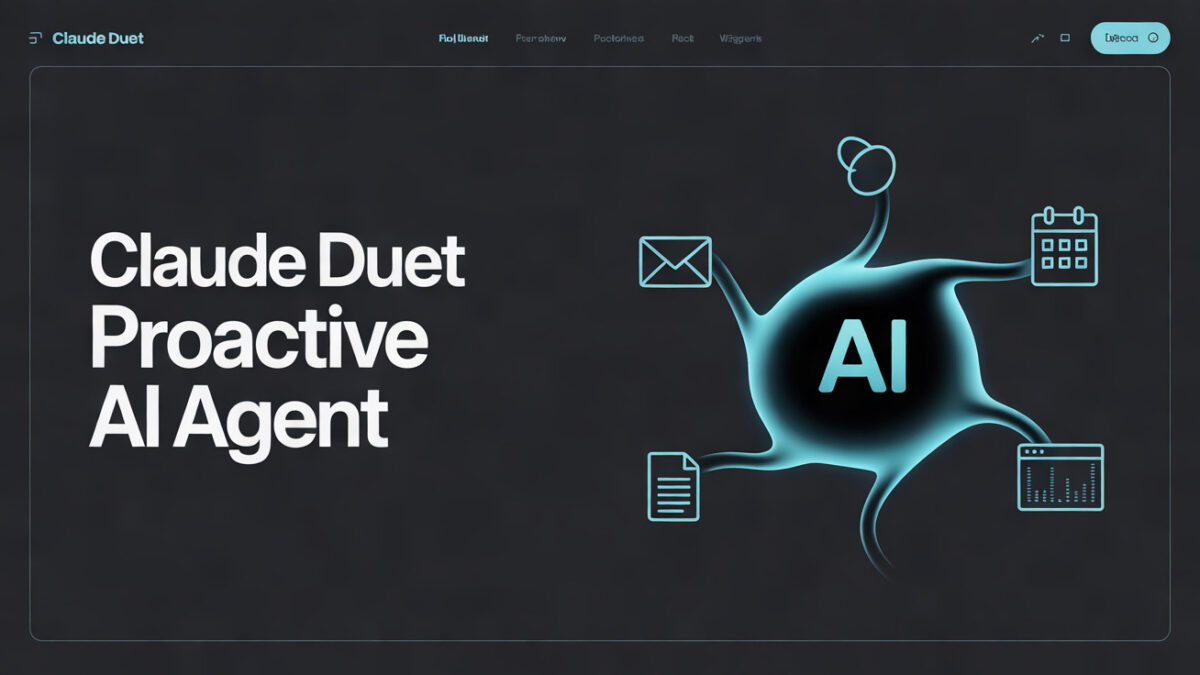
Unlike a chatbot that waits for a question, Duet is designed to check connected apps, bring forward work that may need attention and carry out tasks users delegate. Anthropic says it can send a morning brief, flag inbox or calendar items, draft replies for approval, help set up meetings and create dashboards or business documents. The product page says Duet works with more than 6,000 connectors and plugins; Reuters reports that examples include Gmail and Slack.
The idea is to move from asking an AI one question at a time to handing it work that continues between conversations. That may help with routine follow-up, but it also gives the software more context and more opportunities to misunderstand what matters.
Who can use Claude Duet?
For now, access is through a waitlist for U.S. subscribers on Claude Pro and Max plans. Team and Enterprise plans are not included in the preview, according to Anthropic’s availability FAQ. Duet shares the usage limits of the subscriber’s Claude plan, and background checks and larger tasks draw on that allowance.
That makes the launch an early test rather than a tool that every Claude customer can switch on today. Reuters and CNBC also describe the preview as limited to Pro and Max subscribers, with rollout by waitlist.
What can Claude Duet do—and where are the limits?
Anthropic says Duet can keep working while the user steps away and will ask before sensitive operations such as sending messages or making payments. The company also says its credential and safety systems are designed to keep passwords and sign-in tokens away from the agent itself. These are Anthropic’s descriptions of its safeguards, not an independent guarantee that connected accounts are risk-free.
The company warns that Duet may misread a conversation, judge urgency incorrectly or miss an item that arrives between checks. Reuters reports that Anthropic considers it less effective at some personal tasks, such as booking tickets. A useful briefing is not the same as a complete inbox audit, and a drafted action still deserves human review.
For anyone testing a proactive agent, the practical questions are which apps it can access, what it may do without approval, how much background activity consumes the plan’s limits and how users can inspect or stop its work. Start with only the integrations needed, review its permissions and keep human approval on for consequential actions.
Why Claude Duet matters in the AI-agent race
Anthropic is entering a fast-moving market for agents that can work across apps rather than simply answer prompts. Reuters and CNBC place Duet alongside OpenAI’s Dots and Meta’s Muse, though the products have different audiences and capabilities. Duet’s focus is workplace and small-business tasks, not a promise to manage every personal errand.
The launch’s real test will be whether users trust the agent’s judgment enough to delegate recurring work. For now, Claude Duet is an early, waitlisted preview with useful ideas and stated safeguards—but also acknowledged limits. Treat its suggestions as a starting point, verify important details and review actions before they affect customers, colleagues or money.
Sources: Anthropic: Introducing Claude Duet · Anthropic: Claude Duet product FAQ · Reuters · CNBC.
Claude Duet: What Anthropic’s New Proactive AI Agent Can—and Can’t—Do