AI Smart Glasses: The Next Big Device Transforming B2B Productivity
 Vansh Banthia,
6 months ago
4 min read
Vansh Banthia,
6 months ago
4 min read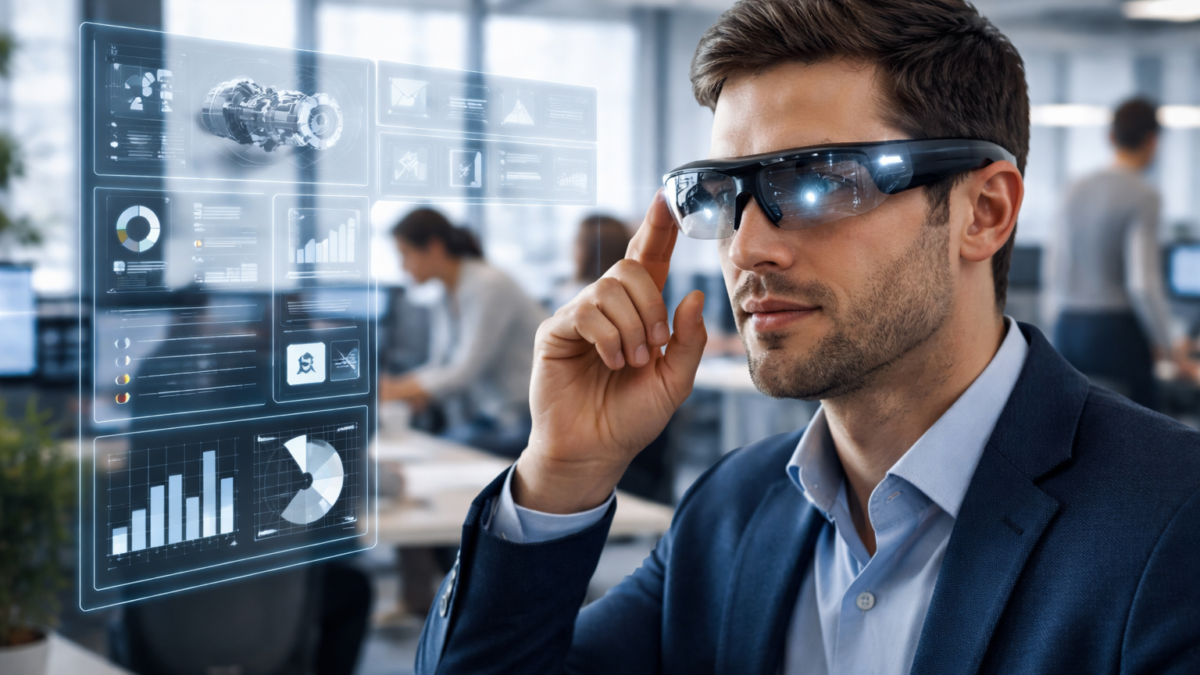
The next wave of business transformation won’t come from software alone—it will come from how we interact with technology. In 2026, one device category is rapidly gaining momentum across industries: AI smart glasses.
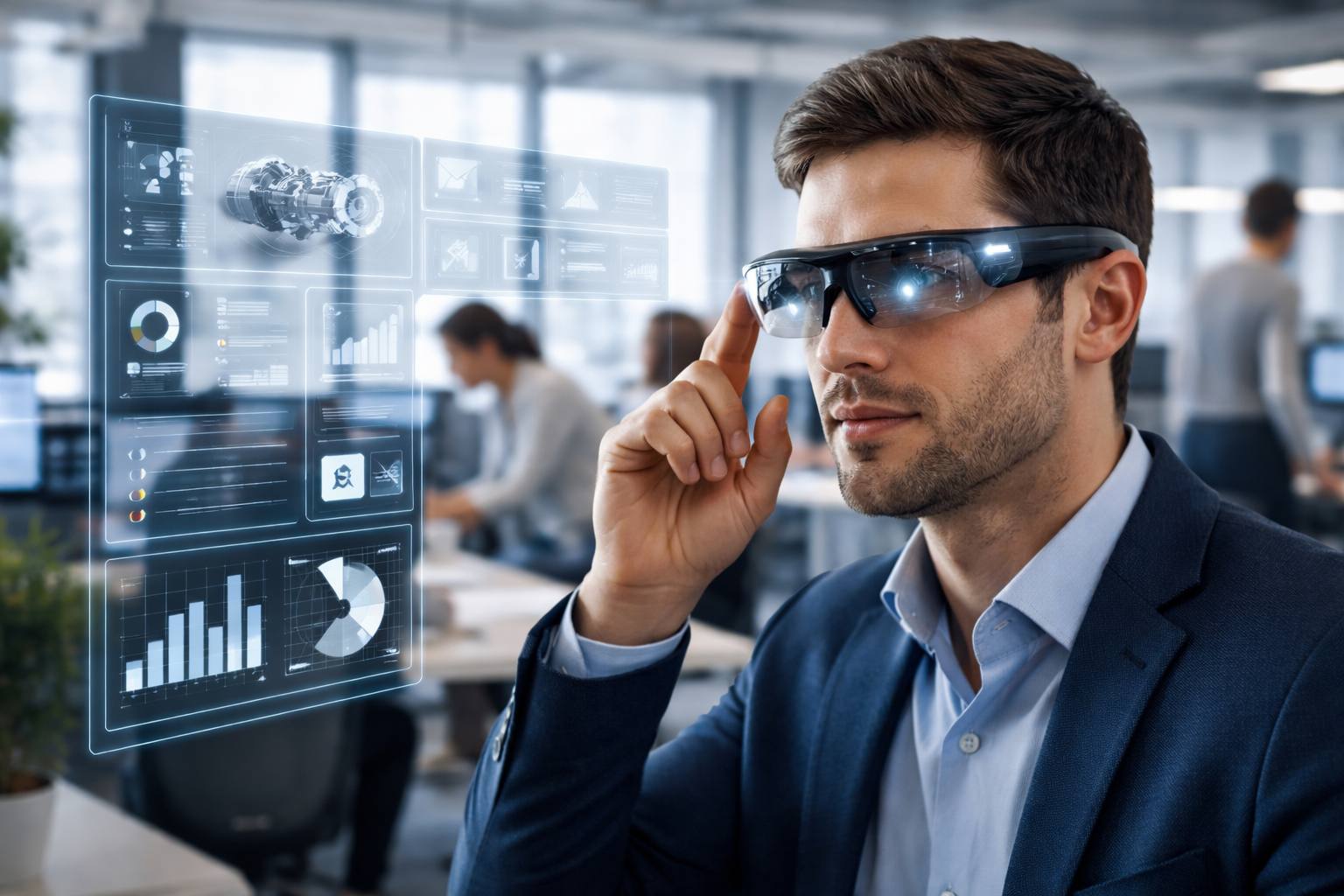
Once considered futuristic, AI-powered smart glasses are now evolving into practical business tools. With real-time data overlays, voice-controlled assistants, and augmented reality (AR) capabilities, these devices are redefining how teams operate in the field, on the floor, and even in meetings.
For B2B companies, this isn’t just innovation—it’s a competitive advantage.
What Are AI Smart Glasses?
AI smart glasses are wearable devices that combine augmented reality, artificial intelligence, and real-time data processing into a hands-free interface.
Instead of switching between screens, users can:
- Access data in real time
- Receive AI-driven insights
- Communicate without devices
- Interact with systems using voice or gestures
These devices are part of a larger shift toward AI wearables, which integrate intelligence directly into everyday tools and environments.
Why AI Smart Glasses Matter for Businesses
The biggest shift here isn’t just hardware—it’s interface evolution.
For decades, businesses have relied on screens—desktops, laptops, smartphones. AI smart glasses remove that dependency, enabling context-aware computing.
1. Hands-Free Productivity
Field workers, engineers, and technicians can access instructions, schematics, or analytics without stopping their work.
Imagine:
- A warehouse worker receiving picking instructions in real time
- A technician seeing repair steps overlaid on machinery
- A doctor accessing patient data during procedures
This reduces downtime and increases efficiency.
2. Real-Time Decision Making
AI smart glasses provide instant insights based on surroundings.
Instead of checking dashboards later, employees can:
- Analyze situations on the spot
- Get alerts and recommendations
- Act immediately
This is particularly powerful in industries like logistics, healthcare, and manufacturing.
3. Training and Remote Assistance
Training becomes immersive and scalable.
With AR overlays and AI guidance:
- New employees learn faster
- Experts can guide remotely
- Errors are reduced significantly
Companies can cut training time while improving output quality.
4. Reduced Operational Friction
Switching between devices kills productivity.
AI smart glasses streamline workflows by:
- Eliminating device dependency
- Reducing manual input
- Automating routine tasks
The result? Faster operations with fewer bottlenecks.
Real-World Use Cases Across Industries
AI smart glasses are not theoretical—they’re already being explored and deployed.
Manufacturing
Workers receive step-by-step instructions and safety alerts directly in their field of view.
Logistics & Supply Chain
Warehouse staff can optimize picking routes and inventory management in real time.
Healthcare
Doctors and clinicians can access AI-generated notes and patient data instantly, improving efficiency and reducing administrative burden.
Field Services
Technicians can troubleshoot equipment with remote expert support and AR overlays.
The Technology Behind the Hype
What makes AI smart glasses viable now—after years of failed attempts—is the convergence of multiple technologies:
- Edge AI processing (faster, on-device computing)
- Advanced sensors and cameras
- Improved battery efficiency
- Lightweight, wearable designs
There’s also a renewed push from major tech players investing heavily in AI hardware and wearables, signaling long-term potential.
Challenges to Consider
Despite the promise, adoption isn’t frictionless.
Privacy Concerns
Devices with cameras and microphones raise concerns around surveillance and data security.
Cost and Scalability
Initial investment can be high, especially for enterprise-wide deployment.
User Adoption
Employees may resist new interfaces without proper training and onboarding.
Battery and Performance Limits
Wearables still face constraints in power and long-term usage.
However, as technology matures, these challenges are expected to reduce significantly.
How Businesses Can Leverage AI Smart Glasses Today
To truly benefit, companies must move beyond experimentation and adopt a strategic approach:
Start with High-Impact Use Cases
Focus on areas where hands-free access and real-time insights create immediate value.
Integrate with Existing Systems
Connect smart glasses with CRM, ERP, and analytics platforms for seamless workflows.
Prioritize Training
Ensure employees are comfortable using the technology.
Measure ROI Early
Track improvements in efficiency, error rates, and productivity.
The Future of Work Is Wearable
AI smart glasses represent more than just a new gadget—they signal a shift toward ambient computing, where technology blends seamlessly into human activity.
As businesses look for ways to increase efficiency, reduce costs, and empower teams, devices like these will become essential tools rather than optional upgrades.
How iTMunch Helps You Stay Ahead
At iTMunch, we help B2B brands stay ahead of emerging trends like AI wearables by combining content, demand generation, and strategic insights.
Whether it’s educating your audience, generating leads, or positioning your brand in a fast-evolving tech landscape, iTMunch ensures you don’t just follow trends—you lead them.
Final Thought
The companies that win in 2026 and beyond won’t just adopt AI—they’ll adopt the interfaces that make AI usable in real time.
AI smart glasses are one of the first steps in that direction.
And for businesses willing to embrace them early, the upside is massive.