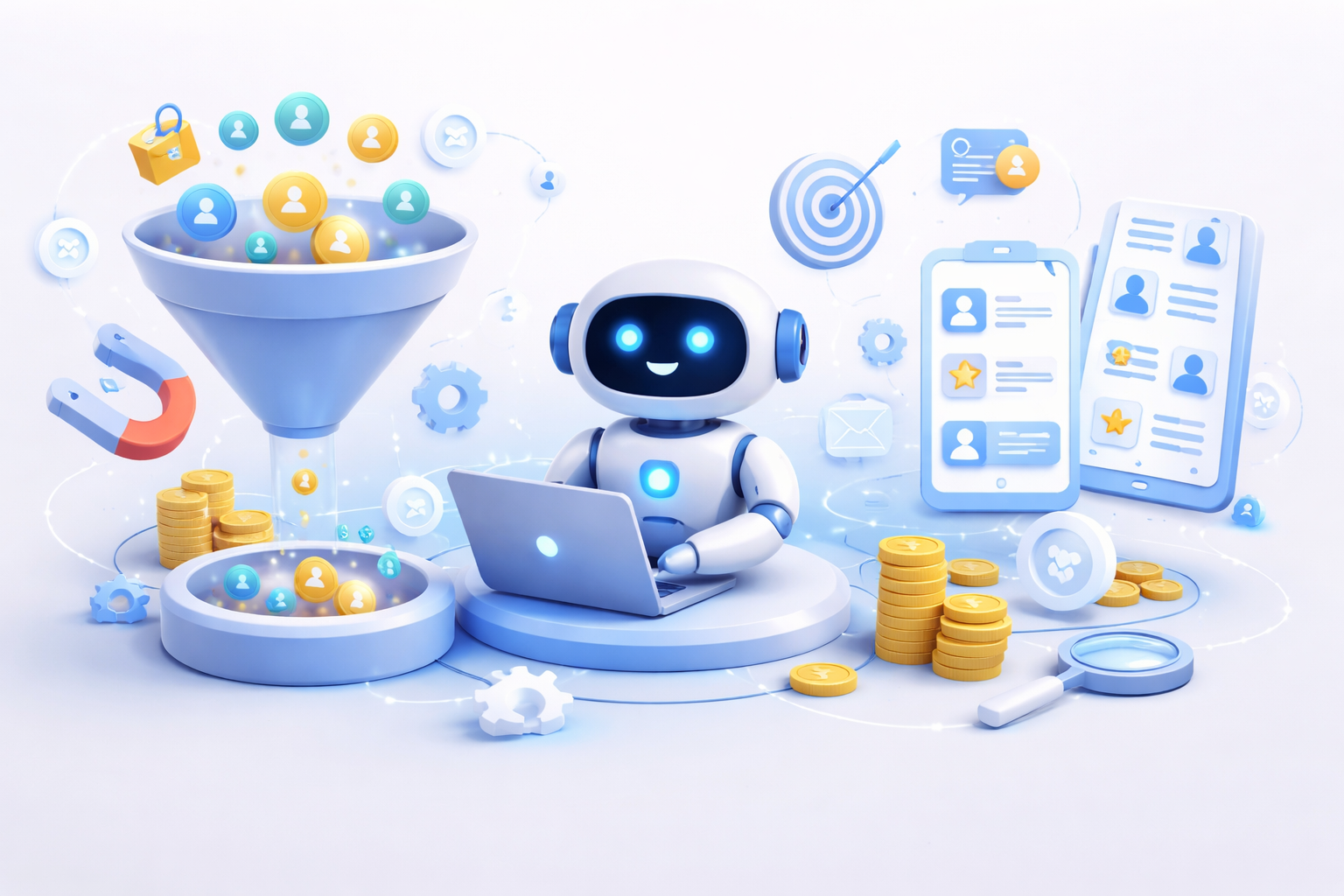
AI-Driven Demand Generation: How B2B Marketers Are Building Smarter Pipelines in 2026
 Vansh Banthia,
2 months ago
4 min read
Vansh Banthia,
2 months ago
4 min read
Demand generation has always been at the heart of B2B marketing. However, as buyer journeys become more complex and digital touchpoints multiply, traditional demand generation strategies are no longer sufficient. Generic campaigns, broad targeting, and manual segmentation often fail to reach the right decision-makers at the right time.
Artificial Intelligence is changing that.
Today, AI-driven demand generation is helping marketing teams analyze massive datasets, predict buyer intent, personalize outreach, and optimize campaigns in real time. For organizations looking to build stronger pipelines and accelerate revenue growth, AI is quickly becoming an essential component of modern marketing strategies.
As B2B companies adapt to an increasingly competitive landscape, the integration of AI into demand generation workflows is redefining how businesses attract, nurture, and convert potential customers.
The Evolution of Demand Generation in B2B Marketing
Traditional demand generation focused heavily on volume—driving as many leads as possible through campaigns such as email marketing, paid ads, and content downloads. While this approach generated visibility, it often produced large numbers of low-quality leads that required extensive qualification.
Modern demand generation takes a more strategic approach. Instead of prioritizing quantity, marketers now focus on identifying high-intent prospects who are more likely to convert.
AI enables this shift by analyzing behavioral signals across multiple channels, including website activity, email engagement, content consumption, and CRM data. By recognizing patterns within this data, AI tools can predict which prospects are most likely to enter the buying cycle.
This level of insight allows marketing teams to allocate resources more efficiently and prioritize leads with the highest revenue potential.
How AI Is Transforming Demand Generation
Predictive Lead Scoring
One of the most impactful applications of AI in demand generation is predictive lead scoring. Instead of relying on basic demographic criteria, AI models analyze historical data and engagement patterns to determine the likelihood that a lead will convert.
This enables marketing and sales teams to focus their efforts on prospects who demonstrate genuine buying intent.
Predictive lead scoring also improves alignment between marketing and sales departments by ensuring that only qualified leads move further into the pipeline.
Hyper-Personalized Campaigns
Personalization is no longer optional in B2B marketing. Decision-makers expect content and communication that directly addresses their specific challenges and industry needs.
AI tools can analyze customer data to create highly personalized campaigns at scale. From tailored email messaging to dynamic website experiences, AI helps marketers deliver relevant content to each prospect based on their behavior and preferences.
This approach not only increases engagement but also significantly improves conversion rates.
Real-Time Campaign Optimization
Marketing campaigns often require constant adjustments to maximize performance. AI-driven platforms can monitor campaign metrics in real time and automatically optimize targeting, messaging, and budget allocation.
By continuously analyzing performance data, AI systems identify which strategies generate the best results and adjust campaigns accordingly.
This automation allows marketing teams to focus on strategy and creativity while AI handles data analysis and optimization.
The Role of Data in AI-Powered Demand Generation
AI-driven marketing strategies rely heavily on high-quality data. Without accurate and comprehensive data sources, even the most advanced AI tools cannot deliver meaningful insights.
B2B organizations must prioritize building strong data ecosystems that integrate information from multiple sources, including CRM systems, marketing automation platforms, and website analytics.
Clean, well-structured data enables AI models to detect patterns more effectively and generate actionable insights that improve targeting and campaign performance.
As companies continue to adopt AI technologies, data management and governance will become increasingly critical components of marketing success.
Aligning AI with Sales and Marketing Teams
Successful demand generation requires strong collaboration between marketing and sales teams. AI can serve as a powerful bridge between these departments by providing shared insights into customer behavior and buying signals.
When both teams operate with access to the same predictive analytics and engagement data, it becomes easier to coordinate outreach strategies and prioritize high-value prospects.
This alignment not only improves lead conversion rates but also accelerates the overall sales cycle.
Building a Future-Ready Demand Generation Strategy
Adopting AI-driven demand generation does not mean replacing human expertise. Instead, it involves combining data-driven insights with strategic marketing creativity.
Organizations looking to implement AI in their demand generation efforts should begin by evaluating their current data infrastructure, identifying key performance metrics, and selecting AI tools that integrate seamlessly with existing systems.
Equally important is investing in team training to ensure marketers understand how to interpret AI-generated insights and apply them effectively.
When implemented thoughtfully, AI can significantly enhance marketing efficiency while empowering teams to make smarter decisions.
The Future of Demand Generation
The future of B2B demand generation will be defined by intelligence, personalization, and automation. As AI technologies continue to evolve, marketing teams will gain even deeper insights into buyer behavior and intent.
This will enable organizations to create more targeted campaigns, nurture leads more effectively, and build stronger relationships with potential customers.
For B2B marketers seeking to stay competitive in a rapidly evolving digital landscape, embracing AI-driven demand generation is no longer just an advantage—it is a necessity.
Businesses that successfully integrate AI into their marketing strategies will be better equipped to identify opportunities, optimize campaigns, and drive sustainable pipeline growth in the years ahead.