Enhancing Road Safety: How New AI Technology Detects Drunk Drivers
 Zainab Polan,
2 years ago
3 min read
Zainab Polan,
2 years ago
3 min read
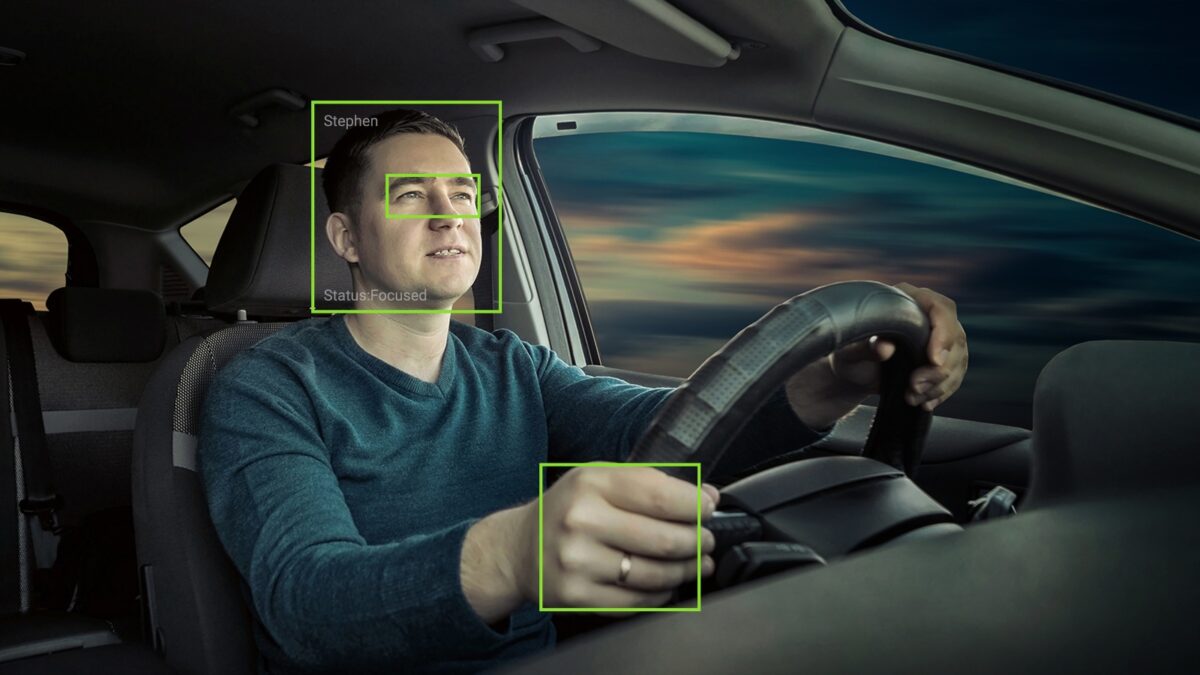
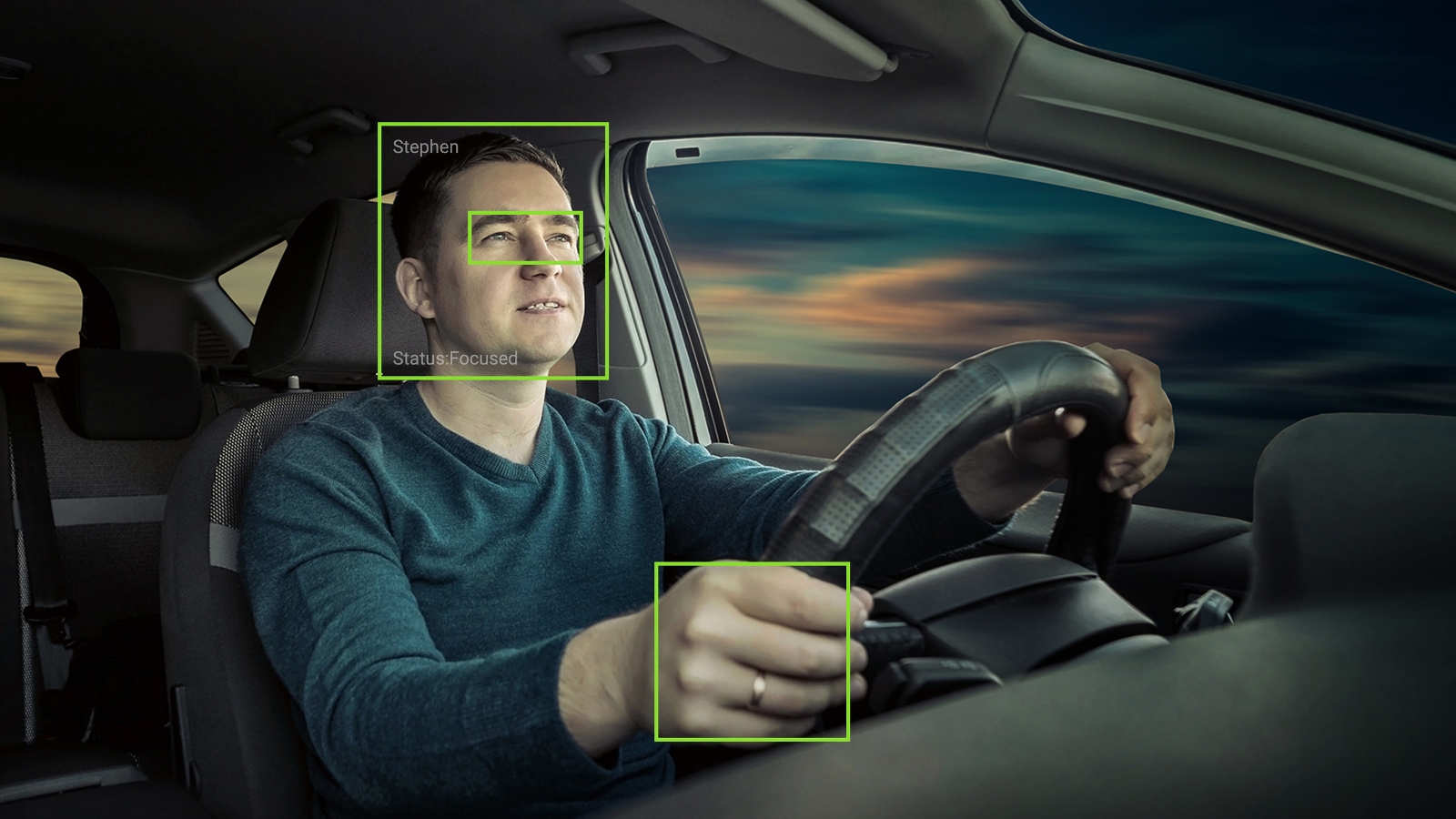
Imagine getting in your car and having it check if you’re safe to drive. This might be closer than you think. The fight against drunk driving is getting a high-tech upgrade. Researchers in Australia have developed a groundbreaking AI system that can identify signs of intoxication in drivers simply by analyzing their faces with a regular camera installed inside the car. This innovative approach has the potential to revolutionize how we prevent drunk driving accidents.
Currently, law enforcement relies on observing erratic driving behavior, like swerving or speeding, to pull over suspected drunk drivers. This new AI system takes a proactive approach. It can monitor the driver’s face as soon as they get behind the wheel, offering the potential to prevent accidents before they even happen.
Under the Hood of the AI System
So, how exactly does this AI system work? Unlike traditional breathalyzers, it doesn’t require any physical contact. Here’s a breakdown of the technology:
- Facial Feature Analysis: A single camera mounted inside the car continuously monitors the driver’s face. The AI subsequently examines facial features, including eye movement, head position, and expressions.
- Identifying Signs of Intoxication: The AI is trained to identify common visual cues associated with drunkenness, such as bloodshot eyes, flushed cheeks, and drooping eyelids. By comparing these features to a vast database, the system can assess the driver’s potential level of intoxication.
Faster and More Accurate Detection with Real-Time Benefits
This AI system boasts an impressive 75% accuracy rate in detecting drunk drivers. This is a significant improvement because it allows for much earlier intervention compared to traditional methods.
Current methods require the car to be moving for data collection, often after a potential issue has already arisen. This AI system can identify intoxication before the driver even starts driving, offering a crucial window to prevent accidents.
Saving Lives on the Road: The Impact of AI on Drunk Driving
Drunk driving is a devastating global problem. According to the World Health Organization (WHO), alcohol impairment is a factor in a staggering 20% to 30% of fatal car accidents worldwide. In some countries, like Australia where this research originated, the statistics are even more alarming, with over 30% of fatal crashes involving drivers exceeding the legal blood alcohol limit.
This AI system has the potential to significantly reduce these alarming statistics. By identifying drunk drivers before they get on the road, it could prevent them from causing accidents in the first place.
The Future of AI and Road Safety: Beyond In-Vehicle Detection
The researchers are constantly working to improve the system’s accuracy and expand its reach. Here’s a preview of what the future may bring:
- Enhanced Accuracy: The research team is focused on refining the system by increasing the resolution of the camera data processed by the AI. This will lead to even more accurate results and wider adoption of the technology.
- Roadside Surveillance Cameras: Discussions are underway to explore incorporating similar AI features into roadside surveillance cameras. This would extend the reach of this technology beyond individual vehicles, creating a wider safety net on our roads.
In Conclusion: A Promising Future for AI in Road Safety
The development of AI-powered drunk driver detection is a significant milestone in the fight against drunk driving. While challenges regarding privacy and implementation remain, the potential benefits for road safety are undeniable. As we move forward, prioritizing responsible development and fostering public trust will be crucial in paving the way for a future with fewer drunk driving tragedies and safer roads for all.
You may also like: The Evolution of Transportation: AI and the Road to Autonomous Vehicles