Blockchain Beyond Crypto: 5 Industries Leveraging Blockchain in 2025
 Gaurav Uttamchandani,
11 months ago
4 min read
Gaurav Uttamchandani,
11 months ago
4 min read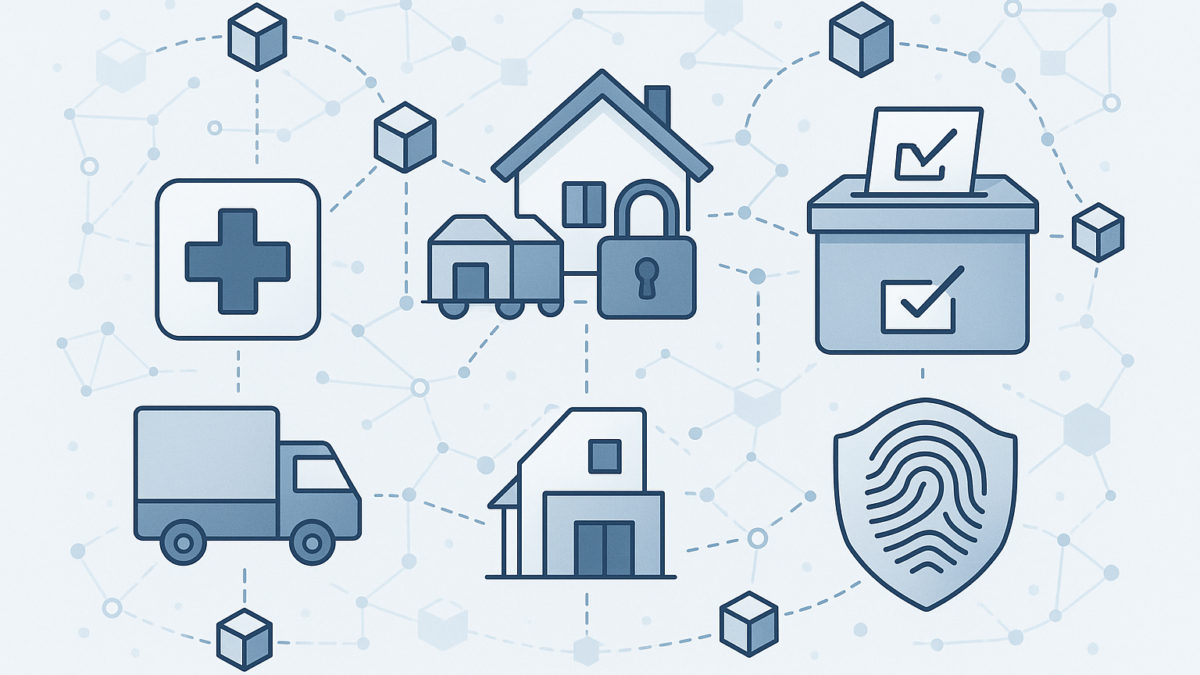
Table of Contents
Introduction
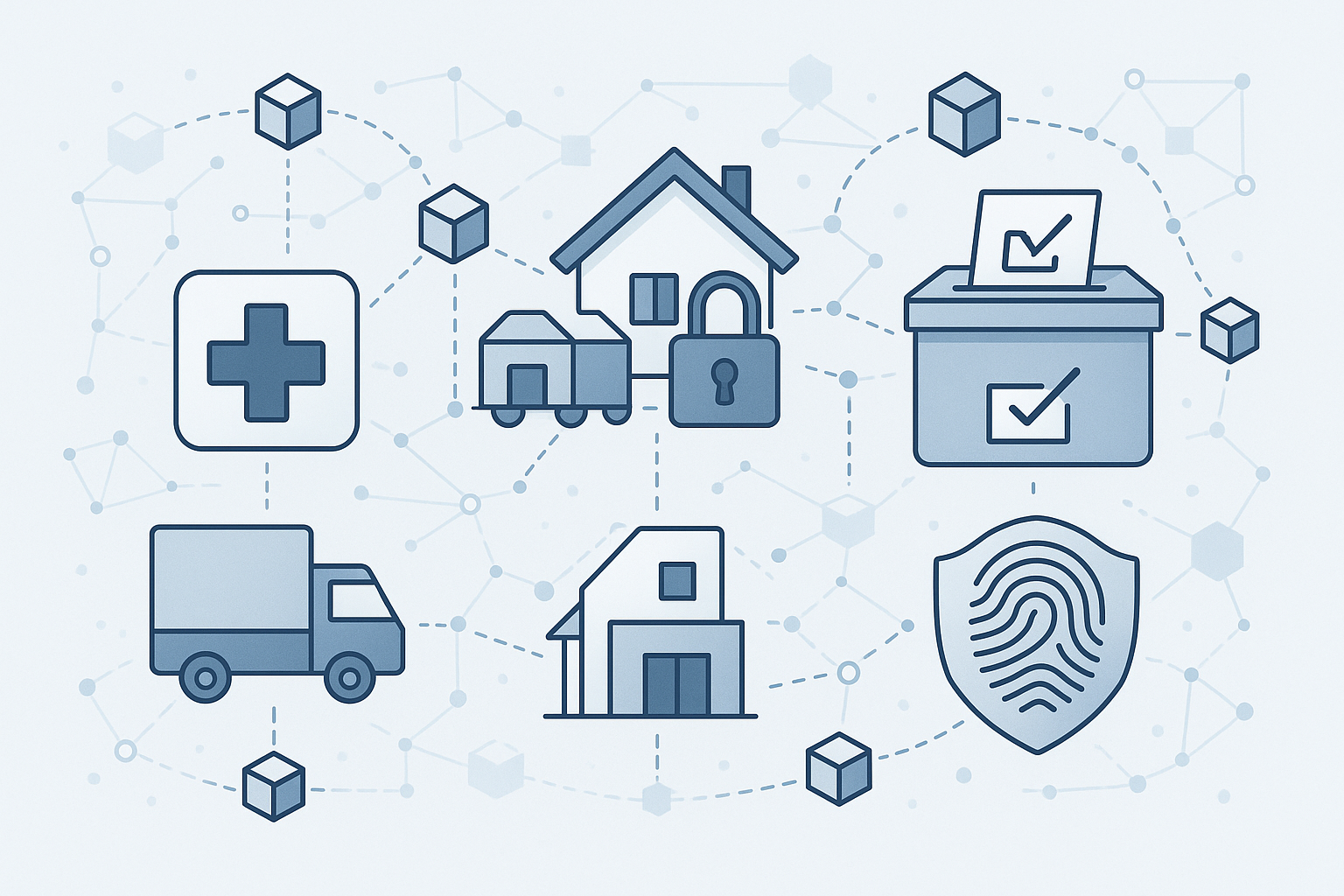
Blockchain technology, originally synonymous with cryptocurrencies like Bitcoin, has rapidly evolved into a revolutionary force reshaping multiple industries. By 2025, blockchain has expanded significantly beyond financial applications, transforming sectors through increased transparency, security, and efficiency.
Here are five key industries leveraging blockchain technology in innovative ways, beyond crypto.
Healthcare: Secure and Transparent Data Management
Blockchain is significantly enhancing data integrity, security, and transparency in healthcare, addressing longstanding challenges around patient data security and interoperability.
Key benefits of blockchain in healthcare:
- Secure Patient Records: Immutable blockchain records prevent unauthorized changes, ensuring patient data integrity.
- Improved Interoperability: Streamlined sharing of records among hospitals and healthcare providers.
- Enhanced Drug Traceability: Transparent drug supply chains mitigate counterfeit medicines.
Real-world example:
Companies like MediLedger and Guardtime Health are implementing blockchain to securely manage patient data and ensure drug traceability, significantly reducing fraud and administrative costs.
Supply Chain Management: Improved Efficiency and Transparency
Blockchain technology streamlines complex supply chains by offering transparency and traceability at every step, reducing fraud, waste, and inefficiencies.
Key benefits of blockchain in supply chain management:
- Real-Time Tracking: End-to-end visibility of products from origin to end-consumer.
- Fraud Prevention: Enhanced traceability reduces counterfeit products.
- Efficiency in Transactions: Smart contracts automate payment processes based on predefined conditions.
Real-world example:
IBM’s Food Trust blockchain allows consumers to trace the journey of products from farm to table. Companies like Walmart and Nestlé have adopted this system, significantly improving food safety and reducing contamination incidents.
Real Estate: Streamlined Transactions and Smart Contracts
Real estate transactions, historically cumbersome and slow, are dramatically improved through blockchain by increasing transaction speed, reducing fraud, and lowering costs.
Key benefits of blockchain in real estate:
- Secure Property Transactions: Blockchain ensures property ownership records are tamper-proof.
- Faster Transactions: Smart contracts facilitate quick, automated property transfers.
- Reduced Costs: Decreased need for intermediaries like lawyers or notaries.
Real-world example:
Propy, a blockchain-based real estate platform, has already facilitated international property transactions, making purchases faster, cheaper, and more transparent.
Voting and Governance: Ensuring Election Integrity
Blockchain technology is increasingly used in voting systems to enhance transparency, security, and trust in electoral processes, significantly mitigating risks of fraud and manipulation.
Key benefits of blockchain in voting:
- Transparency and Auditability: Immutable voting records ensure accurate election audits.
- Enhanced Security: Blockchain makes voter fraud nearly impossible.
- Increased Accessibility: Online blockchain voting platforms allow secure remote voting.
Real-world example:
Estonia has successfully implemented blockchain-based e-voting systems, significantly boosting public confidence in election integrity and increasing voter participation.
Digital Identity Management: Enhanced Privacy and Control
Digital identity management on blockchain gives individuals greater control over personal data, reducing identity fraud and streamlining verification processes.
Key benefits of blockchain in digital identity:
- Enhanced Security: Immutable records protect identities from fraud.
- User Control: Individuals manage who accesses their personal information.
- Streamlined Verification: Accelerated and secure identity verification processes.
Real-world example:
Platforms like Civic and uPort empower users with blockchain-based digital identities, simplifying secure verification processes for applications ranging from banking to travel.
The Road Ahead: What Does This Mean for Businesses?
As blockchain technology continues to mature, businesses across various sectors must consider integrating blockchain to remain competitive and enhance operational efficiency. Early adopters of blockchain are already experiencing significant competitive advantages, from cost savings to enhanced trust and brand reputation.
How to Get Started With Blockchain
For businesses looking to leverage blockchain, here’s a simplified roadmap:
- Identify Use Cases: Assess your operations to determine where blockchain can deliver the most value.
- Choose the Right Platform: Select a blockchain platform tailored to your industry needs, such as Ethereum for smart contracts or Hyperledger for private enterprise networks.
- Pilot Programs: Start small with pilot programs to test feasibility and effectiveness.
- Scale Gradually: Gradually integrate successful blockchain initiatives across your business operations.
- Monitor and Adapt: Continuously track performance and adjust strategies based on results.
Final Thoughts
Blockchain’s potential extends far beyond cryptocurrencies, promising profound transformations in healthcare, supply chain, real estate, voting, and digital identity management by 2025. Businesses proactively embracing blockchain will find themselves well-positioned in the rapidly evolving digital economy.
Call to Action
Ready to explore how blockchain can transform your business? Subscribe to iTMunch today to stay updated on the latest blockchain trends, expert insights, and actionable business strategies.