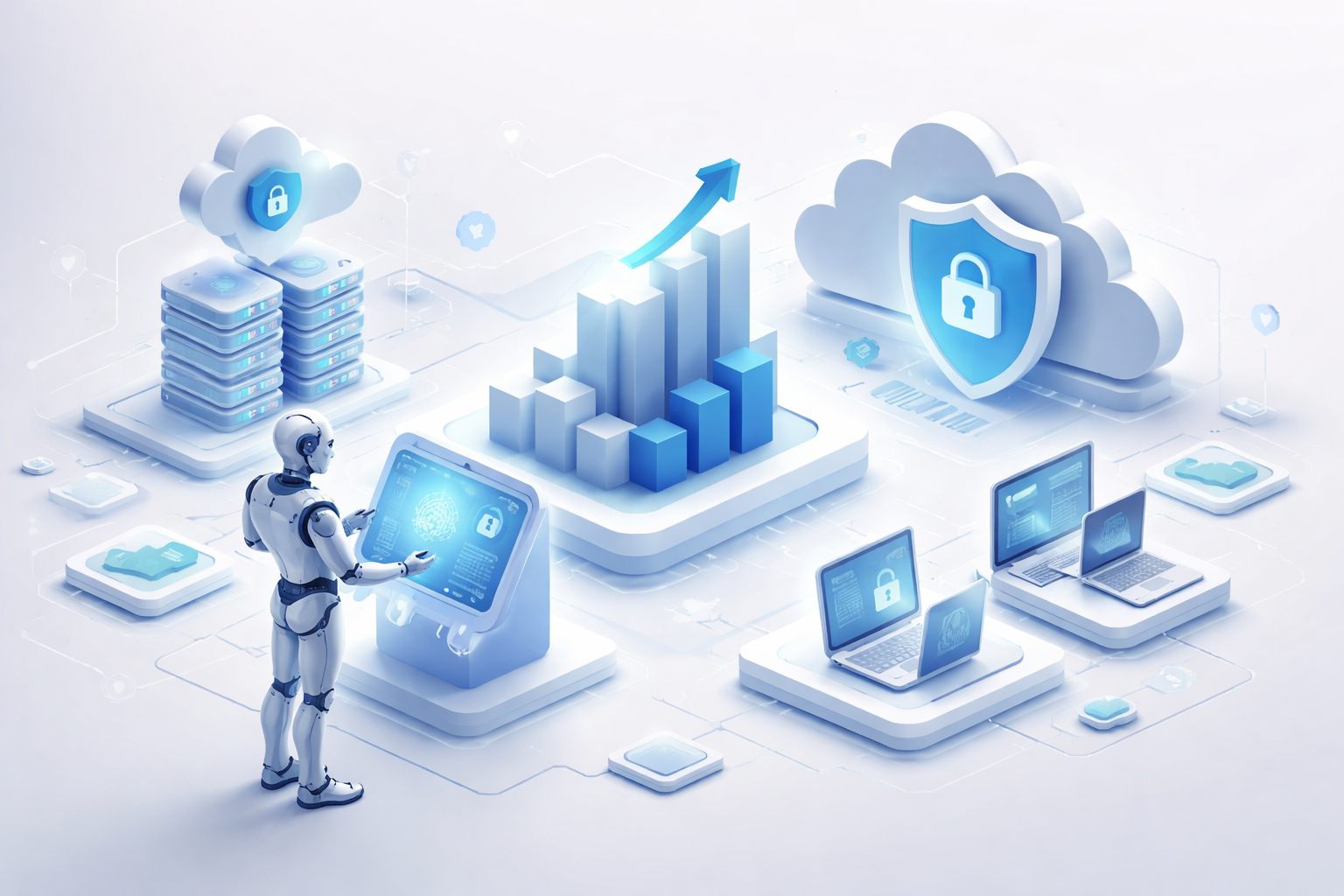
Tech in Motion: How AI Capital Spending, Cloud Security Partnerships, and Future Threats Are Shaping IT in Late 2025
 Vansh Banthia,
3 months ago
4 min read
Vansh Banthia,
3 months ago
4 min read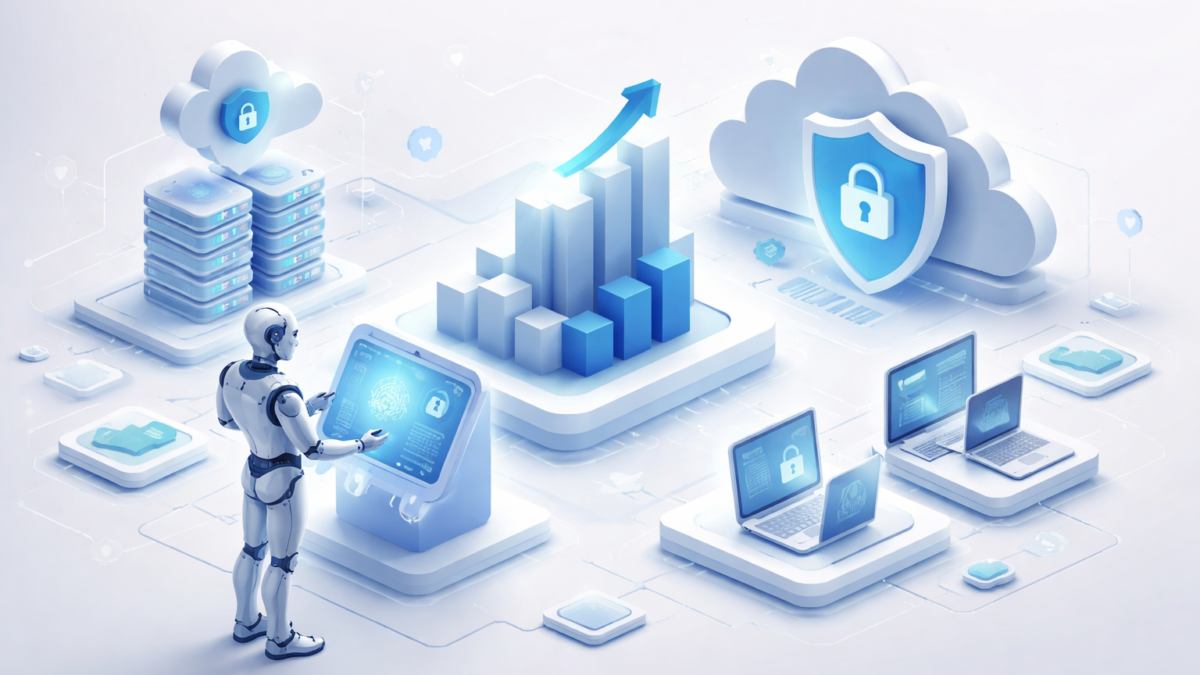
As 2025 draws to a close, the IT industry isn’t slowing down — it’s accelerating. Recent developments highlight a pivotal transformation in how technology organizations build infrastructure, defend against threats, and prepare for what comes next. From massive AI‑driven capital expenditures to strategic alliances in cloud security, these trends are defining enterprise IT today and setting the stage for 2026.
Big Tech Doubles Down on AI Infrastructure
One of the most striking shifts in the tech world right now is how aggressively companies are financing AI‑oriented infrastructure. Large technology firms have been issuing record amounts of corporate debt to fund AI and cloud expansion, signaling deep confidence in AI’s long-term role as the core of digital innovation.
Rather than relying solely on internal cash reserves, enterprises are tapping financial markets to raise capital for:
- Next-generation data centers
- Specialized AI hardware and GPU clusters
- Energy and networking capacity to support high-performance workloads
What this means: AI isn’t just software — it’s a capital-intensive strategic priority. IT leaders must consider both technical and financial planning as integral parts of future tech strategy.
Strategic Security Partnerships to Empower Cloud and AI Adoption
Enterprises increasingly rely on a secure cloud foundation for AI initiatives. Recent collaborations between major cloud platforms and leading cybersecurity providers demonstrate this trend, combining strengths in secure networking and advanced cloud capabilities to help organizations deploy AI with confidence and resilience.
This alignment reflects a broader movement:
- Security is no longer an afterthought in cloud deployments
- AI workloads require integrated protections
- Collaboration between cloud and security vendors is becoming standard
Today’s IT leaders must prioritize security at every layer — especially when orchestrating sensitive AI operations.
Cybersecurity Outlook Gets Sharper Ahead of 2026
As enterprises implement AI broadly, security experts are forecasting a surge in new threat vectors and attack surfaces — especially related to AI misuse and automation. Analysts predict that IT and security teams will need to sharpen their defenses to keep pace.
Key areas of focus include:
- AI-specific vulnerability management
- Automated threat detection and response
- Risk governance and compliance for complex systems
This shift underscores a growing reality: AI expands capability but also expands risk, and traditional security skills alone won’t be enough.
Daily Pulse: What Tech Leaders Are Talking About
Industry insiders are tracking a range of emerging tech movements — from infrastructure trends to evolving priorities for cloud and enterprise SEO & IT. Meanwhile, market dynamics such as surging interest in high-speed networking technologies are influencing performance expectations for data centers, cloud platforms, and enterprise networks alike.
These discussions reflect how broad the scope of IT innovation has become — touching everything from hardware and networking to software-defined services and operational security.
From Trend to Strategy: What IT Leaders Should Do Now
As we approach 2026, several strategic imperatives are emerging for enterprises:
1. Align AI Investments With Infrastructure Roadmaps
AI’s computational demands are reshaping how organizations build and finance their technical environments. Planning for hardware, energy efficiency, and cloud capacity has never been more critical.
2. Strengthen Cloud-Native Security
Strategic alliances between security and cloud vendors are redefining how organizations protect sensitive workloads. Security capabilities must be deeply embedded, not simply layered on.
3. Prepare for AI-centric Threat Models
AI systems create new avenues for attackers and defenders alike. Investing in adaptive security models, expert talent, and proactive threat hunting will be key to staying ahead.
4. Monitor Market Signals and Emerging Tech Indicators
From infrastructure financing to networking breakthroughs, staying informed enables strategic agility. Anticipating change rather than reacting to it gives enterprises a competitive edge.
The Road Ahead: A Smarter, More Complex IT Landscape
The IT ecosystem of late 2025 is one of rapid change, strategic reinvestment, and heightened security awareness. AI’s influence is becoming undeniable — from financial structures to cloud strategies and risk frameworks. For enterprise leaders, the task isn’t just adopting new technologies, but weaving them into a resilient architecture that supports sustainable innovation.
Stay tuned — 2026 promises to bring even more transformations, and the organizations that plan ahead will be the ones that define the next era of digital leadership.