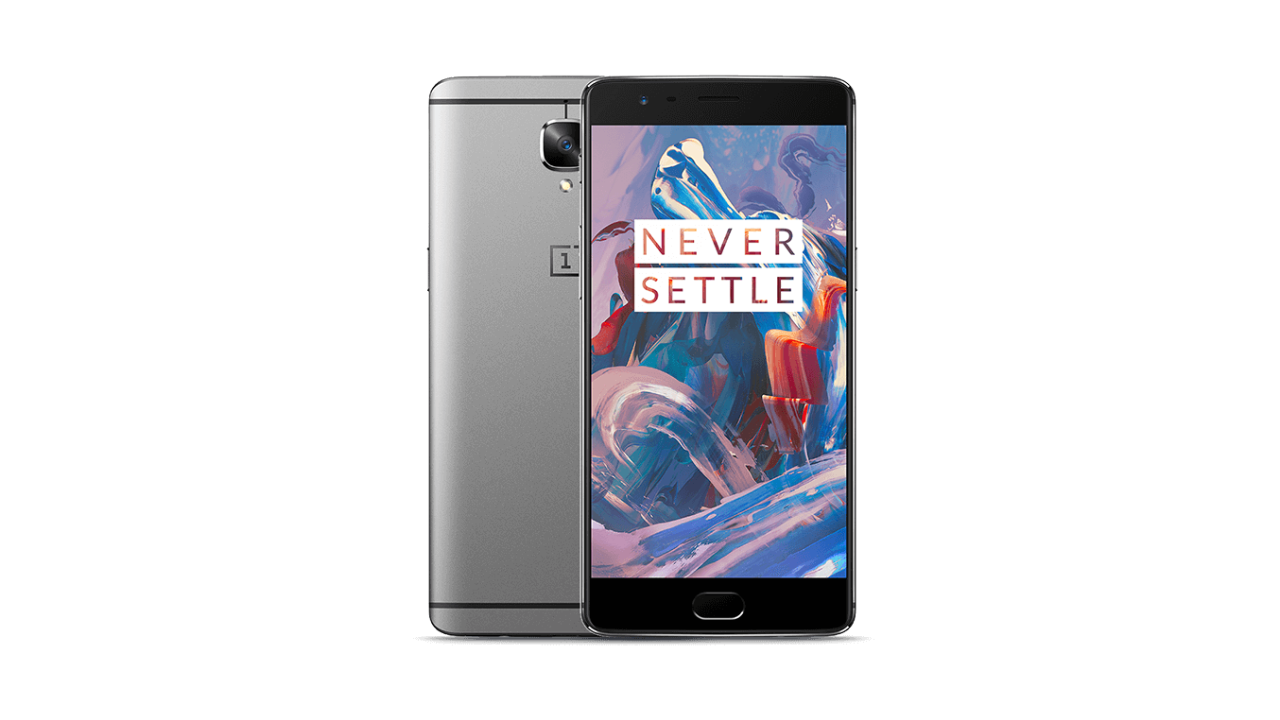
Why the OnePlus 3 Was a Game-Changer for Budget Flagships
 Gaurav Uttamchandani,
11 months ago
4 min read
Gaurav Uttamchandani,
11 months ago
4 min read
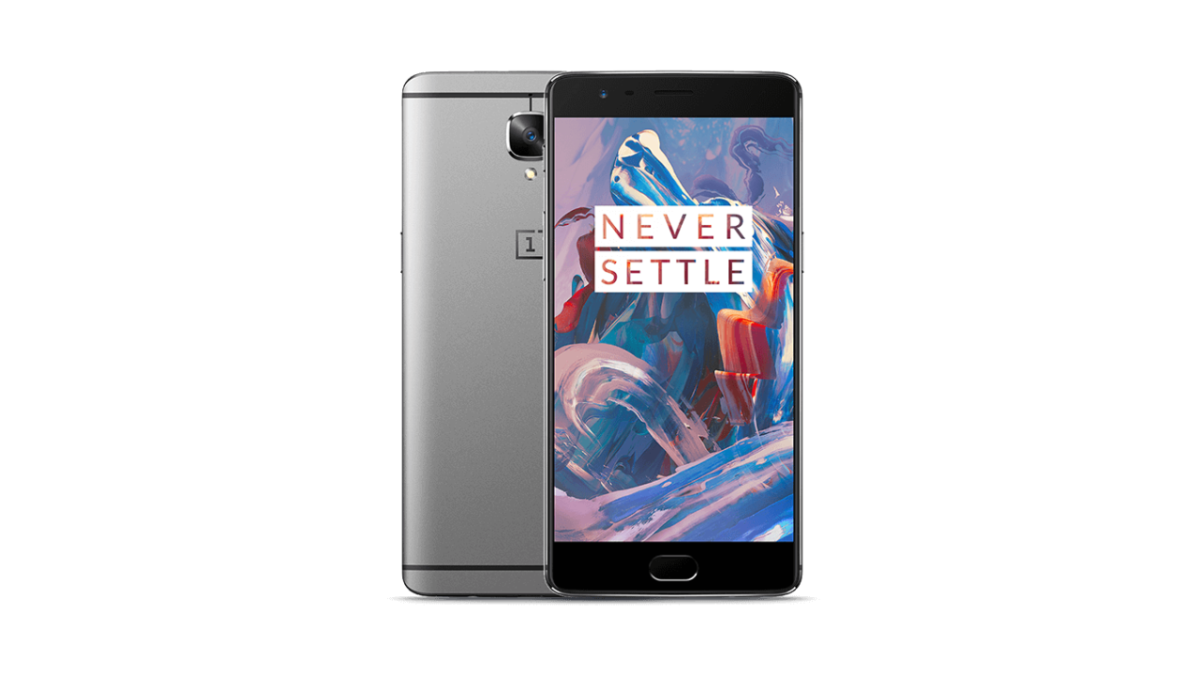
Table of Contents
Introduction
When OnePlus launched the OnePlus 3 in 2016, it didn’t just release another smartphone—it redefined what consumers could expect from a “budget” flagship device. The OnePlus 3 offered premium features at a mid-range price, shaking up the smartphone industry and challenging established giants like Samsung and Apple. Fast forward to today, and its influence can still be felt in the way many brands approach affordable performance.
Let’s dive into why the OnePlus 3 was such a pivotal release and how it helped change the game for budget-conscious tech enthusiasts.
Premium Design Without the Premium Price
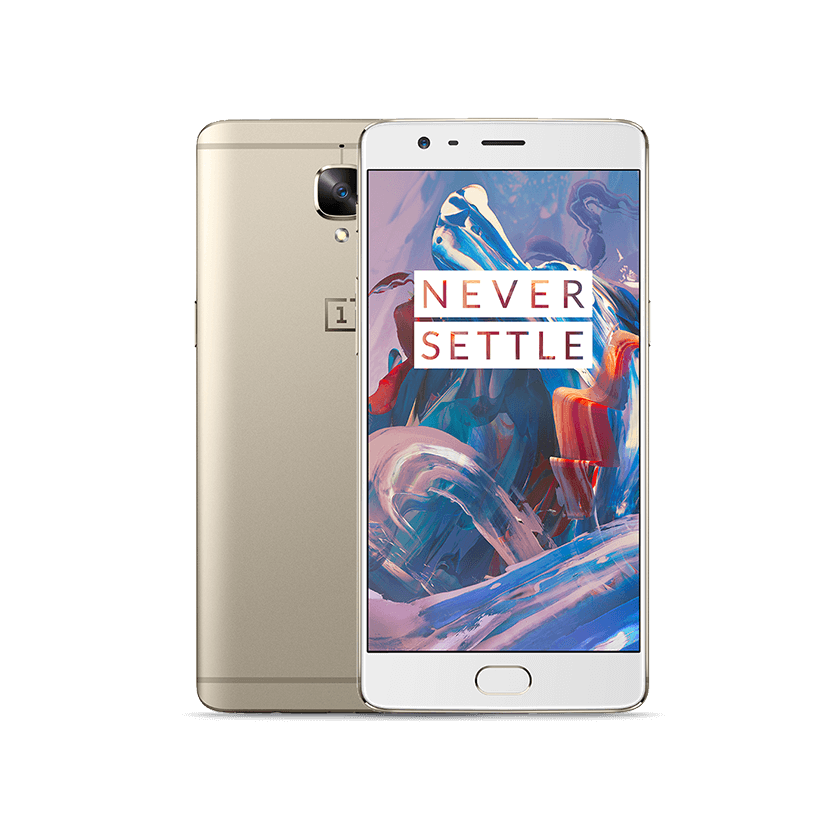
The OnePlus 3 marked a shift in design philosophy. While many affordable phones at the time were plastic or felt cheap in hand, the OnePlus 3 arrived with:
- Anodized aluminum unibody construction
- Sleek curves and polished edges
- Lightweight yet sturdy feel (158g)
- Thin 7.35mm profile
For under $400, consumers were getting a device that looked and felt as refined as premium smartphones priced hundreds of dollars higher.
Top-Tier Hardware Specifications
Despite its “budget” label, the OnePlus 3 didn’t skimp on specs. It packed hardware that matched or even exceeded its pricier competitors:
- Processor: Qualcomm Snapdragon 820
- RAM: 6GB LPDDR4 (more than many laptops at the time!)
- Storage: 64GB UFS 2.0
- Display: 5.5-inch Optic AMOLED, Full HD resolution
- Battery: 3000mAh with Dash Charge (fast charging)
The combination of 6GB of RAM and Snapdragon 820 ensured smooth multitasking, gaming, and day-to-day performance. The OnePlus 3 felt fast — and crucially, it stayed fast over time.
Dash Charge: A New Standard in Fast Charging
Before the OnePlus 3, fast charging was available but inconsistent across devices. OnePlus introduced Dash Charge, a technology that provided a full day’s power in just 30 minutes.
More importantly:
- Charging was fast even while using the phone
- Minimal heating issues
- Reliable battery top-ups without damage
This feature quickly became a major selling point and raised consumer expectations about battery performance in affordable phones.
Clean and Speedy Software Experience
The OnePlus 3 ran OxygenOS, a clean and customizable skin close to stock Android. It offered:
- Minimal bloatware
- Smooth UI transitions
- Useful customization features like screen gestures and dark mode
OxygenOS struck a near-perfect balance between stock Android purity and functional tweaks, making it a hit among both enthusiasts and casual users.
Strong Camera Performance for the Price
While not quite on par with flagship heavyweights like the Samsung Galaxy S7 at the time, the OnePlus 3’s camera still delivered:
- 16MP Sony IMX298 sensor
- Optical Image Stabilization (OIS)
- Phase Detection Autofocus
- 4K video recording support
The rear camera produced sharp, vibrant photos in good lighting and respectable low-light performance — again, impressive for the price point.
Community-Driven Growth
OnePlus didn’t just create a phone; it built a community. Through active forums, consistent software updates, and open communication, the brand fostered loyalty rarely seen in the smartphone world.
The company’s motto “Never Settle” resonated with tech enthusiasts who wanted more value for their money without compromising on experience.
Legacy and Influence
Today, mid-range phones offering flagship-like performance and design are commonplace. Brands like Xiaomi, Realme, and even Samsung’s Galaxy A and M series owe a part of their strategy to the path OnePlus helped carve.
The OnePlus 3 showed that “budget” didn’t have to mean “basic.” It proved that consumers could demand top-tier experiences without the $700+ price tag.
Conclusion
The OnePlus 3 was more than just a great phone for its time—it was a statement. It disrupted industry expectations, empowered consumers, and set new benchmarks for what an affordable flagship could be.
Even years later, the OnePlus 3 is fondly remembered as a revolutionary device that paved the way for today’s performance-packed mid-range market. It’s a testament to how smart design, community-driven marketing, and user-first engineering can change an entire industry’s standards.
You May Also Like: iPhone 11 vs iPhone 12: What’s the Difference & Which Should You Choose?