What the Latest Android Advancements Mean for the Future of Mobile Technology
 Vansh Banthia,
2 months ago
6 min read
Vansh Banthia,
2 months ago
6 min read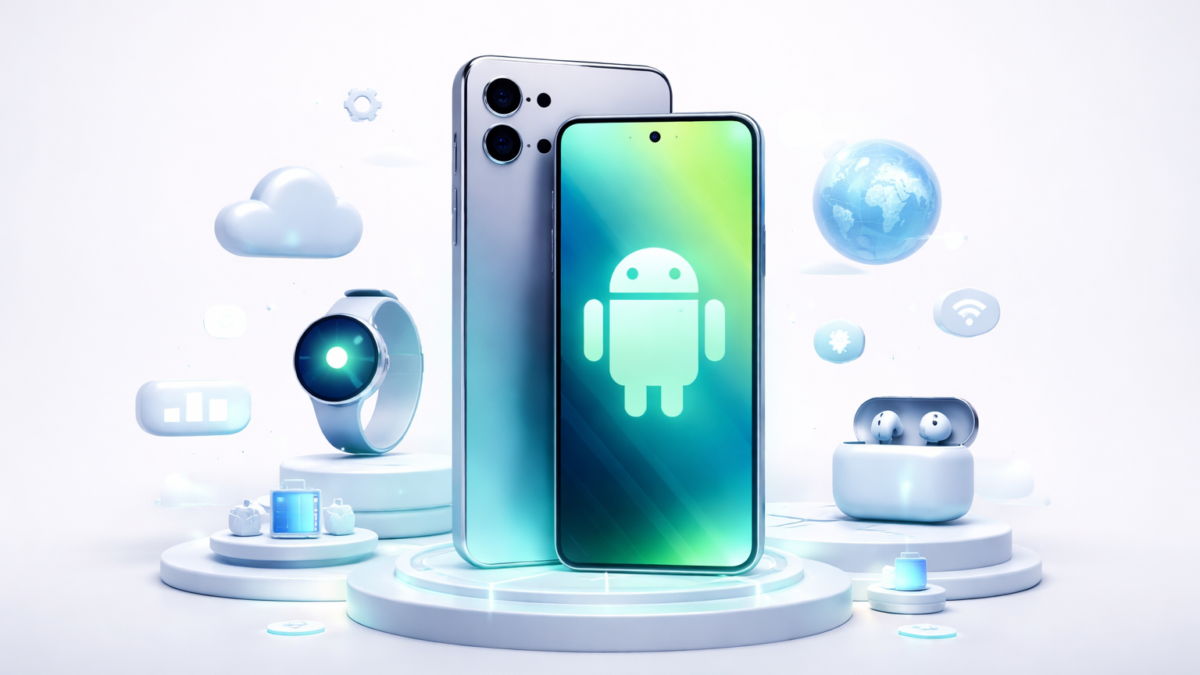
Android continues to evolve beyond a mobile operating system into a foundation for connected digital experiences. With its latest updates, Android is focusing less on surface-level features and more on performance optimization, privacy reinforcement, AI integration, and cross-device continuity.
As we delve deeper into the implications of these advancements, it’s essential to understand the context of Android’s evolution. Android was initially developed to cater to a wide range of devices, and over the years, its versatility has made it a staple in the mobile technology landscape. In this latest iteration, Android continues to prioritize not just user experience but also the underlying technology that powers our daily interactions with devices. The focus now extends to how Android integrates seamlessly with smart home devices, IoT appliances, and even wearable technology, creating a cohesive environment that enhances our lifestyle.
For developers, enterprises, and technology leaders, these changes signal a broader shift in how mobile platforms support productivity, security, and intelligent automation at scale.
A More Intelligent Android Experience
Machine learning capabilities are being embedded throughout the Android ecosystem. For example, the system can now predict user behavior, such as suggesting apps based on time of day or location. This level of personalization not only enhances user satisfaction but also streamlines the overall experience. One notable application of this technology is in digital assistants, which can now learn from user interactions to provide more accurate responses over time.
Moreover, with the evolution of machine learning, we can witness the rise of features such as real-time language translation. This has profound implications, especially for global communication. Imagine a scenario where users can converse in different languages in real-time without the need for a third-party translation app—this is the kind of seamless experience the newest Android updates aim to provide.
One of the most significant themes in the latest Android release is intelligence built directly into the system layer. Android is increasingly leveraging on-device machine learning to improve responsiveness, personalization, and efficiency—without relying heavily on cloud processing.
Key improvements include:
- Smarter background process management
- Adaptive performance tuning based on user behavior
- Context-aware suggestions that reduce manual interactions
These enhancements not only improve user experience but also extend battery life and device longevity.
Privacy and Security Take Center Stage
Stronger Controls Without Added Complexity
Privacy concerns have never been more relevant. In this landscape, Android’s commitment to user privacy stands out. Enhanced privacy dashboards not only allow users to monitor their data usage but also empower them to make informed decisions regarding their personal information. For instance, users can receive alerts when apps access sensitive data, thereby fostering a culture of transparency and accountability among app developers.
Android’s latest updates emphasize transparency and user control. Granular permission management allows users to decide exactly how apps access data—when, how often, and for what purpose.
Privacy dashboards now offer clearer visibility into:
- App activity across sensors and data points
- Background access behavior
- Permission usage trends over time
For businesses deploying Android devices at scale, these changes reduce compliance risk and improve trust.
Enterprise-Grade Security Enhancements
Android continues to strengthen its enterprise security framework through improved sandboxing, faster security patch delivery, and enhanced device integrity checks. These updates are particularly relevant for organizations managing large mobile workforces or BYOD environments.
Performance Optimization for Modern Hardware
Android’s latest version is designed to take advantage of next-generation hardware architectures. Optimizations in memory allocation, CPU scheduling, and graphics rendering result in smoother multitasking and more consistent performance across devices.
This is especially impactful for:
Additionally, organizations looking to adopt Android devices can benefit from comprehensive training programs that highlight the importance of security protocols. By investing in employee education, businesses can significantly mitigate risks associated with data breaches and cyber threats. This proactive approach to security not only protects sensitive information but also enhances overall productivity by creating a secure digital workspace.
- High-refresh-rate displays
- Foldable and large-screen devices
- Gaming and graphics-intensive applications
Developers benefit from improved APIs that enable better performance tuning without added complexity.
Seamless Cross-Device Experiences
Android is expanding its ecosystem approach, making it easier for users to move between phones, tablets, wearables, and other connected devices. Enhanced synchronization allows notifications, tasks, and media to flow naturally across screens.
For users, this creates continuity. For businesses, it opens opportunities to design experiences that are not confined to a single device.
AI Integration at the OS Level
Artificial intelligence is no longer an add-on—it is becoming integral to Android’s core functionality. From real-time language processing to adaptive UI behavior, AI-driven features are designed to operate efficiently on-device.
This approach improves:
The strategy to create a unified experience across devices is particularly exciting as it challenges the traditional boundaries of device usage. With this integration, users can start a task on their smartphone and seamlessly continue it on a tablet or laptop without losing momentum. Such capabilities are becoming increasingly vital as remote work and digital collaboration continue to rise.
- Speed and responsiveness
- Data privacy by reducing cloud dependency
- Reliability in low-connectivity environments
AI integration also lays the groundwork for more advanced use cases across productivity, accessibility, and personalization.
AI integration also opens up exciting possibilities for accessibility. For users with disabilities, the new features within Android can significantly enhance their ability to interact with technology. From voice commands that control smart devices to personalized interfaces that cater to individual needs, Android’s advancements in AI ensure inclusivity at every level.
Implications for Developers and Businesses
The latest Android advancements prioritize stability, intelligence, and security—key factors for enterprise adoption. Developers are gaining access to tools that simplify optimization across diverse hardware, while businesses benefit from improved device management and user trust.
As Android continues to mature, its role as a platform for scalable digital innovation becomes increasingly clear.
Looking Ahead
Android’s evolution reflects a broader trend in technology: systems that are adaptive, secure, and designed for long-term performance rather than short-term novelty. The latest updates reinforce Android’s position as a flexible and future-ready platform for both consumers and enterprises.
For organizations building mobile-first strategies, staying aligned with Android’s direction will be critical to maintaining performance, security, and competitive advantage.
Understanding these advancements can empower developers to leverage the full potential of the platform. By utilizing the latest APIs and tools, they can create applications that not only meet user expectations but also set new benchmarks in performance and functionality. This ongoing evolution encourages a cycle of innovation that is crucial for maintaining relevance in a competitive marketplace.
Looking ahead, the trajectory of Android suggests a future where devices are not just smart, but also contextually aware. The integration of AI and machine learning will continue to evolve, leading to experiences that are tailored to the user’s unique lifestyle. As we embrace this transformation, the role of Android as a leader in mobile technology becomes increasingly evident, paving the way for a future that prioritizes efficiency, connectivity, and user-centric innovation.