How to Build a Fully Automated Smart Kitchen in 2025: Step-by-Step Guide
 Gaurav Uttamchandani,
9 months ago
4 min read
Gaurav Uttamchandani,
9 months ago
4 min read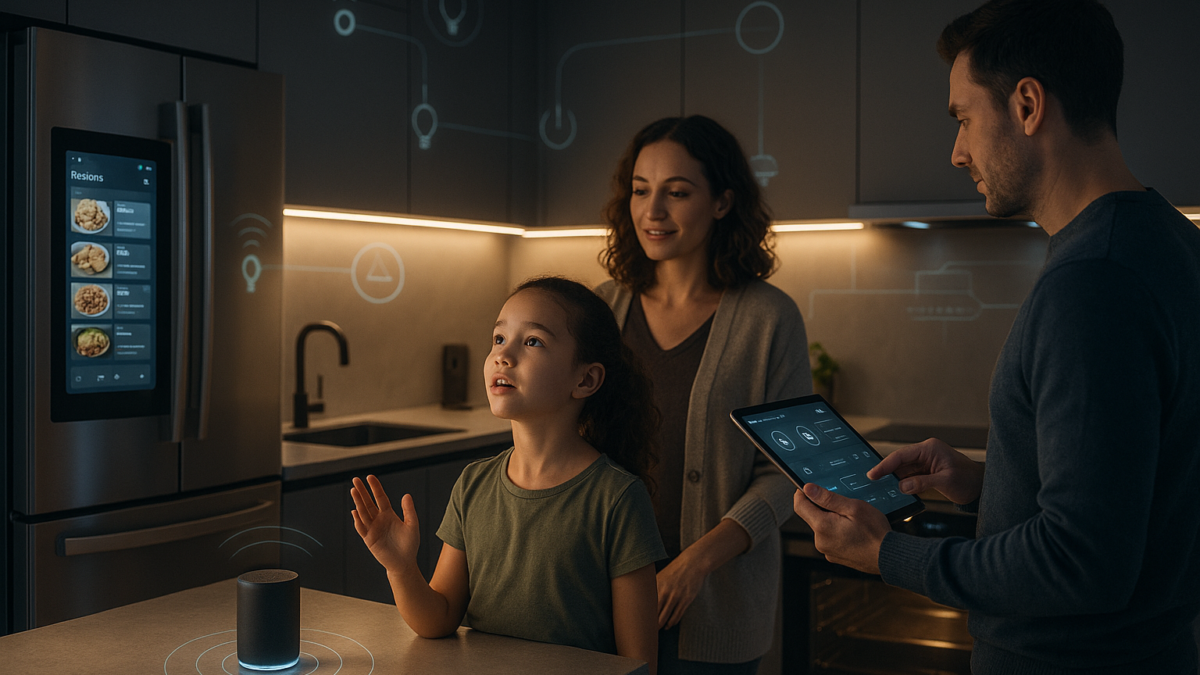
Table of Contents
Introduction
The kitchen has always been the heart of the home, and in 2025, it’s becoming the smartest room as well. With advances in smart home technology, building a fully automated kitchen can dramatically improve convenience, energy efficiency, and cooking precision. Whether you’re a tech enthusiast or a busy homeowner, a smart kitchen makes meal preparation easier and more enjoyable. This guide will walk you through the essential steps to create your own fully automated smart kitchen.
Step 1: Define Your Smart Kitchen Goals
Before investing in smart kitchen gadgets, it’s important to outline what you want to achieve. Do you want to focus on automating cooking tasks? Or is energy savings and safety more important? Some key goals to consider:
- Automate cooking and meal prep for time-saving
- Monitor food inventory and expiration dates
- Enhance kitchen safety with smart sensors
- Improve energy efficiency with intelligent appliances
- Use voice control for hands-free convenience
Knowing your priorities helps you select the best devices and set a realistic budget for your smart kitchen.
Step 2: Select a Smart Kitchen Hub
A smart hub acts as the brain of your kitchen, connecting and controlling all devices in one place. Popular options include:
- Amazon Echo Show with Alexa
- Google Nest Hub Max with Google Assistant
- Samsung SmartThings Hub
Make sure your hub supports the Matter protocol, the new universal standard for smart home device compatibility. This ensures your smart kitchen devices will work seamlessly together, regardless of brand.
Step 3: Upgrade to Smart Appliances
Smart appliances are the foundation of an automated kitchen. Here are some must-have gadgets:
- Smart Refrigerator: Modern fridges like the Samsung Family Hub offer inventory tracking, touchscreen controls, and even recipe suggestions based on what you have inside.
- Smart Oven & Microwave: Devices like the June Oven allow you to control cooking remotely, use presets for different meals, and get precise temperature control.
- Smart Dishwasher: Bosch and other brands offer Wi-Fi enabled dishwashers with energy-efficient modes and remote start/stop capabilities.
These appliances help automate routine tasks, reduce waste, and improve cooking results.
Step 4: Implement Smart Lighting & Sensors
Smart lighting not only sets the mood but enhances safety and energy use. Consider installing:
- Philips Hue bulbs for customizable colors and schedules
- Motion sensors to automatically turn lights on/off as you move through the kitchen
- Temperature and humidity sensors to monitor cooking environments and ventilation needs
These sensors can also alert you to hazards like smoke or gas leaks, improving safety.
Step 5: Use Voice Control and Automation Routines
Voice assistants integrated into your smart hub make multitasking easier. You can say things like:
- “Alexa, preheat the oven to 350 degrees.”
- “Hey Google, add milk to my shopping list.”
- “Turn on the kitchen lights.”
Automation routines let you set up sequences triggered by specific actions. For example, a “Morning Routine” might turn on lights, start the coffee maker, and read out your day’s schedule.
Step 6: Manage Inventory and Grocery Shopping
Smart kitchens help reduce food waste with inventory management:
- Use smart fridge cameras and barcode scanning apps to track what you have
- Get alerts when items are running low or nearing expiration
- Connect with grocery delivery services like Amazon Fresh or Instacart for automatic restocking
Apps such as Whisk or AnyList integrate with your smart kitchen to streamline meal planning and shopping.
Step 7: Prioritize Safety and Energy Efficiency
Safety is critical in the kitchen. Smart smoke and gas detectors alert you immediately of danger, even when you’re away. Smart plugs and timers help save energy by powering off devices that aren’t in use.
Benefits of a Fully Automated Smart Kitchen
- Saves Time: Automates tedious tasks so you can focus on cooking or family time.
- Enhances Safety: Instant alerts for hazards protect your home and loved ones.
- Reduces Waste: Intelligent inventory tracking means less food spoilage.
- Improves Energy Efficiency: Smart appliances optimize power use.
- Boosts Convenience: Voice and app controls put your kitchen at your command.
Expert Insight
According to CNET, choosing devices that support Matter future-proofs your kitchen against compatibility issues and lets you expand your setup easily.
Conclusion
Building a fully automated smart kitchen in 2025 is no longer a futuristic dream—it’s accessible and practical. By carefully selecting a smart hub, upgrading appliances, and integrating sensors and voice control, you can create a kitchen that’s efficient, safe, and tailored to your lifestyle.
Explore ourservices to get started, and stay updated with the latest in smart kitchen technology by subscribing to our newsletter.
You May Also Like: Top Smart Home Devices of 2025: Security, Convenience, and Automation