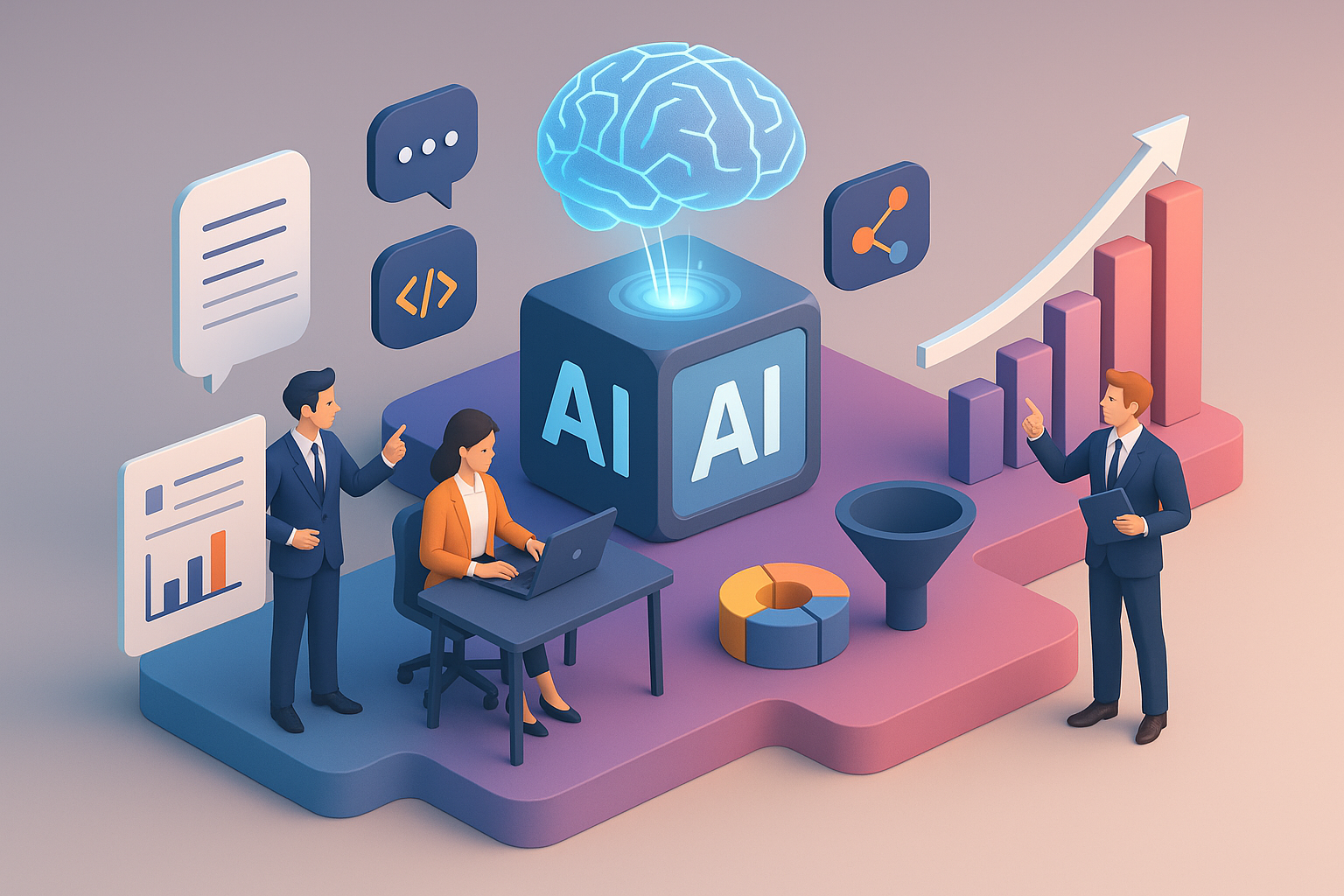
Generative AI in B2B Marketing: From Content Creation to Pipeline Acceleration
 Gaurav Uttamchandani,
6 months ago
4 min read
Gaurav Uttamchandani,
6 months ago
4 min read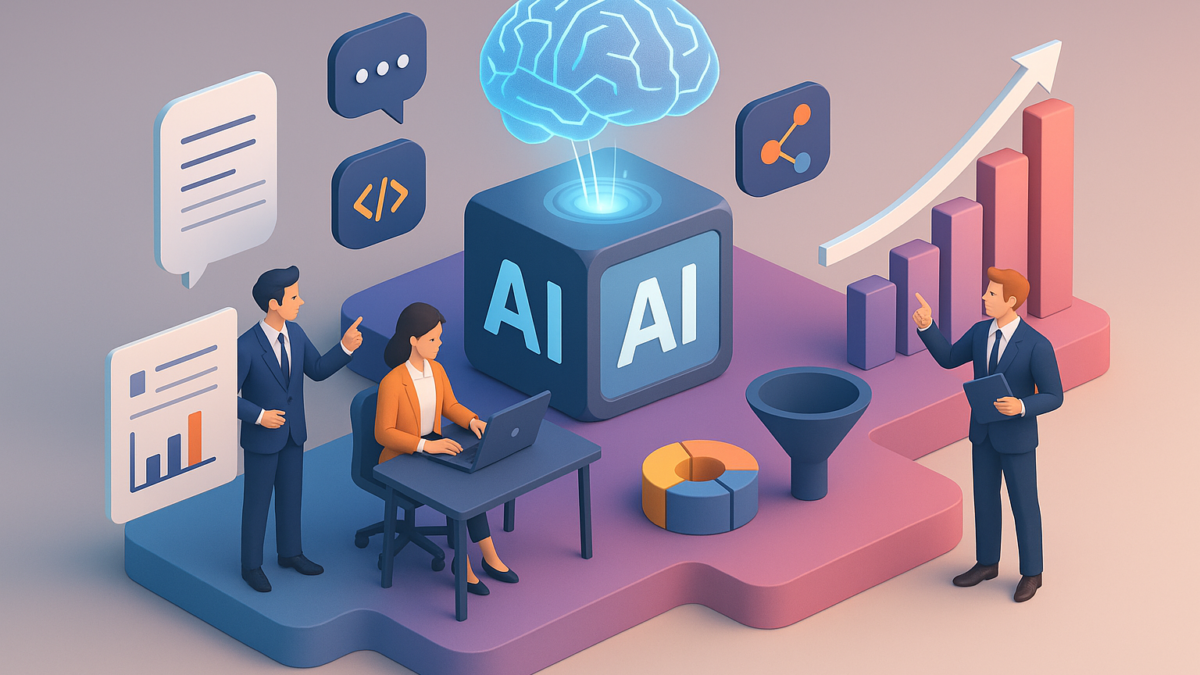
In just a few years, generative AI has gone from novelty to necessity. What began as AI writing assistants producing short-form content has now evolved into a powerful suite of tools transforming the entire B2B marketing lifecycle.
In 2025, B2B marketers are using generative AI to create hyper-personalized campaigns, optimize lead nurturing, and accelerate pipeline velocity. Far from replacing human creativity, AI is becoming a co-pilot for marketing teams, helping them scale efforts, reduce costs, and reach buyers with precision.
This blog explores how generative AI is shaping B2B marketing—from content creation to pipeline acceleration—and how your business can take advantage of these advances.
The Evolution of Generative AI in Marketing
Initially, AI’s role in marketing was limited to automated copywriting. Tools could generate blog introductions, email subject lines, or ad variations. While useful, early adopters saw these as productivity hacks, not strategic game changers.
By 2025, the technology has matured. Generative AI now:
- Creates full campaigns across multiple channels.
- Integrates with CRM systems for personalized targeting.
- Provides predictive insights into pipeline health.
- Assists with real-time campaign optimization.
In other words, generative AI has shifted from being a tactical helper to a strategic marketing driver.
Applications of Generative AI in B2B Marketing
1. Content Creation at Scale
Generative AI produces blog posts, whitepapers, case studies, and ad copy in minutes. But beyond speed, it ensures content personalization by adapting tone and messaging for different audience segments.
Example: A SaaS vendor can generate industry-specific versions of the same whitepaper for finance, healthcare, and manufacturing—each tailored to unique pain points.
2. Hyper-Personalized Email Campaigns
Email remains a critical B2B channel, but generic blasts no longer cut it. Generative AI enables marketers to:
- Write unique subject lines for each recipient.
- Personalize messaging based on buyer journey stage.
- Adjust tone depending on recipient profile (executive vs. technical buyer).
The result: higher open rates and engagement.
3. Dynamic Ad Copy Generation
Generative AI tools automatically produce variations of ad copy, headlines, and visuals. This makes A/B testing faster and more effective.
Example: LinkedIn campaigns can use AI to generate hundreds of ad variations targeting different roles, industries, and regions—something manual teams couldn’t scale.
4. AI-Powered Content Syndication
Content syndication is vital in B2B lead generation. In 2025, generative AI:
- Matches syndicated assets with high-intent audiences.
- Creates multiple versions of gated assets for specific verticals.
- Analyzes engagement and optimizes content distribution in real time.
This ensures syndicated content produces quality leads, not just volume.
5. Predictive Pipeline Acceleration
Perhaps the most exciting development is AI’s ability to influence pipeline velocity. Generative AI works with CRM and sales intelligence platforms to:
- Score leads dynamically based on real-time engagement.
- Suggest next-best actions for sales teams.
- Identify at-risk deals and recommend re-engagement tactics.
- Generate personalized sales enablement content for decision-makers.
By optimizing touchpoints across the funnel, AI doesn’t just create demand—it accelerates revenue outcomes.
Top Generative AI Tools for B2B Marketers in 2025
- Jasper: Specializes in long-form content and campaign workflows.
- HubSpot AI: Built-in AI for CRM, email, and pipeline insights.
- Salesforce Einstein GPT: Generates personalized sales and marketing assets directly within CRM.
- Writesonic: Affordable AI for ads, blogs, and product descriptions.
- Anyword: AI copy optimization platform with predictive scoring for ad performance.
Benefits of Generative AI in B2B Marketing
- Speed and Efficiency: Campaigns are created and deployed faster.
- Scalability: Personalization for thousands of accounts becomes possible.
- Higher ROI: Smarter targeting and predictive insights reduce wasted spend.
- Improved Buyer Experience: AI ensures every touchpoint feels tailored and relevant.
- Better Sales-Marketing Alignment: AI bridges gaps with shared data and insights.
Challenges of Generative AI Adoption
While powerful, generative AI adoption isn’t without hurdles:
- Maintaining Brand Voice: Risk of inconsistent tone across assets.
- Over-Reliance on Automation: AI should augment, not replace, human creativity.
- Data Privacy Concerns: Using customer data for personalization requires compliance.
- Content Quality Control: AI-generated content must be fact-checked and reviewed.
Marketers must strike a balance between automation and human oversight.
Future of Generative AI in B2B Marketing
Looking ahead, generative AI will become more deeply embedded in marketing ecosystems. Expect:
- Autonomous Campaigns: AI creating, running, and optimizing campaigns end-to-end.
- Conversational AI for Sales: Real-time, AI-powered sales assistants engaging prospects.
- AI-Generated Video and Multimedia: Beyond text, AI will dominate personalized video creation.
- Ethical AI Standards: Companies will adopt guidelines to ensure responsible AI use in content.
Generative AI isn’t just a tool—it’s becoming a core capability for B2B growth.
Conclusion
Generative AI in B2B marketing has evolved from a productivity boost to a pipeline accelerator. From scalable content creation to predictive sales enablement, AI empowers businesses to engage prospects with precision and speed.
The key for marketers in 2025 is clear: adopt generative AI thoughtfully, balance automation with creativity, and focus on delivering authentic, personalized experiences. Those who do will not just generate leads—they’ll accelerate their pipeline and drive measurable revenue growth.
See Also: What Is Whitepaper Syndication? How to Amplify Reach and Generate Quality Leads