Craft Your Winning Content Marketing Strategy
Incorporating a comprehensive content marketing strategy is key to achieving your business goals. By focusing on a robust content marketing strategy, you can ensure that your marketing efforts are aligned with your audience’s needs and preferences, ultimately leading to more successful outcomes.
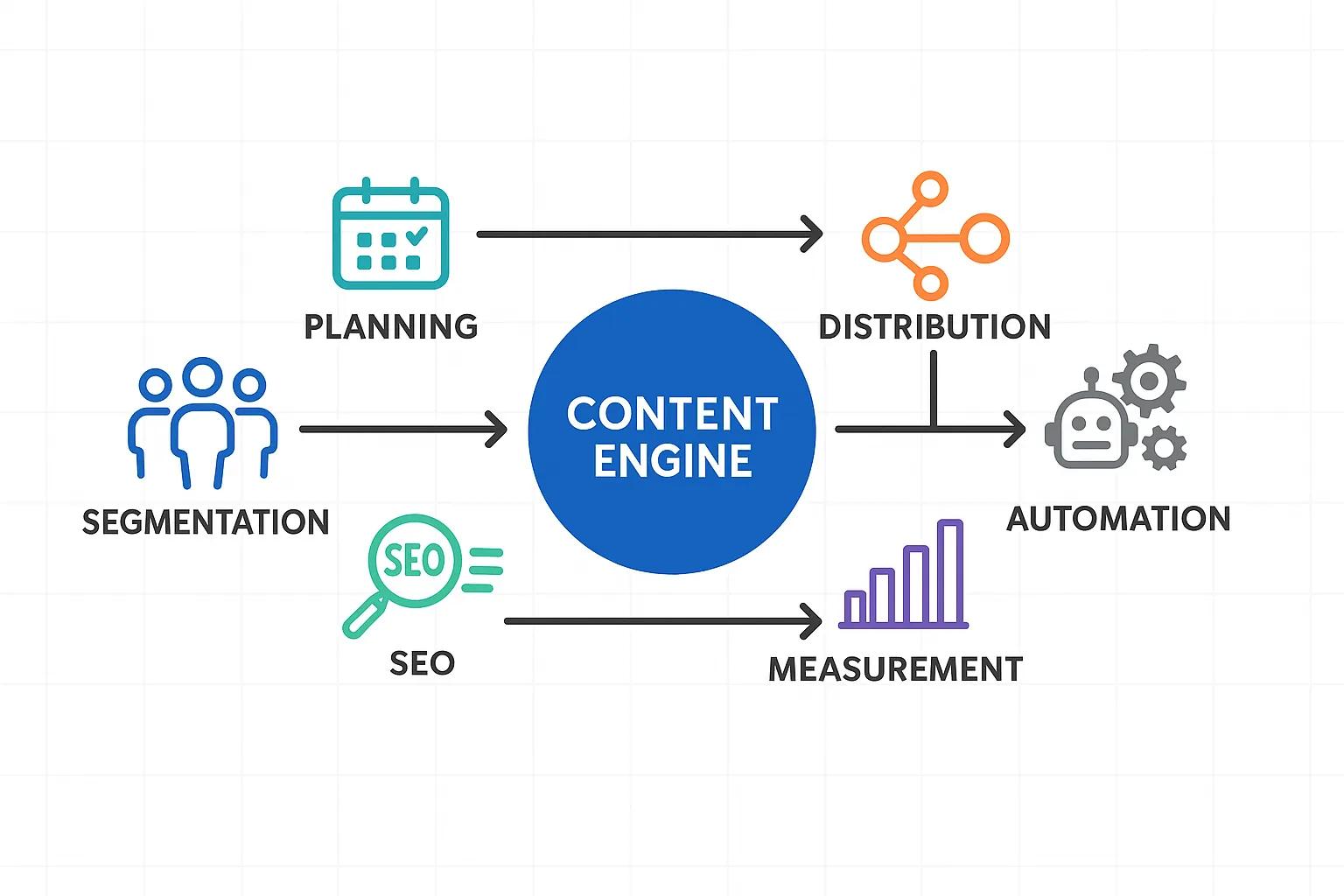
In the digital age, a well-crafted content marketing strategy is essential for businesses aiming to thrive online. This article will guide you through the key components of developing a winning content marketing strategy, focusing on effective audience segmentation, content planning, SEO integration, distribution channels, performance measurement, and automation tools. By understanding these elements, you can create a robust plan that not only engages your audience but also drives conversions and enhances brand visibility. Many businesses struggle with creating content that resonates with their target audience, leading to missed opportunities. This guide offers actionable insights and strategies to overcome these challenges, ensuring your content marketing strategy efforts yield significant results. We will explore how to conduct audience segmentation, best practices for content planning, the role of SEO, effective distribution channels, performance metrics, and tools that enhance efficiency.
How do you conduct effective audience segmentation strategies?
Audience segmentation is the process of dividing your target market into distinct groups based on shared characteristics. This strategy allows marketers to tailor their content to meet the specific needs and preferences of different audience segments, ultimately enhancing engagement and conversion rates. By understanding the demographics, interests, and behaviors of your audience, you can create more relevant and personalized content that resonates with them. Effective audience segmentation not only improves content relevance but also optimizes marketing resources by focusing efforts on the most promising segments.
What are the key methods for audience analysis and segmentation?
There are several key methods for conducting audience analysis and segmentation:
- Surveys and Interviews: Direct feedback from your audience can provide valuable insights into their preferences and pain points.
- Data Analytics Tools: Utilizing tools like Google Analytics can help identify user behavior patterns and demographics.
- Social Media Insights: Analyzing engagement metrics on social platforms can reveal which content resonates most with your audience.
These methods collectively enable marketers to build a comprehensive understanding of their audience, leading to more effective content strategies.
How does audience segmentation improve content personalization and engagement?
Audience segmentation significantly enhances content personalization by allowing marketers to tailor messages to specific groups. This targeted approach leads to increased engagement rates, as content that speaks directly to the interests and needs of a segment is more likely to capture attention. For instance, personalized email campaigns can yield higher open and click-through rates compared to generic messages. Additionally, tailored content strategies can foster a deeper connection with the audience, encouraging loyalty and repeat interactions.
Advanced technologies like AI and machine learning are further revolutionizing how businesses approach audience segmentation and personalization.
AI & ML for Audience Segmentation in Personalized Marketing
This article analyzes the use of artificial intelligence (AI) in personalized marketing strategies, focusing on the effectiveness of algorithms for target audience segmentation. The role of machine learning (ML) and neural network approaches in improving segmentation accuracy, predicting customer behavior, and personalizing advertising offers is emphasized. Clustering methods, supervised models, and neural network algorithms are discussed, which allow for real-time adaptation of marketing campaigns, increasing engagement and conversions. The article also explores key metrics for evaluating the effectiveness of AI algorithms and their impact on the outcomes of marketing campaigns.
… IN PERSONALIZED MARKETING STRATEGIES: ANALYZING THE EFFECTIVENESS OF ALGORITHMS FOR TARGET AUDIENCE SEGMENTATION
What are the best practices for content planning and scheduling?
Effective content planning and scheduling are crucial for maintaining consistency and ensuring that your content aligns with your marketing goals. A well-structured content marketing strategy helps streamline the creation process, making it easier to produce high-quality content that resonates with your audience. By implementing best practices in content planning, businesses can enhance their overall marketing effectiveness and drive better results.
How to create and manage a content calendar for consistent publishing?
Creating a content calendar involves several key steps:
- Define Your Goals: Establish clear objectives for your content marketing strategy efforts.
- Identify Key Dates: Mark important dates, such as product launches or seasonal events, to align your content accordingly.
- Use Management Tools: Leverage tools like Trello, Asana, or Google Sheets to organize and track your content schedule.
A well-maintained content calendar ensures that you publish consistently, keeping your audience engaged and informed.
Which digital marketing tactics enhance content planning effectiveness?

Several digital marketing tactics can enhance the effectiveness of your content marketing strategy planning:
- SEO Integration: Incorporating SEO best practices during the planning phase ensures that your content is optimized for search engines.
- Social Media Strategies: Planning content that aligns with social media trends can increase visibility and engagement.
- Cross-Promotion: Collaborating with influencers or other brands can expand your reach and introduce your content to new audiences.
By integrating these tactics into your content marketing strategy planning, you can maximize the impact of your marketing efforts.
How can SEO and keyword integration boost your content marketing strategy?
SEO and keyword integration are vital components of a successful content marketing strategy. By optimizing your content for search engines, you can improve its visibility and attract more organic traffic. Understanding the role of SEO in content marketing allows businesses to create content that not only engages readers but also ranks well in search results.
What are the essential SEO content optimization techniques?
Key SEO content optimization techniques include:
- On-Page SEO Techniques: This involves optimizing title tags, meta descriptions, headers, and URL structures to improve search engine visibility.
- Keyword Research: Identifying relevant keywords and incorporating them naturally into your content enhances its discoverability.
- Link Building Strategies: Building backlinks from reputable sources can improve your site’s authority and search rankings.
Implementing these techniques can significantly enhance your content’s performance in search engines.
How to select and integrate keywords for maximum content visibility?
Selecting and integrating keywords effectively involves:
- Researching Relevant Keywords: Use tools like Google Keyword Planner, Ahrefs, or SEMrush to identify high-traffic keywords related to your content marketing strategy.
- Natural Integration: Incorporate keywords seamlessly into your content without compromising readability.
- Monitoring Performance: Regularly analyze keyword performance to adjust your strategy as needed.
By focusing on keyword selection and integration, you can maximize your content’s visibility and reach.
Which content distribution channels maximize reach and engagement?
Choosing the right content distribution channels is essential for maximizing reach and engagement. Different channels cater to various audience segments, and understanding where your audience consumes content can significantly impact your marketing success. By leveraging multiple distribution channels, businesses can enhance their content’s visibility and drive more traffic to their websites.
How to leverage social media and email marketing for content distribution?
Social media and email marketing are powerful tools for content distribution:
- Social Media: Share your content across platforms like Facebook, Twitter, LinkedIn, Instagram, and TikTok to reach a broader audience. Tailor your messaging to fit each platform’s unique audience.
- Email Marketing: Use targeted email campaigns to deliver personalized content directly to your subscribers. Segment your email list to ensure that the right content reaches the right audience.
By effectively utilizing these channels, you can increase your content marketing strategy’s reach and engagement.
What role do multichannel marketing strategies play in content promotion?
Multichannel marketing strategies play a crucial role in content promotion by allowing businesses to reach their audience through various touchpoints. This approach enhances brand visibility and provides multiple opportunities for engagement. By integrating different channels, such as social media, email, paid advertising, and content syndication, businesses can create a cohesive marketing strategy that maximizes their content’s impact.
How do you measure content performance metrics effectively?
Measuring content performance metrics is essential for understanding the effectiveness of your content marketing strategy. By tracking key performance indicators (KPIs), businesses can gain insights into what works and what needs improvement. This data-driven approach enables marketers to optimize their content marketing strategy for better results.
Quantifying the impact of content marketing efforts through robust metrics and tools is crucial for demonstrating ROI and refining future strategies.
Measuring Content Marketing ROI with Key Metrics & Tools
This article delves into the realm of content marketing, investigating its impact through a comprehensive analysis of key metrics and analytical tools for Return on Investment (ROI) assessment. As businesses increasingly invest in content marketing strategies, the need to measure and quantify its effectiveness becomes paramount. Through a systematic exploration of established metrics and cutting-edge tools, this study aims to provide insights into evaluating the tangible outcomes of content marketing strategy efforts. The research underscores the importance of aligning content goals with organizational objectives and employing appropriate measurement techniques to gauge ROI accurately.
MEASURING THE IMPACT OF CONTENT MARKETING STRATEGY: KEY METRICS AND TOOLS FOR ROI ANALYSIS, 2023
What key performance indicators track content marketing success?
Key performance indicators for tracking content marketing success include:
- Traffic Metrics: Monitor the number of visitors to your content and analyze traffic sources.
- Engagement Metrics: Track metrics such as time on page, bounce rate, social shares, comments, and click-through rates to gauge audience engagement.
- Conversion Rates: Measure how well your content drives desired actions, such as sign-ups, downloads, or purchases.
These metrics provide valuable insights into the effectiveness of your content marketing strategy efforts.
How to use analytics tools to optimize content strategy continuously?
Utilizing analytics tools is crucial for optimizing your content strategy. Tools like Google Analytics, SEMrush, and HubSpot can help you:
- Analyze Performance: Regularly review your content marketing strategy performance metrics to identify trends and areas for improvement.
- A/B Testing: Experiment with different content formats, headlines, and calls to action to determine what resonates best with your audience.
- Adjust Strategies: Use data insights to refine your content marketing strategy, ensuring it aligns with audience preferences and market trends.
By continuously optimizing your content marketing strategy based on analytics, you can enhance its effectiveness and drive better results.
What tools and automation techniques enhance content marketing efficiency?
In today’s fast-paced digital landscape, leveraging tools and automation techniques can significantly enhance content marketing efficiency. By streamlining processes and automating repetitive tasks, businesses can focus on creating high-quality content that resonates with their audience. Understanding the available tools and techniques is essential for maximizing productivity and achieving marketing goals.
Which content marketing automation tools streamline planning and distribution?
Several content marketing automation tools can streamline planning and distribution:
- Hootsuite: This tool allows you to schedule and manage social media posts across multiple platforms.
- Buffer: Buffer helps in scheduling posts and analyzing social media performance.
- CoSchedule: This tool offers a comprehensive content calendar and marketing automation features.
By utilizing these tools, businesses can save time and ensure consistent content distribution.
How does AI-driven personalization improve content marketing outcomes?
AI-driven personalization enhances content marketing outcomes by delivering tailored experiences to users. By analyzing user behavior and preferences, AI can help marketers create personalized content recommendations, improving engagement and conversion rates. For example, AI algorithms can analyze past interactions to suggest relevant articles or products, making the user experience more engaging and relevant.
| Strategy | Tool | Benefit |
|---|---|---|
| Content Scheduling | Hootsuite | Streamlines social media management |
| Performance Analysis | Buffer | Provides insights into engagement metrics |
| Content Planning | CoSchedule | Organizes content calendar effectively |