AI’s Role in Public Transportation: Optimizing Routes and Reducing Delays
 Krittika Chakrabarti,
2 years ago
6 min read
Krittika Chakrabarti,
2 years ago
6 min read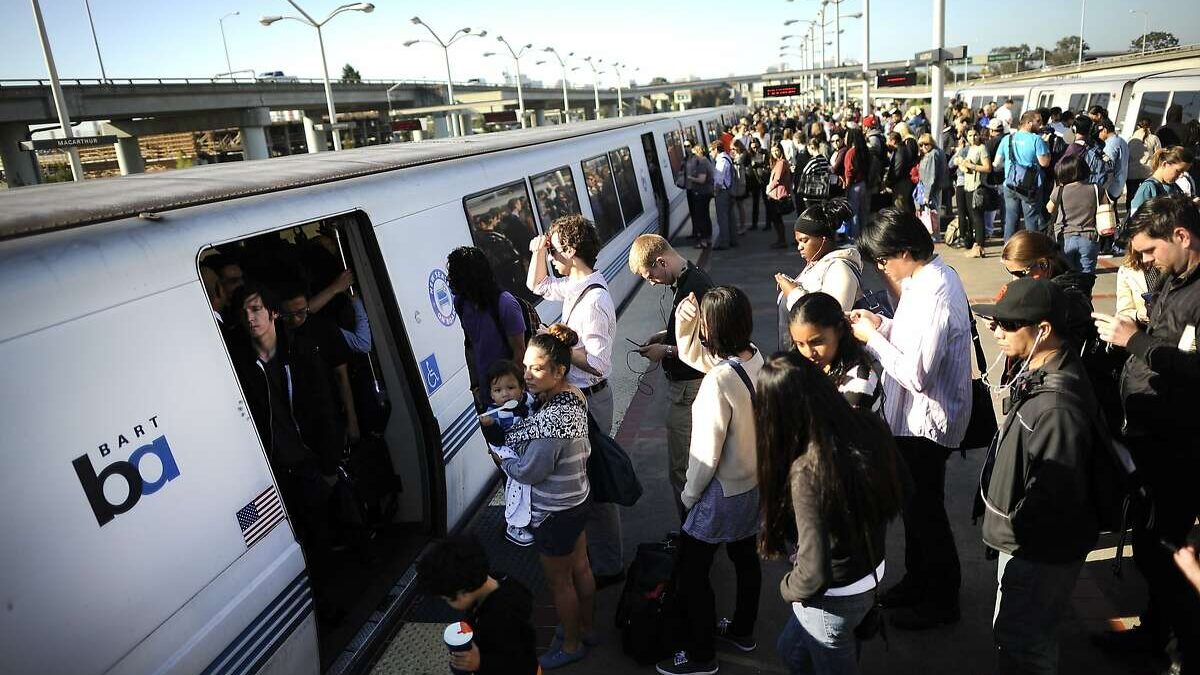
Table of Contents
Introduction
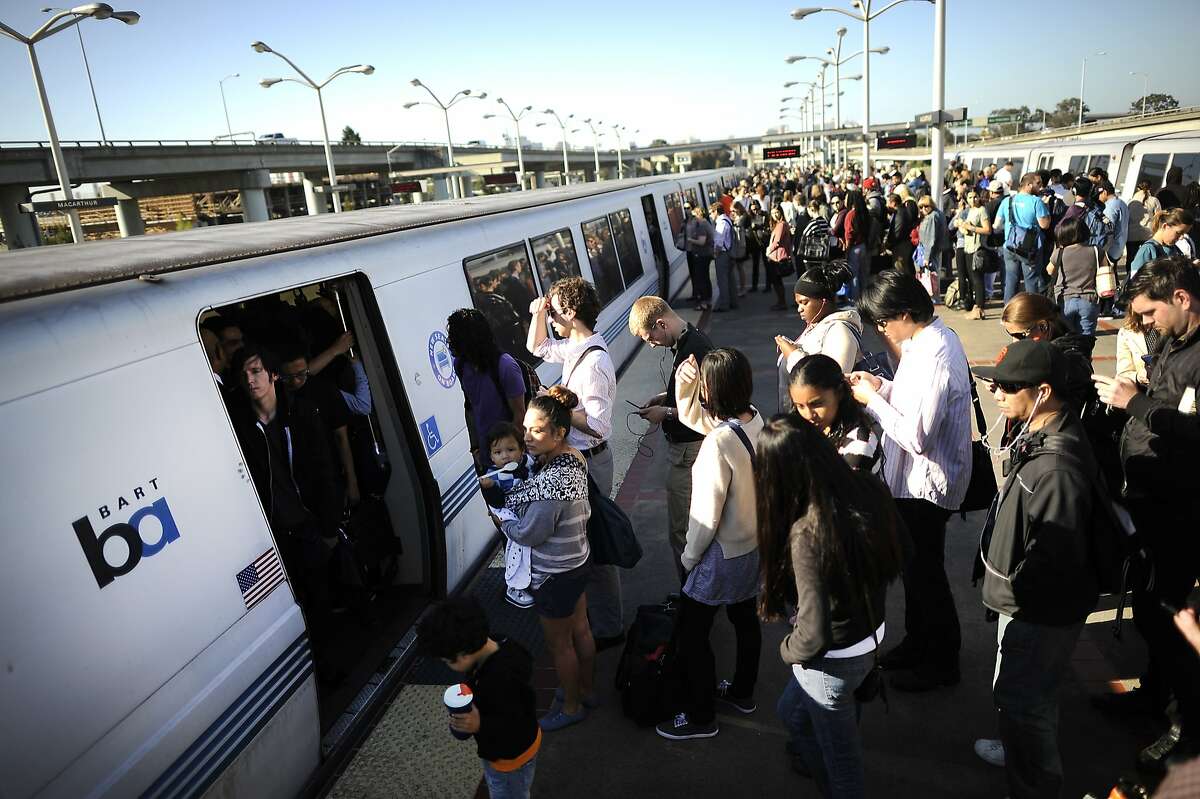
Public transportation is the backbone of our cities, helping millions get to work, school, and other destinations every day. However, it often faces problems like traffic jams, inefficient routes, and unexpected delays. Artificial Intelligence (AI) is changing all that. With AI, public transportation is becoming smarter and more efficient. This blog explores how AI is transforming public transit by optimizing routes and reducing delays, making the system better for everyone.
The Rise of AI in Public Transportation
AI uses advanced technologies like machine learning and data analytics to process and understand large amounts of data. In public transportation, AI helps by:
- Analyzing traffic patterns
- Predicting passenger numbers
- Optimizing routes
- Improving schedules
- Enhancing safety
These capabilities allow public transportation systems to run more smoothly and provide better service to passengers.
How AI Optimizes Routes
Real-Time Traffic Analysis
- AI can analyze traffic data from GPS, traffic cameras, and social media in real-time. This helps identify congestion and predict traffic flow, allowing transportation authorities to adjust routes on the fly.
- For example, AI can reroute buses away from traffic jams, ensuring a quicker and smoother journey for passengers. This proactive approach not only boosts efficiency but also makes public transport more reliable.
Predicting Demand and Planning Routes
- AI can predict where and when passenger demand will be highest by looking at historical data, weather conditions, and events. This helps transportation providers plan routes more effectively.
- During big events or rush hours, AI can allocate extra buses or trains to busy routes, preventing overcrowding and making the journey more comfortable for commuters.
Dynamic Scheduling
- Traditional public transport schedules are often fixed, which can lead to inefficiencies during off-peak hours or sudden demand spikes. AI enables dynamic scheduling by adjusting departure times and frequencies based on real-time data.
- Dynamic scheduling ensures that resources are used optimally, reducing wait times for passengers and avoiding underutilized buses and trains during low-demand periods.
How AI Reduces Delays
Predictive Maintenance
- Mechanical failures and maintenance issues are common causes of delays. AI-powered predictive maintenance systems analyze data from vehicle sensors to predict potential failures before they happen.
- By addressing maintenance issues proactively, transportation providers can prevent breakdowns and minimize unexpected delays. This ensures a more reliable service and reduces disruptions for passengers.
Incident Management
- Accidents, roadworks, and other incidents can cause significant delays. AI helps manage these incidents by providing real-time updates and suggesting alternative routes.
- For instance, if an accident blocks a major road, AI can quickly find the best alternative routes and inform drivers and passengers. This rapid response minimizes the impact of incidents on travel times and keeps the system running smoothly.
Automated Decision-Making
- AI supports automated decision-making to enhance operational efficiency. For example, AI can optimize the timing of traffic signals to prioritize public transportation vehicles, reducing delays at intersections.
- Automated decision-making also extends to fleet management, where AI directs vehicles to areas with the highest demand, ensuring that transportation services are available where needed most.
Improving the Commuter Experience with AI
Personalized Travel Information
- AI provides personalized travel information through mobile apps and digital platforms. By analyzing individual travel patterns and preferences, AI offers customized route suggestions, departure alerts, and real-time updates.
- This personalization makes it easier for commuters to plan their journeys and stay informed about any changes or delays.
Enhanced Safety and Security
- AI-powered surveillance systems monitor public transportation environments for suspicious activities and potential threats. By analyzing video feeds and identifying unusual behavior, AI can alert authorities to potential security issues in real-time.
- Enhanced safety measures increase passenger confidence in public transportation, encouraging more people to use these services.
Accessibility Improvements
- AI improves accessibility for passengers with disabilities. AI-powered apps provide real-time information about the availability of wheelchair-accessible vehicles and stations. Additionally, voice-activated assistants help visually impaired passengers navigate public transportation systems.
- By making public transportation more accessible, AI ensures that everyone can benefit from efficient and reliable transit services.
Case Studies: AI in Action
Singapore’s Smart Nation Initiative
- Singapore is a leader in using AI in public transportation. Through its Smart Nation initiative, the city uses AI to analyze real-time data and optimize bus and train routes. This has reduced congestion, shortened travel times, and improved efficiency.
- Singapore’s Land Transport Authority (LTA) uses AI to predict passenger demand and adjust services. By constantly monitoring and analyzing data, Singapore’s transportation system responds dynamically to changes, ensuring optimal resource allocation.
Los Angeles Metro
- The Los Angeles Metro has implemented AI-powered predictive maintenance to improve the reliability of its bus and rail services. By analyzing data from vehicle sensors, the AI system predicts when components are likely to fail and schedules maintenance before issues arise.
- This proactive approach has significantly reduced breakdowns and delays, enhancing the overall reliability of the transportation system and improving the passenger experience.
City Mapper’s AI-Driven Route Planning
- City Mapper, a popular urban navigation app, uses AI to provide real-time route optimization for public transportation users in major cities worldwide. By analyzing data from multiple sources, including traffic conditions and public transport schedules, City Mapper offers the fastest and most efficient routes to commuters.
- The app’s AI-driven approach ensures that users receive accurate and up-to-date information, helping them navigate complex urban transportation networks with ease.
Future Trends: AI and Public Transportation
Autonomous Vehicles
The future of public transportation will likely include autonomous vehicles powered by AI. Self-driving buses and trains can operate more efficiently and safely, reducing human error and optimizing travel times.
Autonomous vehicles can also operate around the clock, providing 24/7 public transportation services and improving accessibility for all passengers.
Integrated Transportation Systems
AI will play a crucial role in developing integrated transportation systems that seamlessly connect different modes of transport, such as buses, trains, bikes, and ride-sharing services. This integration will provide a cohesive and efficient transportation network, making it easier for passengers to switch between different modes of travel.
AI-Enhanced Infrastructure
AI will be integral to the development of smart infrastructure, including intelligent traffic signals, smart parking systems, and real-time traffic management. These advancements will further optimize public transportation routes and reduce delays, ensuring a smoother and more efficient transportation experience.
Conclusion
AI is transforming public transportation by optimizing routes, reducing delays, and enhancing the overall commuter experience. By leveraging real-time data and predictive analytics, AI enables transportation systems to operate more efficiently and respond dynamically to changes in demand and traffic conditions.
As AI technology continues to evolve, its impact on public transportation will only grow, leading to smarter, more reliable, and more accessible transit systems. Embracing AI in public transportation is not just a technological advancement; it is a step towards a more connected, efficient, and sustainable future.
You may also like:The Evolution of Transportation: AI and the Road to Autonomous Vehicles