A New Era of Shopping: How Agentic Commerce Is Transforming Marketplaces
 Gaurav Uttamchandani,
4 months ago
6 min read
Gaurav Uttamchandani,
4 months ago
6 min read
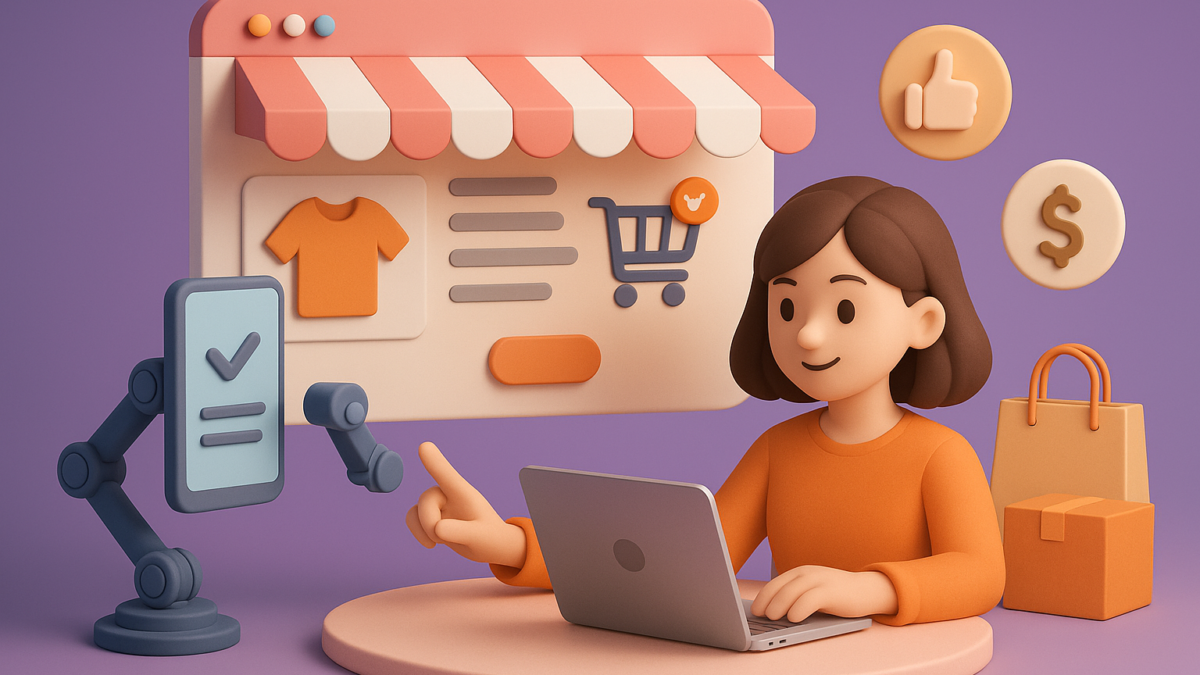
Table of Contents
Ecommerce is entering a new era driven by AI, automation, and autonomous decision-making systems. One of the biggest shifts shaping this evolution is the rise of agentic shopping, a model where AI-powered agents research, compare, evaluate, and purchase products on behalf of consumers. Instead of manually browsing dozens of products and reviews, users rely on intelligent shopping assistants that make decisions based on preferences, budget, and real-time data.
Agentic shopping is transforming how people discover products and how marketplaces operate. Retailers, ecommerce platforms, and digital marketplaces are now racing to integrate AI agents that simplify the buying journey and improve conversion rates. This article breaks down exactly what agentic shopping is, why it matters, and how marketplaces are adopting it to reshape the future of ecommerce.
What Is Agentic Shopping
Agentic shopping refers to a consumer buying experience powered by autonomous AI agents. These agents act on behalf of the shopper, analyzing data, comparing options, evaluating reviews, and making recommendations or purchases without requiring constant human input.
Instead of traditional search and click behavior, the process becomes conversational and automated. Consumers simply tell an AI agent what they need, and the agent handles the rest.
Core characteristics of agentic shopping include
- Autonomous research and comparison
- Personalized product matching
- Real-time price and stock monitoring
- Self-driven decision-making based on user preferences
- Seamless checkout and post-purchase support
This creates a hands-free shopping experience where AI agents function as highly skilled personal shoppers.
Why Agentic Shopping Is Becoming the Future of Ecommerce
Several trends are accelerating the shift toward agent-driven online shopping:
1. Information Overload
There are millions of products, thousands of reviews, and dozens of sellers. Consumers struggle to make confident decisions. AI agents simplify the chaos.
2. Rise of Conversational Commerce
Voice assistants and chat-based interactions are normalizing conversational buying behavior. Agentic shopping is the next step.
3. Demand for Personalization
Shoppers expect recommendations that match their needs, lifestyle, and budget. AI agents continuously learn and adapt to each user.
4. Time-saving Expectations
Consumers want faster decisions. Autonomous agents remove hours of manual work.
5. Growth of AI Infrastructure
Advancements in large language models, multimodal AI, and autonomous systems make agentic shopping technically feasible.
How Agentic Shopping Works
Agentic shopping follows a simple but powerful workflow:
Step 1: User Provides Input
Users express what they need.
Examples:
“Find me a good running shoe under 5000 INR.”
“I need a laptop for video editing with strong battery life.”
Step 2: AI Agent Researches
The agent searches across:
- Multiple marketplaces
- Seller inventories
- Reviews and ratings
- Product data
- Expert recommendations
- Price comparison feeds
Step 3: Agent Shortlists Options
Based on preferences, the AI filters and ranks products.
Step 4: Agent Makes Decision or Purchases
Depending on setup, the agent either:
- Purchases directly
- Requires user approval
- Sends alerts on price drops or restocks
Step 5: Post-purchase Management
Agents can handle returns, warranty registration, and support tickets.
How Marketplaces Are Adopting Agentic Shopping
Leading ecommerce platforms are already integrating autonomous shopping capabilities at different levels. Here are the key ways marketplaces are embracing this shift:
1. AI-powered Personal Shopping Assistants
Marketplaces are investing in AI assistants that help shoppers discover products conversationally.
Capabilities include:
- Understanding user intent
- Asking follow-up questions
- Recommending curated options
- Browsing the entire catalog instantly
This reduces dependency on traditional search filters and increases conversions.
2. Autonomous Price and Deal Tracking
Platforms are integrating agents that:
- Monitor price drops
- Track historical pricing
- Alert users when discounts match budget
- Automatically apply coupons
This gives marketplaces a competitive advantage and keeps shoppers returning.
3. Intelligent Bundling and Upselling
AI agents create personalized bundles based on a customer’s browsing and purchase behavior.
For example:
A user buying a smartphone may automatically receive curated suggestions for cases, chargers, insurance plans, and extended warranties.
4. End-to-End Automated Purchasing Systems
Some marketplaces are experimenting with systems where users authorize agents to make regular purchases such as:
- Groceries
- Pet supplies
- Household essentials
AI predicts needs and buys when necessary, making the process seamless.
5. Predictive Product Recommendations
Agentic shopping relies heavily on predictive intelligence. Marketplaces use AI to anticipate what customers need before they search for it.
Examples:
- Fitness users receiving running shoe suggestions
- Remote workers receiving laptop upgrade prompts
- Parents getting school-season essentials in advance
This drives retention and repeat purchases.
6. Multimodal Shopping Assistance
Marketplaces are adopting multimodal AI to enhance the experience. Users can:
- Upload images to find similar products
- Scan a product in-store to compare prices
- Use video-based search
- Describe products verbally
This allows agents to operate more naturally and accurately.
7. Post-Purchase Automation
From order tracking to returns, marketplaces are automating post-purchase workflows.
AI agents handle:
- Delivery updates
- Refund status
- Warranty checks
- Issue resolution
This improves customer satisfaction and reduces support costs.
Benefits of Agentic Shopping for Marketplaces
Marketplaces gain several advantages by adopting agent-driven systems:
1. Higher Conversion Rates
AI removes friction and decision fatigue, leading to faster checkouts.
2. Increased Cart Value
Personalized agents recommend relevant add-ons and upgrades.
3. Better Customer Retention
Shoppers who rely on AI agents tend to stay loyal to platforms that offer them.
4. Improved Operational Efficiency
Automated systems reduce customer support workload.
5. More Accurate Product Discovery
Users find what they truly need without scrolling through thousands of items.
What the Future of Agentic Shopping Looks Like
Over the next five years, agentic shopping will evolve into a complete autonomous buying ecosystem. Future possibilities include:
- Fully independent shopping agents connected to bank accounts
- Agents negotiating prices with sellers
- Automated subscription purchases
- Personalized digital twin shoppers for each user
- AI-driven marketplace search replacing filters and categories
Agentic shopping will not just improve ecommerce. It will redefine it.
Accelerate your pipeline with verified, high-intent leads. Partner with iTMunch for quality-first B2B content syndication today.
You May Also Like: How iTMunch Is Challenging and Redefining B2B Content Syndication in 2025