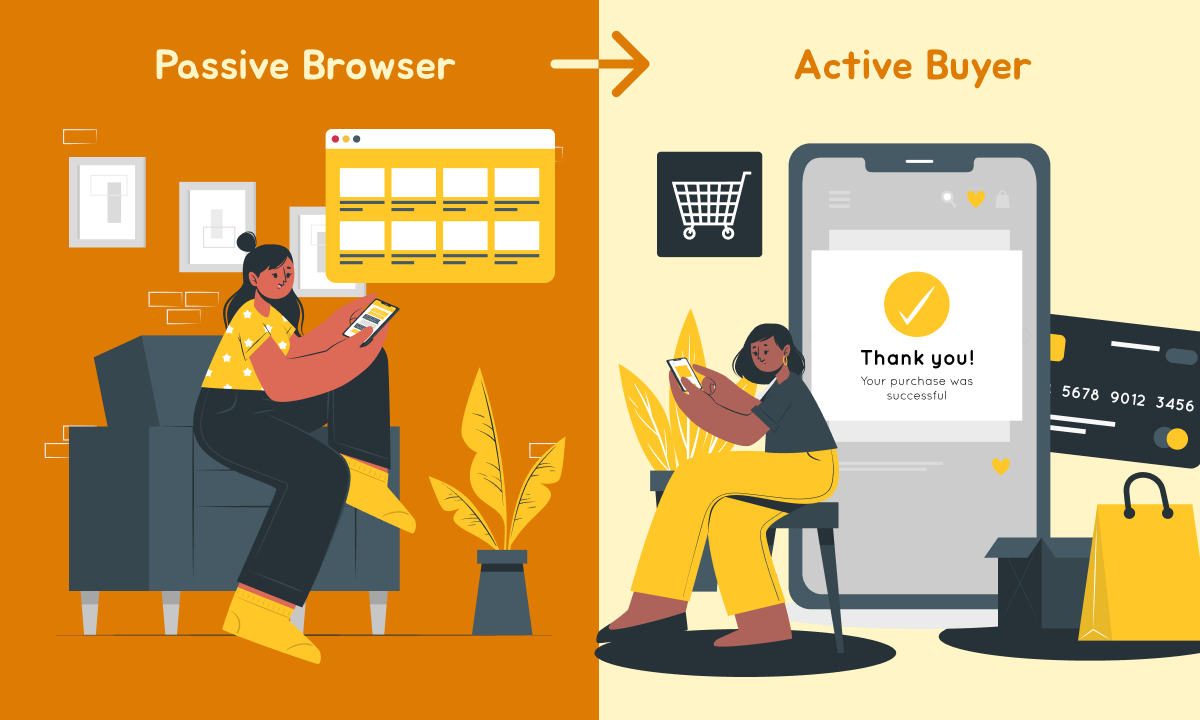
Lead Generation Alchemy: Turning Passive Browsers into Active Buyers with One Simple Shift
 Gaurav Uttamchandani,
2 years ago
6 min read
Gaurav Uttamchandani,
2 years ago
6 min read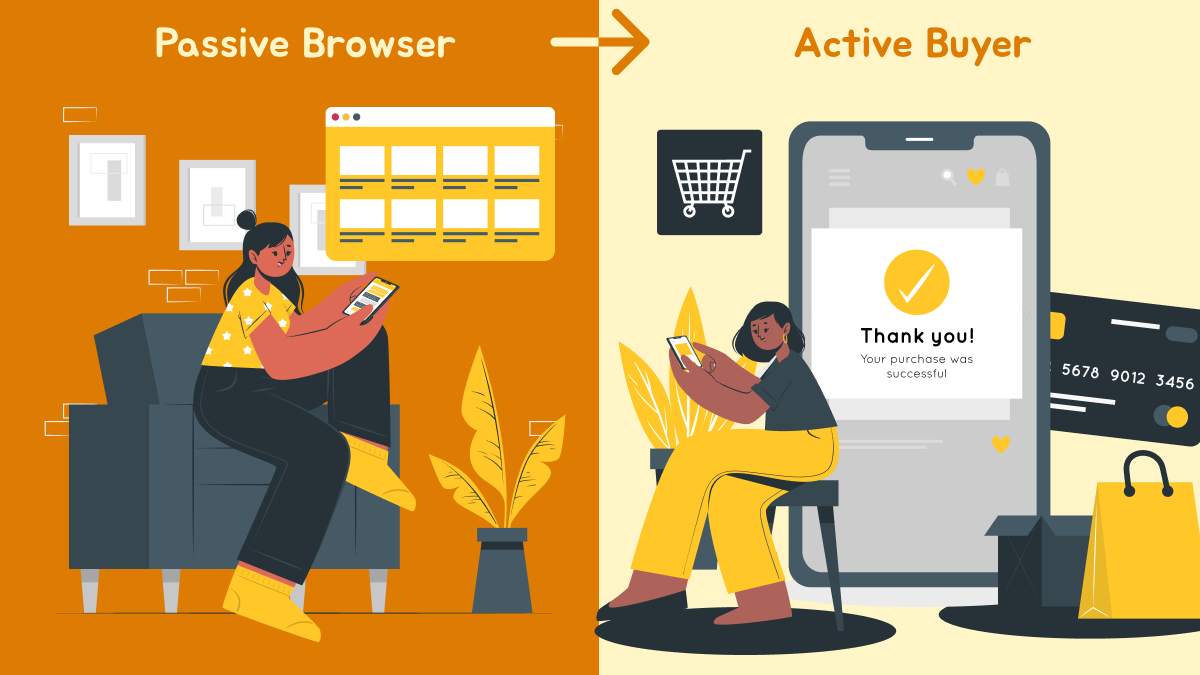
Table of Contents
Introduction
Lead generation is evolving. In an age where attention spans are fleeting, and consumers are bombarded with countless marketing messages daily, businesses must refine their strategies to stay ahead. Yet, despite advanced technology and sophisticated automation, many brands still struggle with the fundamental challenge—turning passive browsers into active buyers.
The good news? A simple yet underused tactic can significantly impact lead conversion: intent-based triggers. Instead of casting a wide net, businesses can leverage intent signals to engage potential buyers at the precise moment they express interest. In this blog, we’ll explore how intent-based triggers can revolutionize lead generation, backed by industry data and practical steps to implement this shift effectively.
The Problem: Why Traditional Lead Generation Falls Short
Most lead generation efforts rely on two main approaches:
- Volume-based targeting – Businesses attempt to generate as many leads as possible, hoping a fraction will convert.
- Time-based automation – Prospects receive scheduled emails, messages, or ads regardless of their immediate needs or interest levels.Tools like Ontraport and Salesforce Pardotare commonly used to create automated drip campaigns and scheduled follow-ups that keep leads engaged over time.
While these methods generate some success, they often overlook a crucial factor: buyer intent. According to WhitepapersOnline, only 25% of B2B leads are ready to make a purchase when they first engage with a brand. The remaining 75% require nurturing—but, more importantly, they need to be approached at the right time with the right message.
The Solution: The Power of Intent-Based Triggers
Intent-based triggers rely on behavioral data to determine a prospect’s likelihood to convert. Instead of passively waiting for a lead to engage, businesses can proactively reach out at the moment of peak interest.
How Intent-Based Triggers Work
- Tracking User Behavior – Companies collect first-party and third-party data, including page visits, time spent on specific content, and engagement with emails.
- Identifying Key Signals – Actions like downloading a whitepaper, revisiting pricing pages, or clicking on product demos indicate readiness.
- Automating Real-Time Engagement – AI-powered tools trigger personalized responses based on a prospect’s intent signals.
This method ensures that marketing and sales teams are not just reactive but predictive, positioning themselves in front of leads when they are most likely to convert.
The Data: Why Intent-Based Triggers Work
Several studies highlight the effectiveness of intent-driven lead generation:
- According to ToolsMetric, companies leveraging intent-based marketing see a 30% increase in conversion rates compared to traditional outreach.
- Whitepapers Online reports that businesses using AI-driven intent signals experience a 40% reduction in sales cycle length, as prospects are already primed for purchase.
- Research from Gartner suggests that over 70% of B2B buyers conduct independent research before engaging with sales—indicating the need to capture intent earlier in the buyer’s journey.
The numbers speak for themselves: intent-driven marketing isn’t just a trend—it’s the future of lead generation.
Implementing Intent-Based Triggers: A Step-by-Step Guide
To transform your lead generation strategy, follow these steps:
Step 1: Define Intent Signals
- Identify key actions that indicate strong purchase intent. Examples include:
- Multiple visits to high-value pages (e.g., pricing, product demo)
- Downloading gated content (e.g., case studies, whitepapers)
- Engaging with chatbot conversations about solutions
- Returning visitors who spend significant time on the site
Step 2: Leverage the Right Technology
- Use marketing automation tools that support intent tracking, such as HubSpot, Marketo, or 6sense.
- Implement AI-driven chatbots that engage with visitors showing strong buying signals.
- Utilize data platforms like Bombora to access third-party intent signals.
Step 3: Segment & Score Leads Based on Intent
- Develop an intent scoring system, assigning different weights to various actions (e.g., a demo request = high intent, whitepaper download = medium intent).
- Categorize leads into hot (ready to buy), warm (needs nurturing), and cold (early-stage) segments.
Step 4: Automate Timely Engagement
- Deploy real-time personalized outreach when a prospect meets intent thresholds.
- Examples of automation:
- An email sequence triggering when a visitor returns to the pricing page twice in 48 hours.
- A LinkedIn ad appearing to users who viewed a product demo but didn’t convert.
- A sales call prompt when a high-intent lead engages with a chatbot.
Step 5: Measure, Optimize, and Scale
- Track metrics like conversion rates, engagement duration, and sales cycle length.
- A/B test different triggers and messaging to identify what resonates best.
- Continuously refine intent signals based on data insights.
Real-World Example: iTMunch’s Success with Intent-Based Lead Generation
As a pioneer in data-driven marketing, iTMunch successfully leveraged intent-based triggers to enhance its lead conversion strategy. By integrating real-time behavioral tracking, they achieved:
- A 35% increase in MQL-to-SQL conversion rates.
- A 20% faster sales cycle through predictive lead scoring.
- A 50% reduction in unqualified leads, ensuring sales teams focused on high-value prospects.
Their success showcases that with the right approach, even small shifts in targeting strategy can yield massive improvements in lead generation outcomes.
Final Thoughts: The Future of Lead Generation is Intent-Driven
The days of broad, untargeted lead generation are fading. To stay competitive, businesses must embrace intent-based triggers to ensure every interaction is timely, relevant, and data-driven. By shifting from a passive to a proactive approach, companies can dramatically increase conversions, shorten sales cycles, and build stronger customer relationships.
Are you ready to revolutionize your lead generation strategy? Start leveraging intent-based triggers today and watch your passive browsers turn into active buyers.
Traditional lead generation relies on volume and automation but often fails to convert passive browsers into active buyers. The missing link? Intent-based triggers—leveraging real-time behavioral data to engage prospects exactly when they show buying intent.
Why Traditional Methods Fall Short – Generic outreach ignores buyer readiness, leading to wasted effort and lower conversions.
How Intent-Based Triggers Work – Track user actions (e.g., multiple site visits, content downloads, chatbot interactions) to gauge intent.
The Results Speak for Themselves – Companies using intent-driven strategies see up to 30% higher conversion rates and 40% shorter sales cycles.
Implementation Made Simple – Define intent signals, use AI-driven tools, segment leads by engagement levels, and automate timely outreach.
Real-World Success – iTMunch boosted MQL-to-SQL conversion by 35% and reduced unqualified leads by 50% with this strategy.
The takeaway? Lead generation isn’t just about reaching prospects—it’s about reaching them at the right moment. Shift from passive to proactive marketing, and turn interest into action effortlessly.
Ready to turn your website into a lead-gen engine?
Discover how one powerful shift can transform passive visitors into qualified buyers.
Get Started with Our Lead Generation Services
You May Also Like: What is Lead Generation?