Table of Contents
Introduction
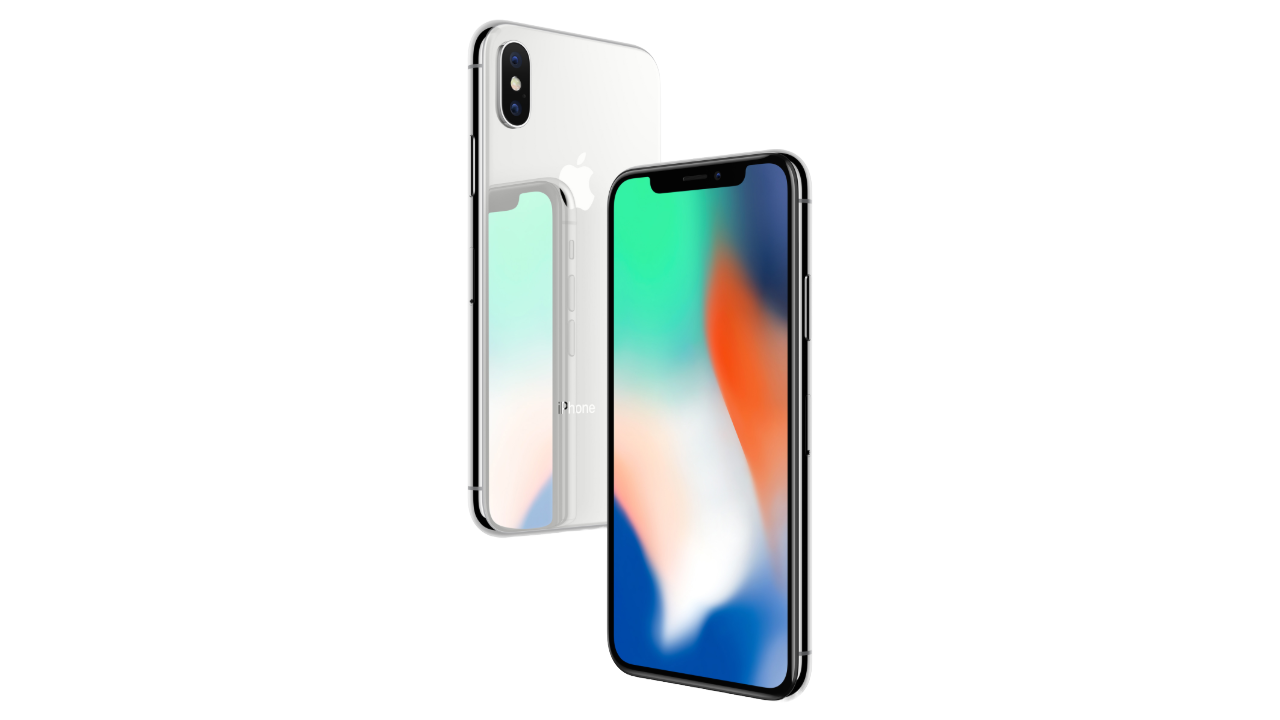
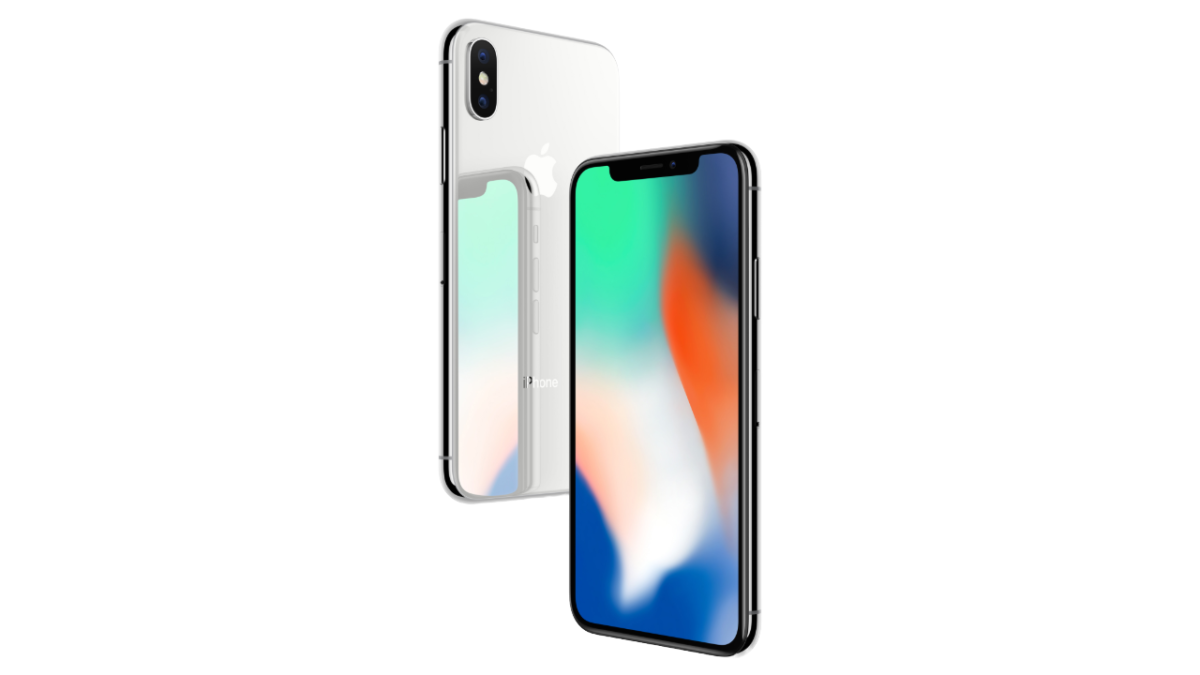
When Apple unveiled the iPhone X in September 2017, it was more than just another smartphone release—it was a groundbreaking moment that redefined the industry. With a bold new design, cutting-edge technology, and innovative features, the iPhone X set new standards for what smartphones could be. This article explores how the iPhone X transformed the mobile landscape and why its impact is still felt today.
A Bold New Design That Redefined Smartphones
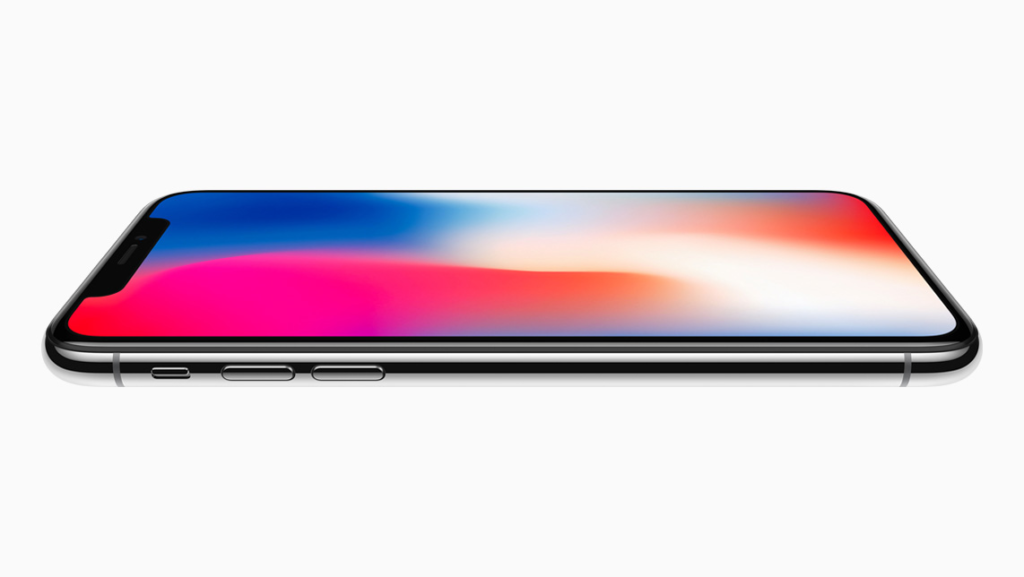
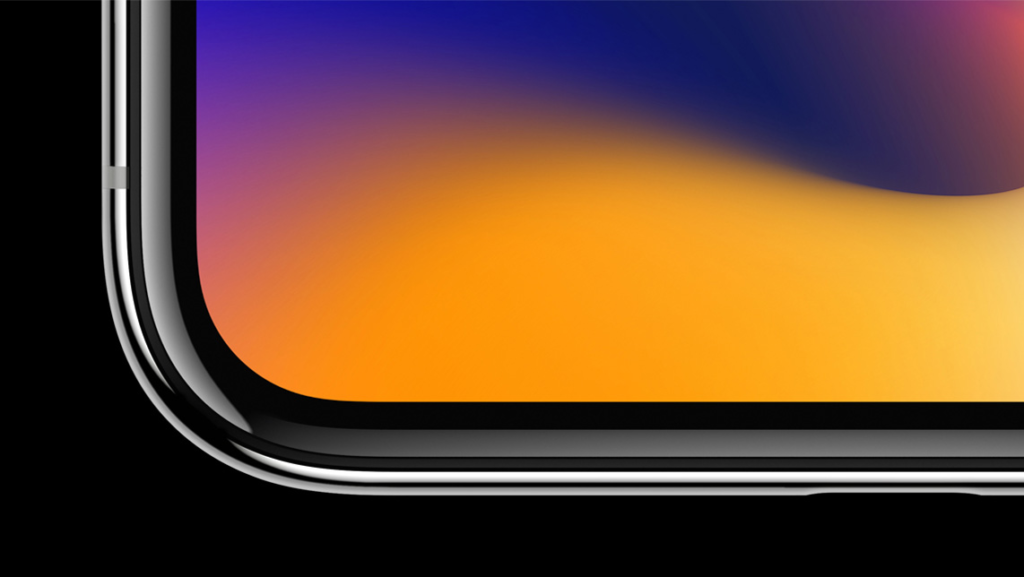
The iPhone X introduced a radical shift in smartphone design. Apple eliminated the traditional home button, replacing it with an edge-to-edge Super Retina OLED display. This nearly bezel-less 5.8-inch screen offered vibrant colors, deep blacks, and an immersive experience that became the new standard in flagship smartphones. This design change paved the way for other manufacturers to prioritize full-screen displays, leading to the widespread adoption of notch designs and hole-punch cameras in later devices.
Face ID: A Game-Changer in Security

With the removal of the home button, Apple introduced Face ID, a revolutionary facial recognition system. Powered by the TrueDepth camera and neural engine, Face ID allowed users to unlock their devices securely and make payments with just a glance. Unlike previous facial recognition technologies, Face ID utilized 3D facial mapping, making it significantly more secure than 2D recognition methods. This advancement led to the decline of fingerprint sensors on flagship devices and set the foundation for future biometric security systems.
The Power of the A11 Bionic Chip
The iPhone X was equipped with Apple’s A11 Bionic chip, a groundbreaking processor that introduced machine learning capabilities. With its six-core architecture and neural engine, the A11 Bionic enabled features like real-time facial recognition, advanced augmented reality (AR), and enhanced performance for gaming and AI-driven applications. This chipset not only ensured smoother performance but also played a pivotal role in advancing AI-driven smartphone functionalities, influencing future chipsets from Apple and competitors.
Dual-Camera System & Computational Photography
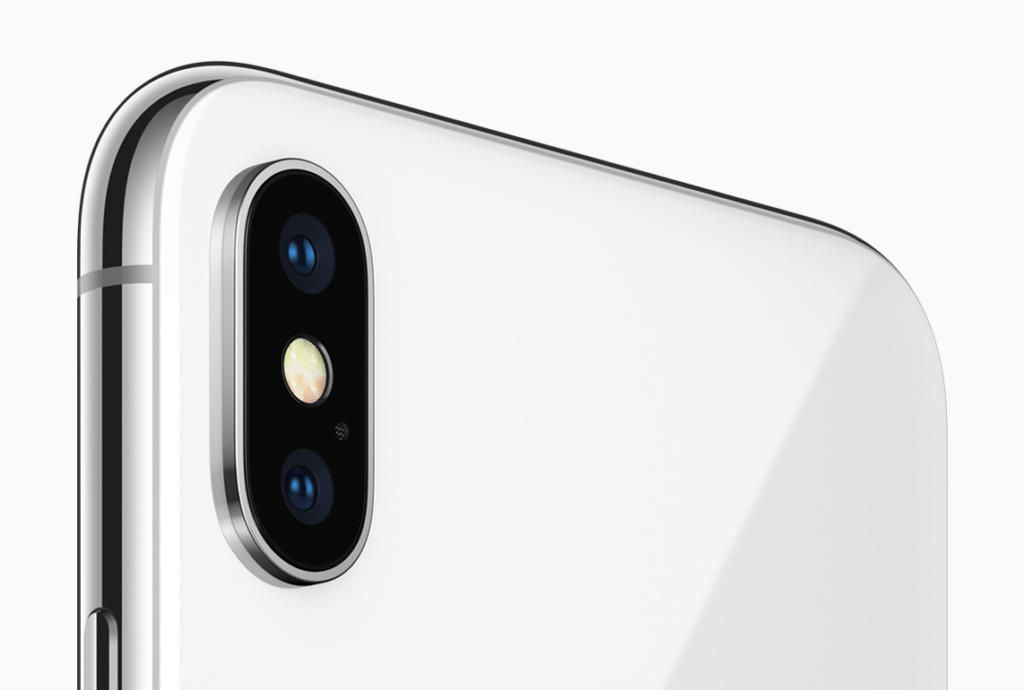
Apple significantly improved smartphone photography with the dual-camera system on the iPhone X. Featuring a 12MP wide and telephoto lens, optical image stabilization, and Portrait Mode with Portrait Lighting, the device allowed users to take studio-quality photos effortlessly.
The introduction of computational photography and Smart HDR revolutionized how smartphones processed images, producing better dynamic range, low-light performance, and sharper details. Competing smartphone brands quickly followed suit, emphasizing AI-driven camera enhancements to match Apple’s industry-leading technology.
Gesture-Based Navigation: A New Era in UI
One of the most significant software innovations of the iPhone X was the introduction of gesture-based navigation. With no physical home button, Apple pioneered a new user interface where swipes replaced traditional buttons. Users could swipe up to go home, swipe left or right to switch between apps, and swipe down for notifications. This change influenced Android’s gesture-based controls, which were later implemented in Google’s stock Android UI and various OEM skins.
Wireless Charging and Glass Back Design
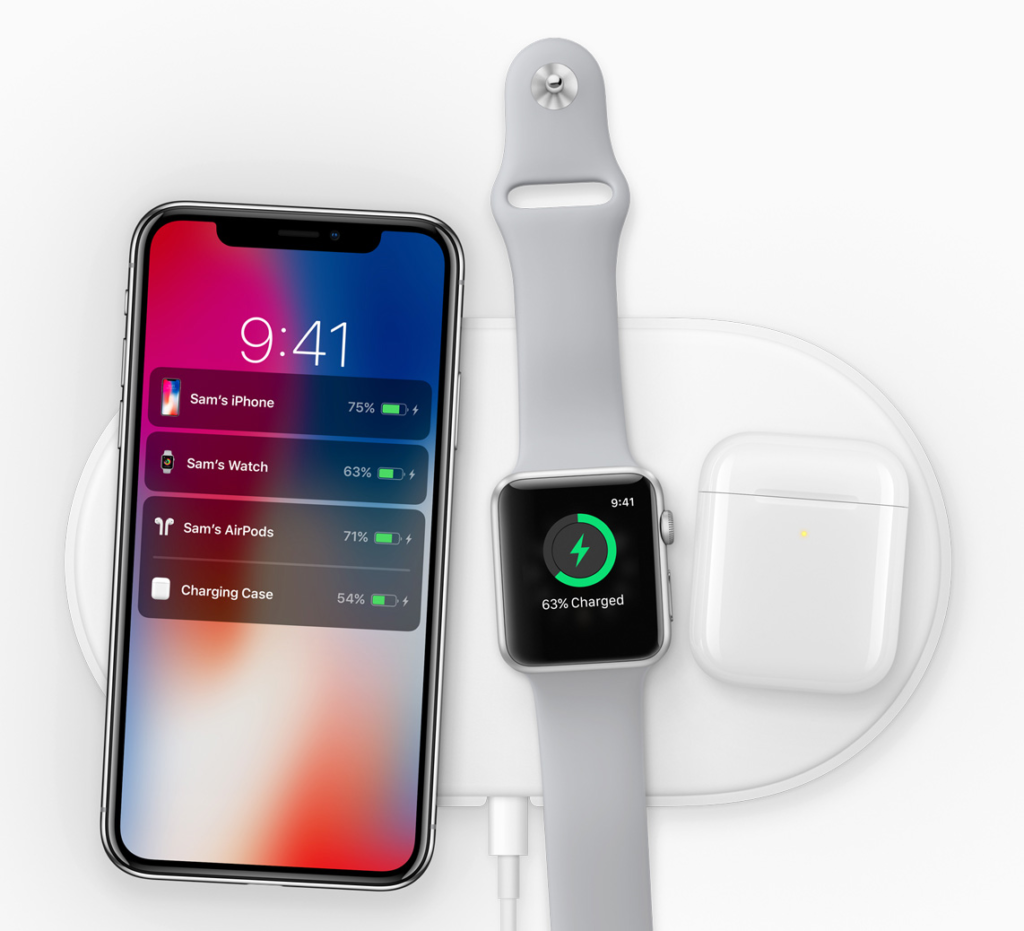
The iPhone X was the first Apple device to introduce wireless charging, thanks to its glass back design. Apple adopted the Qi wireless charging standard, allowing users to charge their devices without cables. This move accelerated the adoption of wireless charging technology across the industry, making it a common feature in premium and mid-range smartphones.
A New Pricing Strategy for Premium Devices
The iPhone X marked Apple’s first smartphone to start at $999, a pricing move that reshaped the market for high-end devices. While some were skeptical about the high price, the iPhone X proved that consumers were willing to pay a premium for cutting-edge innovation. Soon, other manufacturers, including Samsung, Google, and OnePlus, adopted similar pricing strategies for their flagship devices, further cementing the premium smartphone segment.
The Lasting Legacy of the iPhone X
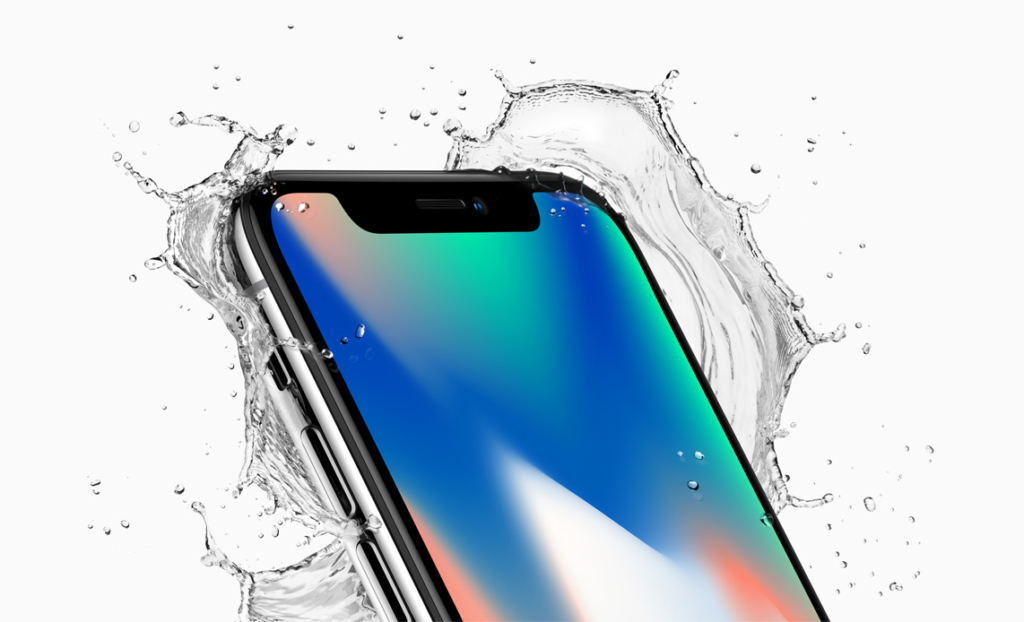
More than six years after its launch, the influence of the iPhone X is still evident in modern smartphones. Key trends that originated with the iPhone X, such as edge-to-edge OLED displays, facial recognition, computational photography, gesture-based navigation, and premium pricing strategies, have become standard in flagship devices across brands.
Apple’s vision for the future of smartphones, as introduced with the iPhone X, set a benchmark that continues to shape the devices we use today. Its impact goes beyond just design and features—it reshaped how users interact with their phones, how manufacturers innovate, and how the industry perceives premium smartphones.
Conclusion
The iPhone X was a transformative moment in the evolution of smartphones, blending bold design, innovative features, and cutting-edge technology into a single device. Its edge-to-edge display, Face ID, powerful A11 Bionic chip, and advancements in photography set a new standard for what smartphones could achieve. The introduction of gesture-based navigation, wireless charging, and a new pricing strategy redefined the mobile experience and influenced the entire industry. As we look back, the iPhone X’s legacy remains undeniable, with its innovations still shaping the design, functionality, and expectations of modern smartphones. It wasn’t just a new phone—it was the beginning of a new era, one that continues to define the smartphone landscape today.
For more details on the original iPhone X launch, visit Apple’s newsroom.
You May Also Like: iPhone 14 Pro Review (2025): Is It Still Worth Buying?